
活動訊息EXHIBITION AND EVENT INFORMATION
-
 MORE
MORE -
 MORE
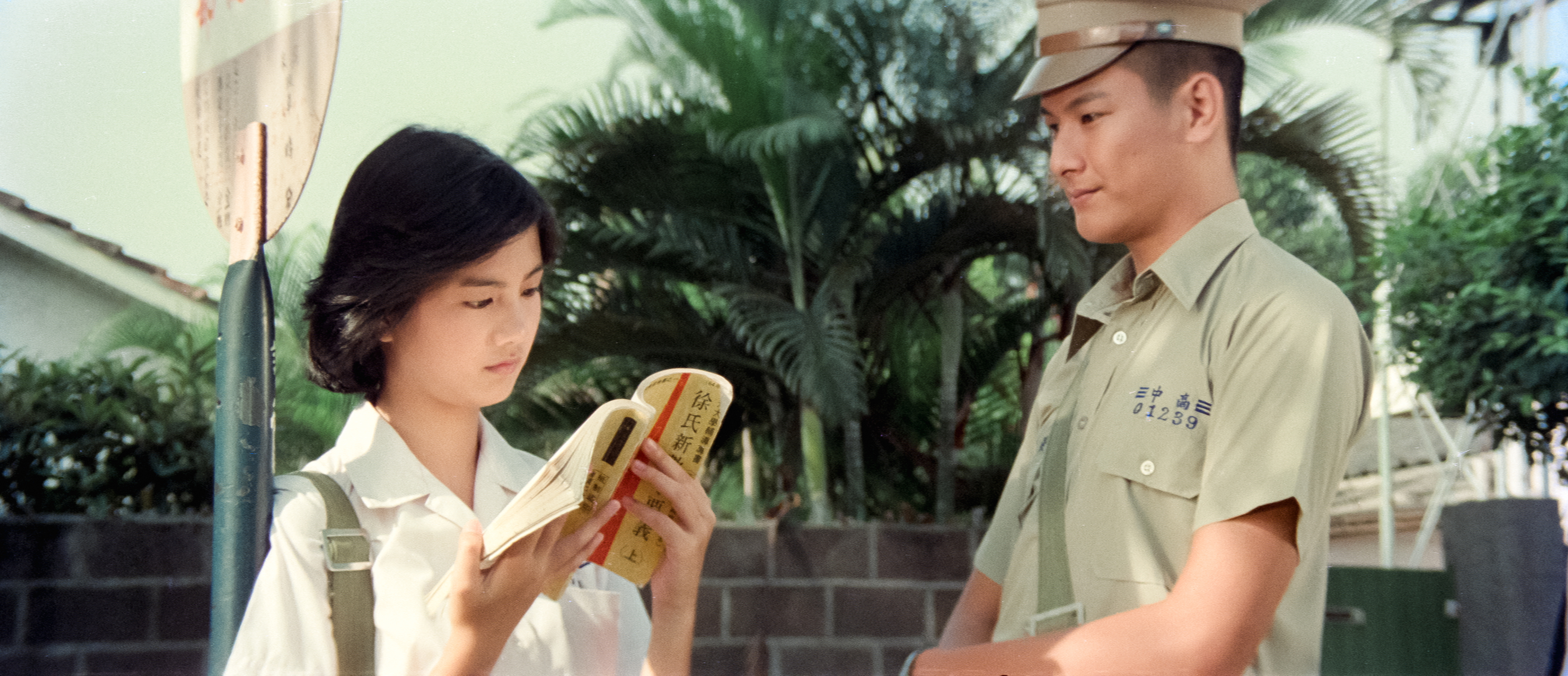
MOREHailed as the Taiwanese version of The Catcher in the Rye, the digitally restored The Fellow Who Rejected College returns to the big screen!
Directed by TCHII Ching-long (also known as HSU Chin-liang), The Fellow Who Rejected College is a Taiwanese teen movie made in 1979. Yesterday (August 20), the 2K digitally restored version of the film held its world premiere at the Golden Village VivoCity in Singapore. Restored by Taiwan Film and Audiovisual Institute (TFAI), the film was screened in the luxury 602-seat cinema and director HSU Chin-liang, the Representative of Taipei Representative Office in Singapore Dr. TUNG Chen-yuan, TFAI Chairman Arthur CHU, and TFAI Executive Director DU Li-chin were among the guests. The Fellow Who Rejected College not only directly points out the conflicts between the education system and the social values but portrays how teenagers struggle while growing up. When the film was released back then, it received such critical acclaim that it was selected as one of the ten best Chinese-language films of 1980 and hailed as the Taiwanese version of The Catcher in the Rye. ➤ The digitally restored The Fellow Who Rejected College held its world premiere in Singapore. From left to right: Representative of Taipei Representative Office in Singapore Dr. TUNG Chen-yuan, TFAI Chairman Arthur CHU, director HSU Chin-liang, and Singapore Film Society Chairman Kenneth TAN (courtesy of Singapore Film Society) Co-organized by Singapore Film Society and TFAI, it was the first screening shown to an international audience after the film was digitally restored. Last night, nearly 500 audiences attended the premiere, immersing themselves in the atmosphere of nostalgia created by the giant 22.5-meter screen in the luxury cinema. Based on the 1975 autobiographical novel The Boy Who Refused to Take the Joint Entrance Exams by Wu Hsiang-hui, the screen adaptation follows a high school student of the same name who struggles to break free from the rigid education system while under intense academic pressure. The story touched the hearts of the students suffering from the joint entrance exam in Taiwan and sold more than half a million copies, resonating with countless readers. In 1979, director HSU Chin-liang worked with screenwriters WU Nien-jen and KU Ya-jung and made it into a film. It was shot in Taipei on location and extended the influence of the novel. Moreover, director HSU daringly cast new actors, WANG Fu-shih and PENG Hsueh-fen, who rose to fame as a result. The film had such distinctive characters, including the realistic style and the reflection on the system that it became the most rebellious representative of the youth cinema at that time and set a new trend of films about students in Taiwan. ➤ Kenneth TAN is the key figure in the world premiere of the digitally restored The Fellow Who Rejected College, who saw the film 43 times in the theater back then (courtesy of Singapore Film Society) The original negative of The Fellow Who Rejected College was saved from a closing laboratory. In 2025, TFAI team launched the 2K restoration project, made possible thanks to Mrs. PENG Hsueh-fen, the female lead of the film. Her generous support has greatly contributed to TFAI's mission of preserving, digitally restoring, and promoting classic films, bringing old films back to life! The interesting thing is that the key figure in making this world premiere happen is Kenneth TAN, the Chairman of Singapore Film Society, who saw the film 43 times in the theater when it was initially released. Calling himself a “staunch fan” of the film, TAN was getting very emotional at the premiere since his beloved film was brought back to the big screen thanks to a string of chances. He remembered that he was going to take his GCE O-Levels in the following year and this film influenced the direction he headed in later in his life. Chairman TAN expressed, “If you could see only one film in your life, you definitely shouldn’t miss The Fellow Who Rejected College.” ➤ Fans taking a selfie with HSU Chin-liang, the director of The Fellow Who Rejected College (second from the right) (courtesy of Singapore Film Society) TFAI Chairman Arthur CHU said, “Last year, I heard the moving story of Chairman TAN that this film was such an inspiration for him that he ended up devoting himself to the film industry. Therefore, I feel it’s particularly meaningful that we have restored it. For years, the print had been well preserved at TFAI and with the support from the Ministry of Culture, we began digitally restoring the film. We believe that what has been restored is not only the film but the soul of an era. In the film, we see people using rotary dial phones, the hero and the heroine writing letters to each other, calling from payphones, the popular campus folk songs, and the pressure of getting admitted into a university; all these things allow the audiences to feel the changes of time and nostalgia. The Fellow Who Rejected College is the 99th film that TFAI restored and the first that gets theatrically released outside Taiwan immediately after the restoration.” ➤ The Fellow Who Rejected College touched the hearts of the students suffering from the joint entrance exam, resonating with countless audiences After its world premiere, the digitally restored version of The Fellow Who Rejected College will return to the cinemas in Singapore in September. Dr. TUNG Chen-yuan, the Representative of Taipei Representative Office in Singapore, attended the premiere since this theatrical release of a Taiwanese classic film, a joint effort between Taiwan and Singapore, is highly important. The film will be shown on 17 screens in premium slots in eight movie theaters for a year, and we believe it will trigger passionate debate among students. Meanwhile, the film continues its international film festival run, and the next stop is the 21th Osaka Asian Film Festival, at which two special screenings are scheduled on September 1 and 3. We expect more audiences to get to see this Taiwanese teen movie that marked a significant milestone in the history of Taiwan cinema. ➤ The digitally restored The Fellow Who Rejected College will be theatrically released in Singapore from September onwards (courtesy of Singapore Film Society) -
 MORE
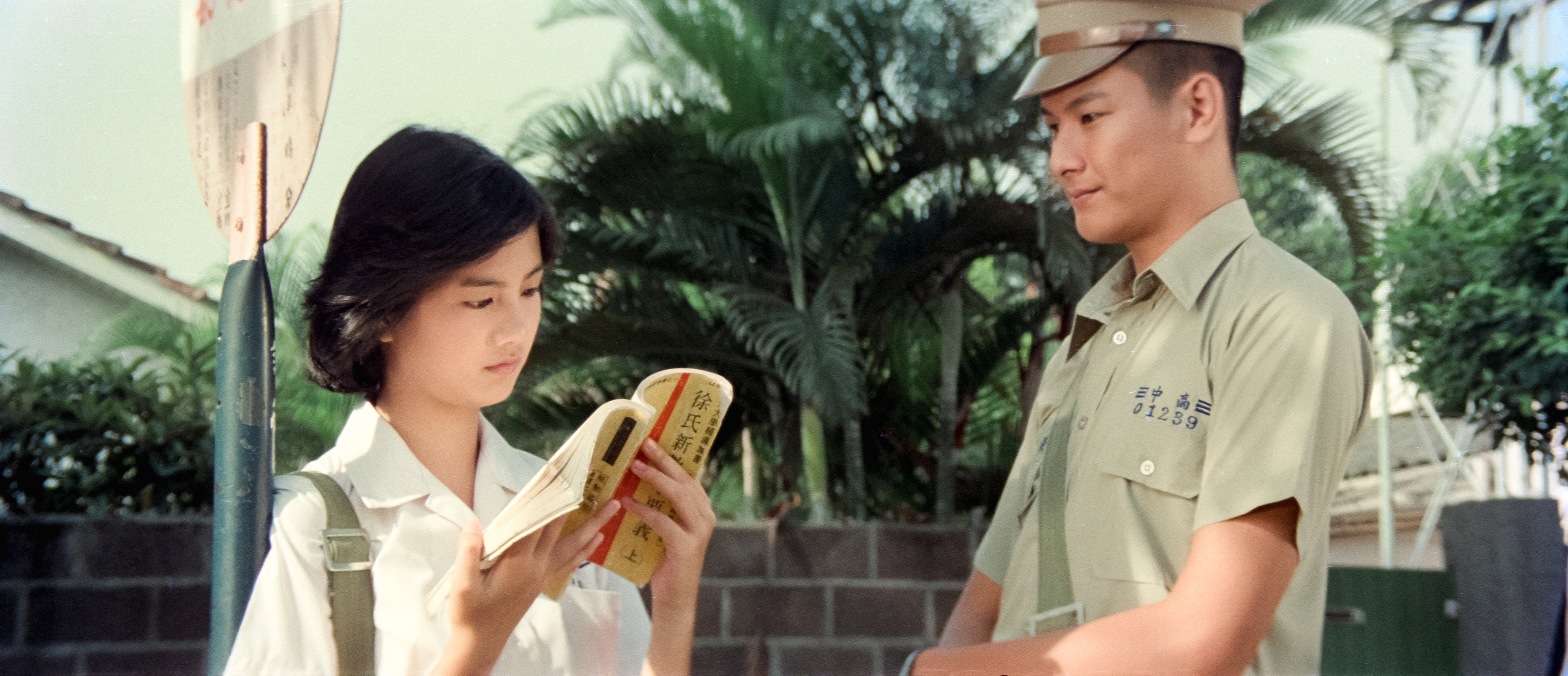
MOREHailed as the Taiwanese version of The Catcher in the Rye, the digitally restored The Fellow Who Rejected College returns to the big screen!
Directed by TCHII Ching-long (also known as HSU Chin-liang), The Fellow Who Rejected College is a Taiwanese teen movie made in 1979. Yesterday (August 20), the 2K digitally restored version of the film held its world premiere at the Golden Village VivoCity in Singapore. Restored by Taiwan Film and Audiovisual Institute (TFAI), the film was screened in the luxury 602-seat cinema and director HSU Chin-liang, the Representative of Taipei Representative Office in Singapore Dr. TUNG Chen-yuan, TFAI Chairman Arthur CHU, and TFAI Executive Director DU Li-chin were among the guests. The Fellow Who Rejected College not only directly points out the conflicts between the education system and the social values but portrays how teenagers struggle while growing up. When the film was released back then, it received such critical acclaim that it was selected as one of the ten best Chinese-language films of 1980 and hailed as the Taiwanese version of The Catcher in the Rye. ➤ The digitally restored The Fellow Who Rejected College held its world premiere in Singapore. From left to right: Representative of Taipei Representative Office in Singapore Dr. TUNG Chen-yuan, TFAI Chairman Arthur CHU, director HSU Chin-liang, and Singapore Film Society Chairman Kenneth TAN (courtesy of Singapore Film Society) Co-organized by Singapore Film Society and TFAI, it was the first screening shown to an international audience after the film was digitally restored. Last night, nearly 500 audiences attended the premiere, immersing themselves in the atmosphere of nostalgia created by the giant 22.5-meter screen in the luxury cinema. Based on the 1975 autobiographical novel The Boy Who Refused to Take the Joint Entrance Exams by Wu Hsiang-hui, the screen adaptation follows a high school student of the same name who struggles to break free from the rigid education system while under intense academic pressure. The story touched the hearts of the students suffering from the joint entrance exam in Taiwan and sold more than half a million copies, resonating with countless readers. In 1979, director HSU Chin-liang worked with screenwriters WU Nien-jen and KU Ya-jung and made it into a film. It was shot in Taipei on location and extended the influence of the novel. Moreover, director HSU daringly cast new actors, WANG Fu-shih and PENG Hsueh-fen, who rose to fame as a result. The film had such distinctive characters, including the realistic style and the reflection on the system that it became the most rebellious representative of the youth cinema at that time and set a new trend of films about students in Taiwan. ➤ Kenneth TAN is the key figure in the world premiere of the digitally restored The Fellow Who Rejected College, who saw the film 43 times in the theater back then (courtesy of Singapore Film Society) The original negative of The Fellow Who Rejected College was saved from a closing laboratory. In 2025, TFAI team launched the 2K restoration project, made possible thanks to Mrs. PENG Hsueh-fen, the female lead of the film. Her generous support has greatly contributed to TFAI's mission of preserving, digitally restoring, and promoting classic films, bringing old films back to life! The interesting thing is that the key figure in making this world premiere happen is Kenneth TAN, the Chairman of Singapore Film Society, who saw the film 43 times in the theater when it was initially released. Calling himself a “staunch fan” of the film, TAN was getting very emotional at the premiere since his beloved film was brought back to the big screen thanks to a string of chances. He remembered that he was going to take his GCE O-Levels in the following year and this film influenced the direction he headed in later in his life. Chairman TAN expressed, “If you could see only one film in your life, you definitely shouldn’t miss The Fellow Who Rejected College.” ➤ Fans taking a selfie with HSU Chin-liang, the director of The Fellow Who Rejected College (second from the right) (courtesy of Singapore Film Society) TFAI Chairman Arthur CHU said, “Last year, I heard the moving story of Chairman TAN that this film was such an inspiration for him that he ended up devoting himself to the film industry. Therefore, I feel it’s particularly meaningful that we have restored it. For years, the print had been well preserved at TFAI and with the support from the Ministry of Culture, we began digitally restoring the film. We believe that what has been restored is not only the film but the soul of an era. In the film, we see people using rotary dial phones, the hero and the heroine writing letters to each other, calling from payphones, the popular campus folk songs, and the pressure of getting admitted into a university; all these things allow the audiences to feel the changes of time and nostalgia. The Fellow Who Rejected College is the 99th film that TFAI restored and the first that gets theatrically released outside Taiwan immediately after the restoration.” ➤ The Fellow Who Rejected College touched the hearts of the students suffering from the joint entrance exam, resonating with countless audiences After its world premiere, the digitally restored version of The Fellow Who Rejected College will return to the cinemas in Singapore in September. Dr. TUNG Chen-yuan, the Representative of Taipei Representative Office in Singapore, attended the premiere since this theatrical release of a Taiwanese classic film, a joint effort between Taiwan and Singapore, is highly important. The film will be shown on 17 screens in premium slots in eight movie theaters for a year, and we believe it will trigger passionate debate among students. Meanwhile, the film continues its international film festival run, and the next stop is the 21th Osaka Asian Film Festival, at which two special screenings are scheduled on September 1 and 3. We expect more audiences to get to see this Taiwanese teen movie that marked a significant milestone in the history of Taiwan cinema. ➤ The digitally restored The Fellow Who Rejected College will be theatrically released in Singapore from September onwards (courtesy of Singapore Film Society) -
 MORE
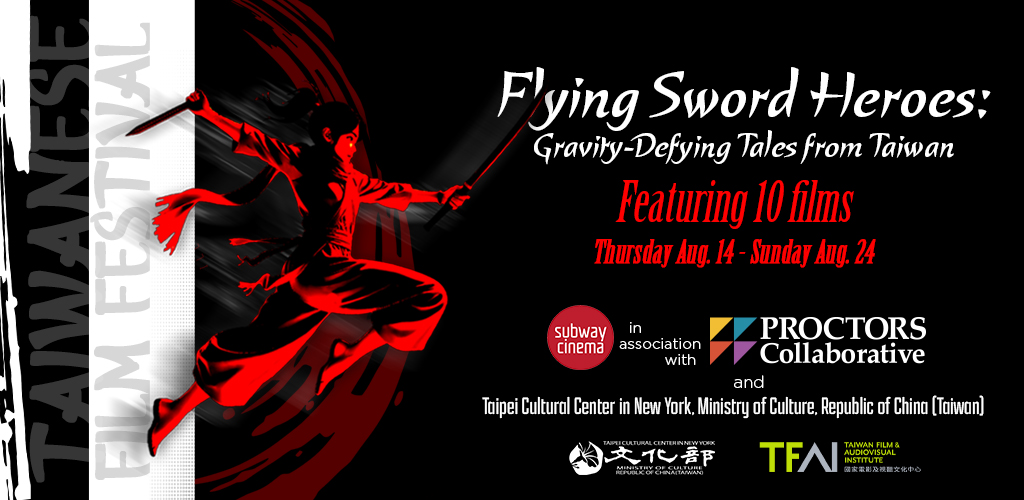
MOREFlying Sword Heroes: Gravity-Defying Tales from Taiwan 10 Legendary Wuxia Classics Arrive in Upstate New York This August
A spectacular celebration of Taiwanese wuxia cinema is set to ignite the screen in upstate New York this summer. Co-presented by Subway Cinema and the Taipei Cultural Center in New York, Flying Sword Heroes: Gravity-Defying Tales from Taiwan runs from August 14 to 24, 2025, at the iconic Proctors Theatre in Schenectady, New York. Featuring ten extraordinary films either made or produced in Taiwan, this event marks the most extensive retrospective of Taiwanese wuxia ever presented outside of any major U.S. city. The festival opens with The Assassin (2015), Hou Hsiao-hsien’s poetic and visually sumptuous take on a Tang Dynasty legend, starring Shu Qi in a haunting tale of loyalty, conflict, and suppressed emotion. Spanning five decades, the lineup explores the evolution of martial arts cinema—from the groundbreaking cinematic language of King Hu to stylish modern interpretations by directors like John Woo. King Hu’s timeless masterpieces are cornerstones of this retrospective. Dragon Inn (1967), a thrilling tale of subterfuge in a desert inn, is celebrated for redefining action choreography. A Touch of Zen (1971), winner of the Cannes Technical Grand Prize, elevates the wuxia genre with spiritual undertones and philosophical depth, its “bamboo forest battle” remains a touchstone of martial arts cinema. The Fate of Lee Khan (1973), a rare female-led ensemble film, features legendary actresses Hsu Feng and Li Li-hua in a tense, cloak-and-dagger drama. And The Valiant Ones (1975) dramatizes the Ming resistance against Japanese pirates through an elegant chessboard-like strategy of storytelling and action. Hou Hsiao-hsien’s The Assassin (2015), which earned Best Director at Cannes, reimagines the martial arts genre as an exercise in restraint and atmosphere. Shu Qi delivers a layered performance as Nie Yinniang, a deadly assassin torn between duty and heart. The film’s meditative pacing and painterly visuals reveal the depth and beauty of internal struggle. Among the modern highlights is Reign of Assassins (2010), directed by Su Chao-pin and produced by John Woo. A sleek, contemporary wuxia thriller, it fuses romance, intrigue, and jaw-dropping swordplay. A breakout at the New York Asian Film Festival, it introduced contemporary wuxia to new Western audiences with overwhelming success. Other hidden gems include The Swordsman of All Swordsmen (1968), a digitally restored cult classic by Joseph Kuo, which epitomizes the lone swordsman archetype in Taiwanese-language cinema; A City Called Dragon (1970), a spy thriller cloaked in period wuxia; and The Ghost Hill (1971), a supernatural-inflected martial epic. The Grand Passion (1970) rounds out the series with operatic grandeur and rare visual flair. Three classics—A Touch of Zen, Dragon Inn, and The Swordsman of All Swordsmen—have been beautifully restored by the Taiwan Film and Audiovisual Institute (TFAI). In addition, four titles—A City Called Dragon, The Ghost Hill, The Grand Passion, and The Swordsman of All Swordsmen—are officially authorized by TFAI. That means 60% of the lineup is directly tied to TFAI, reflecting its vital work in preserving and championing Taiwan’s wuxia legacy. Curated by Subway Cinema and inspired by the Wuxia Genre in Taiwan: Film Series & Audiovisual Exhibition presented by the Taiwan Film and Audiovisual Institute, this program builds on the enthusiastic response to the 10th Old School Kung Fu Fest in 2022. It offers a sweeping journey through Taiwan’s martial arts cinema—from Mandarin and Taiwanese-language works of the 1960s to the genre’s modern-day reinvention—celebrating both thrilling spectacle and cultural resonance. Fifteen screenings will take place at Proctors Theatre, with special post-screening talks by Lin Ying-chih, Deputy Director of the Taiwan Film and Audiovisual Institute, on August 15 and 16. These in-depth discussions will explore the historical and artistic dimensions of Taiwan’s wuxia tradition. Located in the culturally vibrant city of Schenectady, Proctors Theatre is one of the premier performing arts venues in upstate New York, renowned for hosting Broadway tours and international programming. This marks the first large-scale showcase of Taiwanese wuxia cinema in the region—an unprecedented opportunity to share Taiwan’s cultural vitality with new audiences and foster appreciation of East Asian cinematic heritage. All screenings are free with registration. Seats are limited—reserve now!Festival info and ticket registration: https://www.atproctors.org/flying-sword-heroes-gravity-defying-tales-from-taiwan ━━━━━━━━━━━━━━━━━━━━━━━━━━━━ 【SCREENING SCHEDULE】 All screenings at Proctors Theatre (432 State Street, Schenectady, NY 12305) • The Assassin (2015) – Directed by: Hou Hsiao-hsien 7 p.m. Thu, Aug. 14 & Fri, Aug. 22• The Valiant Ones (1975) – Directed by: King Hu 2 p.m. Sat, Aug. 16• The Fate of Lee Khan (1973) – Directed by: King Hu 2 p.m. Sun, Aug. 17• A Touch of Zen (1971) – Directed by: King Hu 7 p.m. Fri, Aug. 15 & 2 p.m. Sun, Aug. 24• Dragon Inn (1967) – Directed by: King Hu 7 p.m. Sat, Aug. 16 & 2 p.m. Sat, Aug. 23• Reign of Assassins (2010) – Directed by: Su Chao-bin, John Woo 4:30 p.m. Sun, Aug. 17 & Sat, Aug. 23• The Swordsman of All Swordsmen (1968, digital restoration) – Directed by: Joseph Kuo 4:30 p.m. Sat, Aug. 16 & 7 p.m. Sat, Aug. 23• The Ghost Hill (1971) – Directed by: Ting Shan-hsi 7 p.m. Thu, Aug. 21• A City Called Dragon (1970) – Directed by: Larry Tu Chong-hsun 7 p.m. Tue, Aug. 19• The Grand Passion (1970) – Directed by: Yang Shih-ching 7 p.m. Wed, Aug. 20 -
 MORE
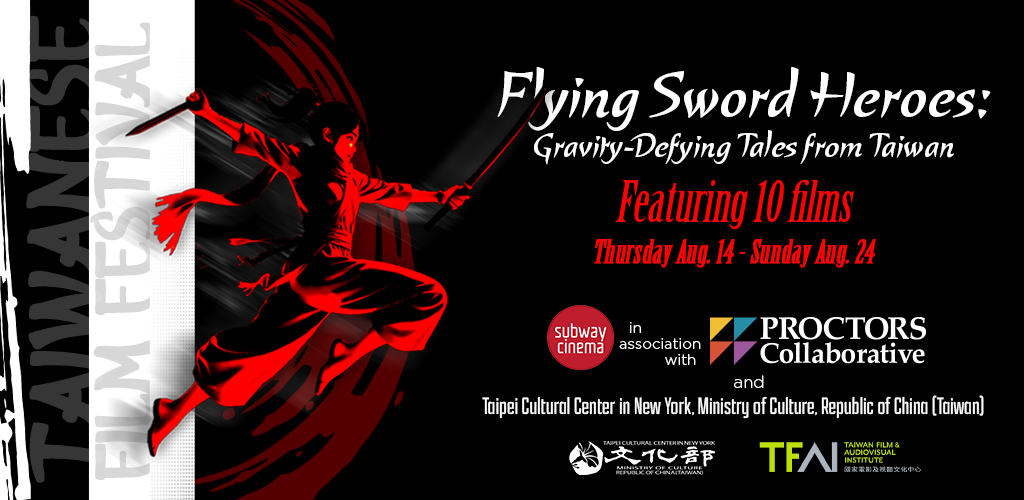
MOREFlying Sword Heroes: Gravity-Defying Tales from Taiwan 10 Legendary Wuxia Classics Arrive in Upstate New York This August
A spectacular celebration of Taiwanese wuxia cinema is set to ignite the screen in upstate New York this summer. Co-presented by Subway Cinema and the Taipei Cultural Center in New York, Flying Sword Heroes: Gravity-Defying Tales from Taiwan runs from August 14 to 24, 2025, at the iconic Proctors Theatre in Schenectady, New York. Featuring ten extraordinary films either made or produced in Taiwan, this event marks the most extensive retrospective of Taiwanese wuxia ever presented outside of any major U.S. city. The festival opens with The Assassin (2015), Hou Hsiao-hsien’s poetic and visually sumptuous take on a Tang Dynasty legend, starring Shu Qi in a haunting tale of loyalty, conflict, and suppressed emotion. Spanning five decades, the lineup explores the evolution of martial arts cinema—from the groundbreaking cinematic language of King Hu to stylish modern interpretations by directors like John Woo. King Hu’s timeless masterpieces are cornerstones of this retrospective. Dragon Inn (1967), a thrilling tale of subterfuge in a desert inn, is celebrated for redefining action choreography. A Touch of Zen (1971), winner of the Cannes Technical Grand Prize, elevates the wuxia genre with spiritual undertones and philosophical depth, its “bamboo forest battle” remains a touchstone of martial arts cinema. The Fate of Lee Khan (1973), a rare female-led ensemble film, features legendary actresses Hsu Feng and Li Li-hua in a tense, cloak-and-dagger drama. And The Valiant Ones (1975) dramatizes the Ming resistance against Japanese pirates through an elegant chessboard-like strategy of storytelling and action. Hou Hsiao-hsien’s The Assassin (2015), which earned Best Director at Cannes, reimagines the martial arts genre as an exercise in restraint and atmosphere. Shu Qi delivers a layered performance as Nie Yinniang, a deadly assassin torn between duty and heart. The film’s meditative pacing and painterly visuals reveal the depth and beauty of internal struggle. Among the modern highlights is Reign of Assassins (2010), directed by Su Chao-pin and produced by John Woo. A sleek, contemporary wuxia thriller, it fuses romance, intrigue, and jaw-dropping swordplay. A breakout at the New York Asian Film Festival, it introduced contemporary wuxia to new Western audiences with overwhelming success. Other hidden gems include The Swordsman of All Swordsmen (1968), a digitally restored cult classic by Joseph Kuo, which epitomizes the lone swordsman archetype in Taiwanese-language cinema; A City Called Dragon (1970), a spy thriller cloaked in period wuxia; and The Ghost Hill (1971), a supernatural-inflected martial epic. The Grand Passion (1970) rounds out the series with operatic grandeur and rare visual flair. Three classics—A Touch of Zen, Dragon Inn, and The Swordsman of All Swordsmen—have been beautifully restored by the Taiwan Film and Audiovisual Institute (TFAI). In addition, four titles—A City Called Dragon, The Ghost Hill, The Grand Passion, and The Swordsman of All Swordsmen—are officially authorized by TFAI. That means 60% of the lineup is directly tied to TFAI, reflecting its vital work in preserving and championing Taiwan’s wuxia legacy. Curated by Subway Cinema and inspired by the Wuxia Genre in Taiwan: Film Series & Audiovisual Exhibition presented by the Taiwan Film and Audiovisual Institute, this program builds on the enthusiastic response to the 10th Old School Kung Fu Fest in 2022. It offers a sweeping journey through Taiwan’s martial arts cinema—from Mandarin and Taiwanese-language works of the 1960s to the genre’s modern-day reinvention—celebrating both thrilling spectacle and cultural resonance. Fifteen screenings will take place at Proctors Theatre, with special post-screening talks by Lin Ying-chih, Deputy Director of the Taiwan Film and Audiovisual Institute, on August 15 and 16. These in-depth discussions will explore the historical and artistic dimensions of Taiwan’s wuxia tradition. Located in the culturally vibrant city of Schenectady, Proctors Theatre is one of the premier performing arts venues in upstate New York, renowned for hosting Broadway tours and international programming. This marks the first large-scale showcase of Taiwanese wuxia cinema in the region—an unprecedented opportunity to share Taiwan’s cultural vitality with new audiences and foster appreciation of East Asian cinematic heritage. All screenings are free with registration. Seats are limited—reserve now!Festival info and ticket registration: https://www.atproctors.org/flying-sword-heroes-gravity-defying-tales-from-taiwan ━━━━━━━━━━━━━━━━━━━━━━━━━━━━ 【SCREENING SCHEDULE】 All screenings at Proctors Theatre (432 State Street, Schenectady, NY 12305) • The Assassin (2015) – Directed by: Hou Hsiao-hsien 7 p.m. Thu, Aug. 14 & Fri, Aug. 22• The Valiant Ones (1975) – Directed by: King Hu 2 p.m. Sat, Aug. 16• The Fate of Lee Khan (1973) – Directed by: King Hu 2 p.m. Sun, Aug. 17• A Touch of Zen (1971) – Directed by: King Hu 7 p.m. Fri, Aug. 15 & 2 p.m. Sun, Aug. 24• Dragon Inn (1967) – Directed by: King Hu 7 p.m. Sat, Aug. 16 & 2 p.m. Sat, Aug. 23• Reign of Assassins (2010) – Directed by: Su Chao-bin, John Woo 4:30 p.m. Sun, Aug. 17 & Sat, Aug. 23• The Swordsman of All Swordsmen (1968, digital restoration) – Directed by: Joseph Kuo 4:30 p.m. Sat, Aug. 16 & 7 p.m. Sat, Aug. 23• The Ghost Hill (1971) – Directed by: Ting Shan-hsi 7 p.m. Thu, Aug. 21• A City Called Dragon (1970) – Directed by: Larry Tu Chong-hsun 7 p.m. Tue, Aug. 19• The Grand Passion (1970) – Directed by: Yang Shih-ching 7 p.m. Wed, Aug. 20