
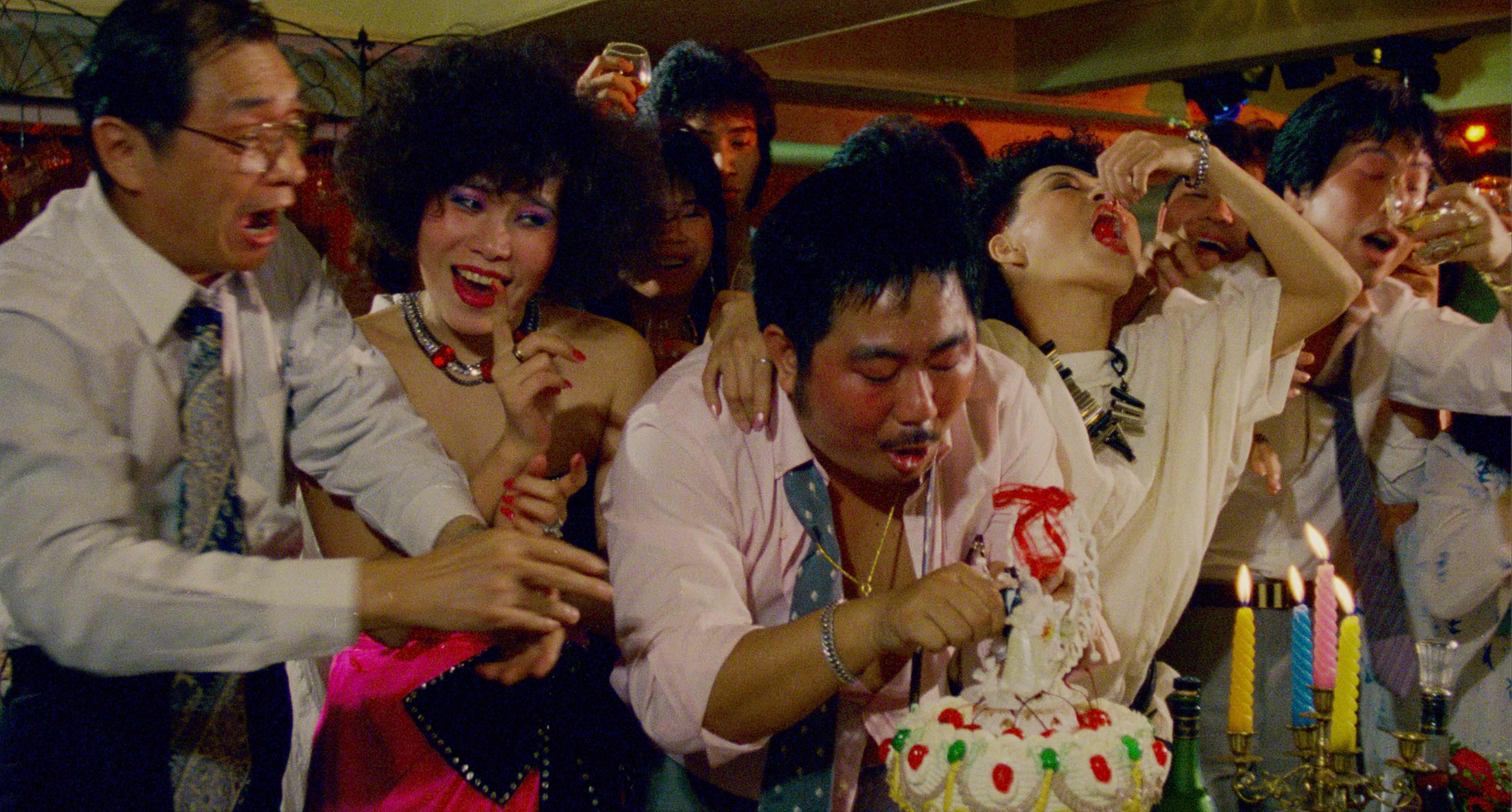
Nothing can stop the Taiwanese playing with puns, and it is true even in a film made four decades ago. Gorgeous (1985), the only Taiwanese film among the five selected for the Classics Revisited section, just had its world premiere at the Taipei Film Festival. As in the original novel, this screen adaptation is full of wordplay. The story follows a young man from a farming village in Southern Taiwan who looks for a job in an airline company; he not only has to quickly learn to survive the new workplace, but also deal with urban folks who blindly worship the West. To him, Taipei is not a city of glamor but absurdity.
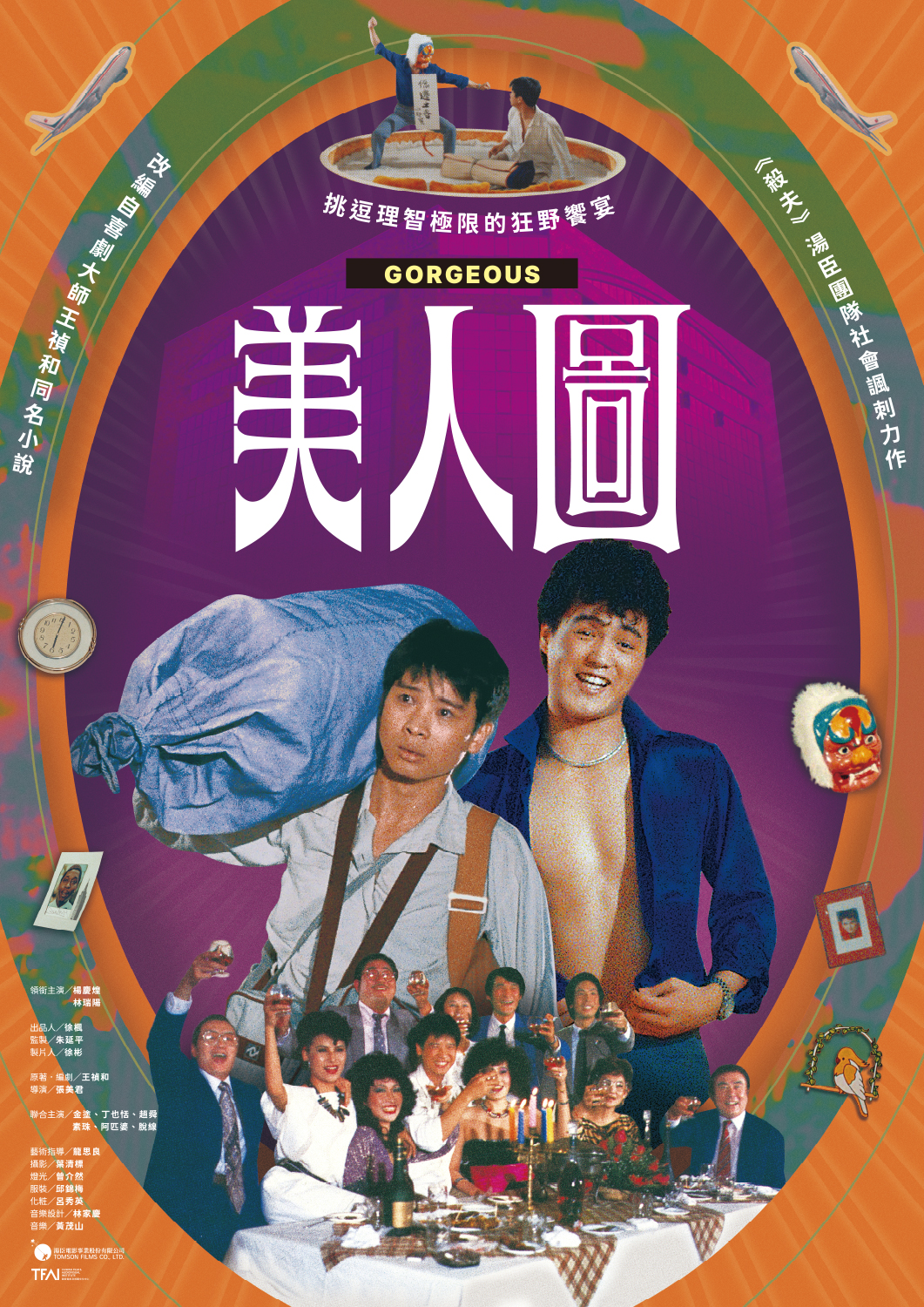
➤ Gorgeous (1985) holds its world premiere in the Classics Revisited section at Taipei Film Festival (Courtesy of TFAI)
This digitally restored version of Gorgeous, shown in the Classics Revisited section at the Taipei Film Festival, was completed by the Taiwan Film and Audiovisual Institute (TFAI). Arthur CHU, the chairman of TFAI, attended the world premiere and introduced the film to the audience before the screening: “When we talk about Taiwanese cinema, especially from an international perspective, we immediately think about the 'Taiwan New Cinema' movement. Yet in 1985, alongside acclaimed directors like HOU Hsiao-hsien and KO I-cheng, there was another group of filmmakers who, while not classified under the New Cinema banner, were equally committed to creating films that spoke directly to the audiences and sought success in the box office. Director CHANG Mei-chun’s Gorgeous stands as a representative example of such efforts.” Adapted from WANG Tsen-ho’s eponymous novel, Gorgeous cleverly reflects the social atmosphere caught between the U.S.-Taiwan diplomatic break-up and a craze for all things Western. In the film, “gorgeous refers to white-collar workers in the airline company, who consider themselves superior; they have family members who are either green card holders or have immigrated to the US, representing a certain social class that worships the country.
 ➤ Chairman of TFAI, Arthur Chu, made a special appearance at the world premiere of Gorgeous (1985), delivering an introduction and sharing insights with the audience before the screening. (Photo Credit: Taipei Film Festival / Chen Yan-Wen)
Chairman CHU also pointed out that “In adapting Gorgeous, CHANG Mei-chun incorporated elements of fantasy sequences, monologues, and non-linear structures like flashbacks. In many ways, this can be seen as an attempt to break away from the confines of traditional narrative conventions.” LIN, the protagonist from a village in Southern Taiwan, is played by the then-new rising star YANG Ching-huang. The kind, innocent, and honest young man serves as a sharp contrast to the preposterous and laughable city folks. In an attempt to remember his colleague’s names “Dorothy” and “Rocky Tung”, LIN pronounced them in Taiwanese Hokkien, which just so happen to sound like “take out the trash” and “garbage can” in the language — and that left everyone laughing and shaking their heads. You can also see LIN Jui-yang, who was hailed as the “most handsome Taiwanese actor”, and other well-known actors such as Su Chu and A-pi-po, in cameo roles. On that, Chairman CHU further noted, “Gorgeous presents an aesthetic and performance distinctively different from that of Taiwan New Cinema. It retains the heightened dramatic flair of traditional commercial films, at times taking on what one might call exaggerated, overtly expressive acting. The film offers a valuable opportunity for us to revisit how filmmakers outside the New Cinema movement approached local themes, responded to the industry’s challenges, and met expectations of their audiences.”
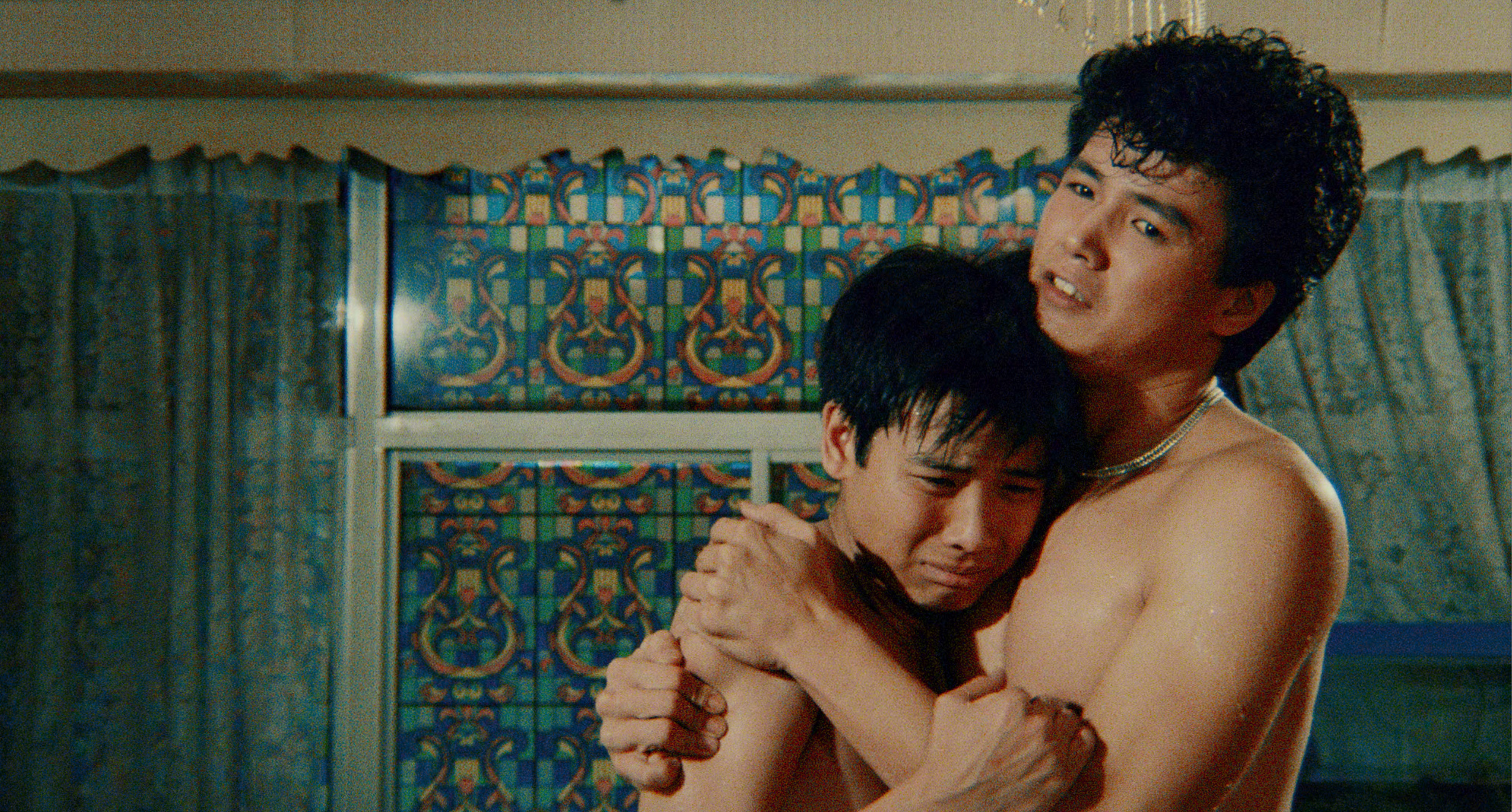
➤ Rising star Yang Ching-huang (left) and “the most handsome actor in Taiwan” Lin Jui-yang (right) co-star in Gorgeous (Courtesy of TFAI)
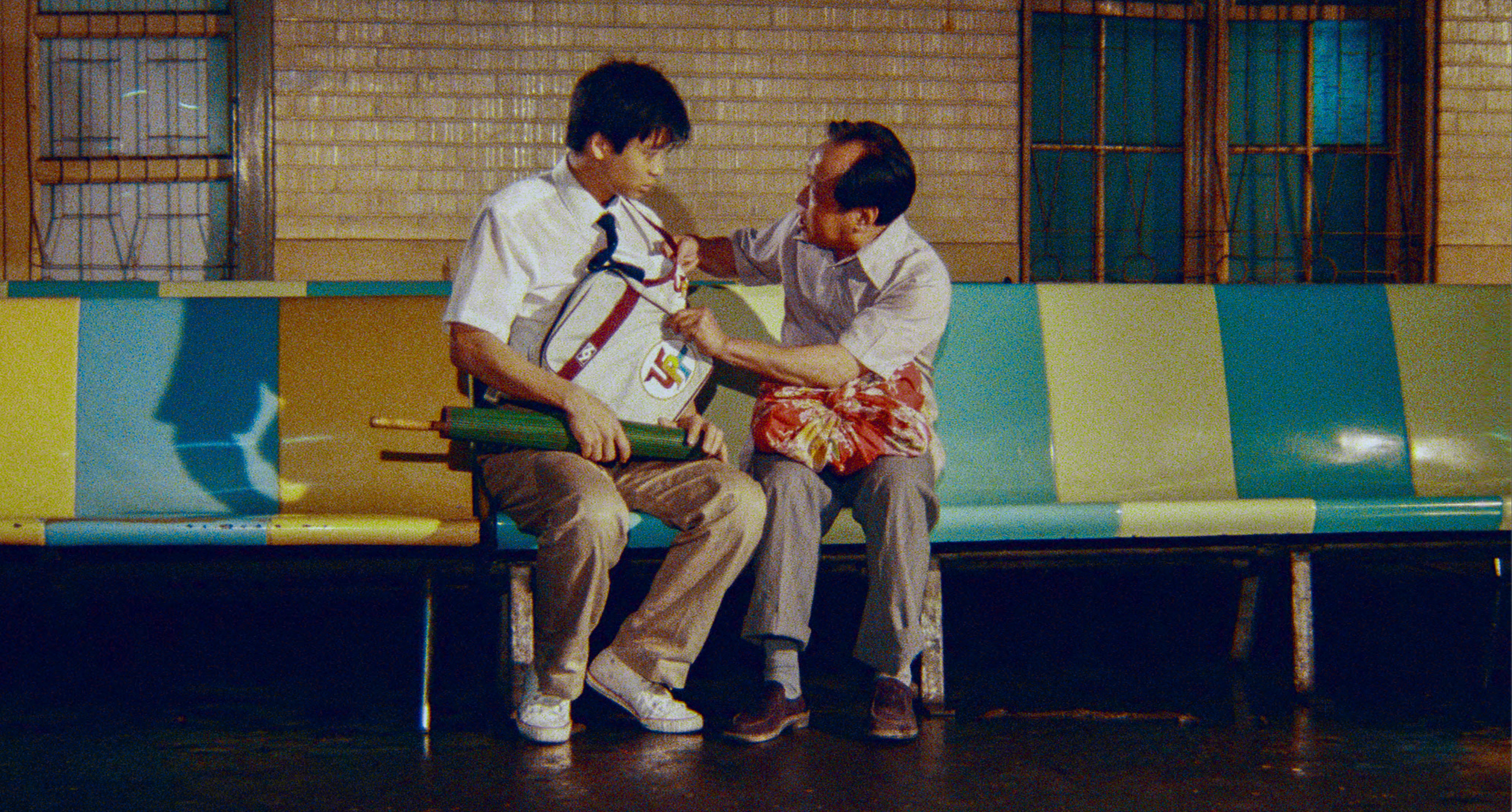
➤Gorgeous portrays a young man from a farming village in Southern Taiwan working in an airline company in Taipei (Courtesy of TFAI)
TFAI is dedicated to preserving and promoting the nation’s audiovisual heritage and continues to present landmark works in the history of Taiwanese cinema. The digitally restored version of Gorgeous not only preserves the marks left by an era of censorship but also reflects the market for commercial films at the time. Originally, some lines conveyed same-sex intimacy and scenes that showed the protagonist trading his body for coins; all these were deleted as a result of censorship and commercial concerns, which disrupted the development of the plot. However, many stereotypical depictions of gender or race were left intact in the film, revealing the shifts in social values over time that are worth pondering over. The hope is that these moments will spark thoughtful conversations among audiences.
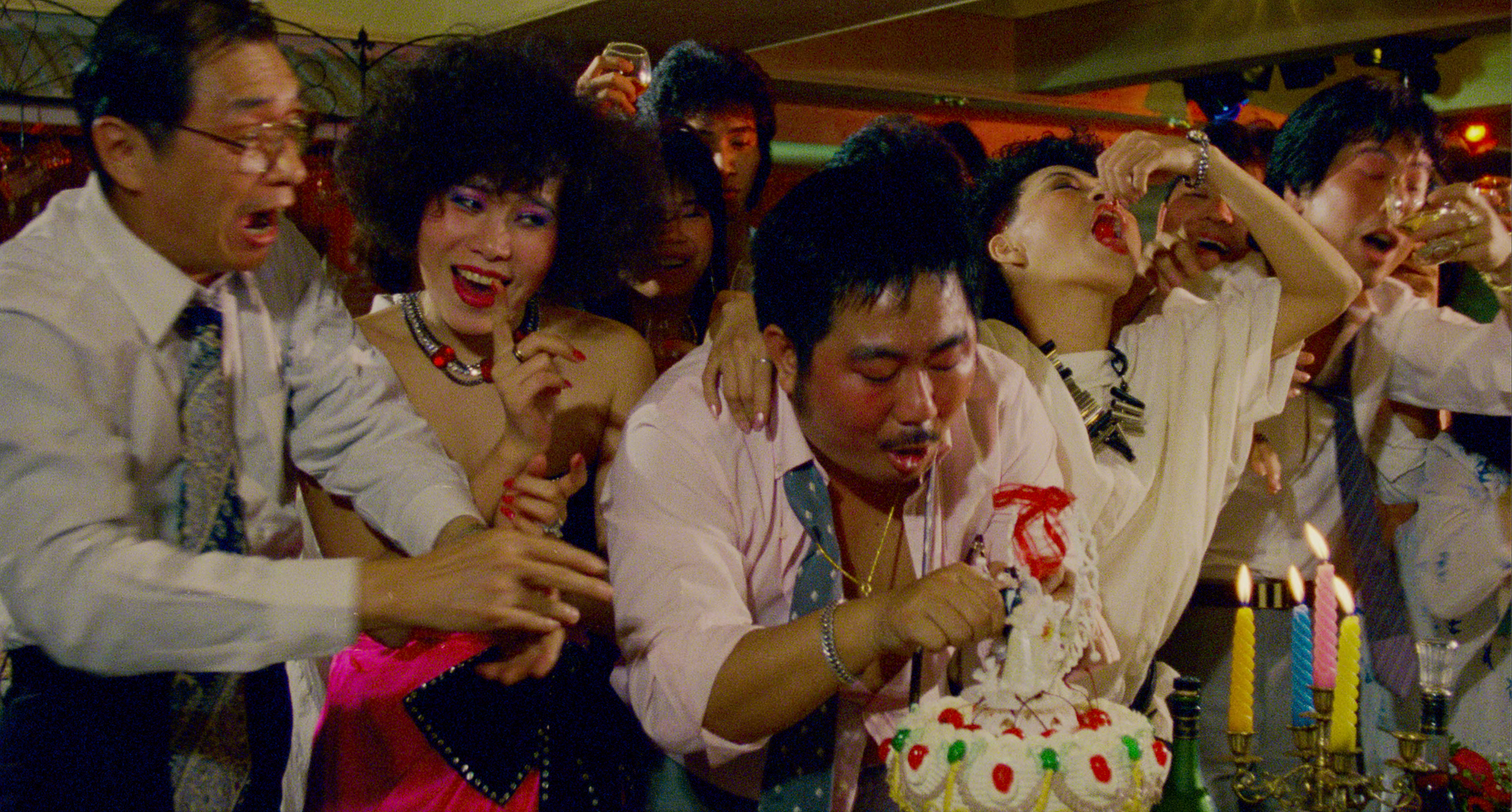
➤ In Gorgeous, Taipei is not a city of glamor but absurdity (Courtesy of TFAI)
Another special screening after the world premiere is scheduled on June 27th (Fri) at the Taipei Film Festival. Meanwhile, the film is invited to have its international premiere in July at the New York Asian Film Festival as a representative of Taiwan cinema in the NYAFF Rediscoveries – Classics Rebooted section.