
活動訊息EXHIBITION AND EVENT INFORMATION
-
 MORE
MORE -
 MORE
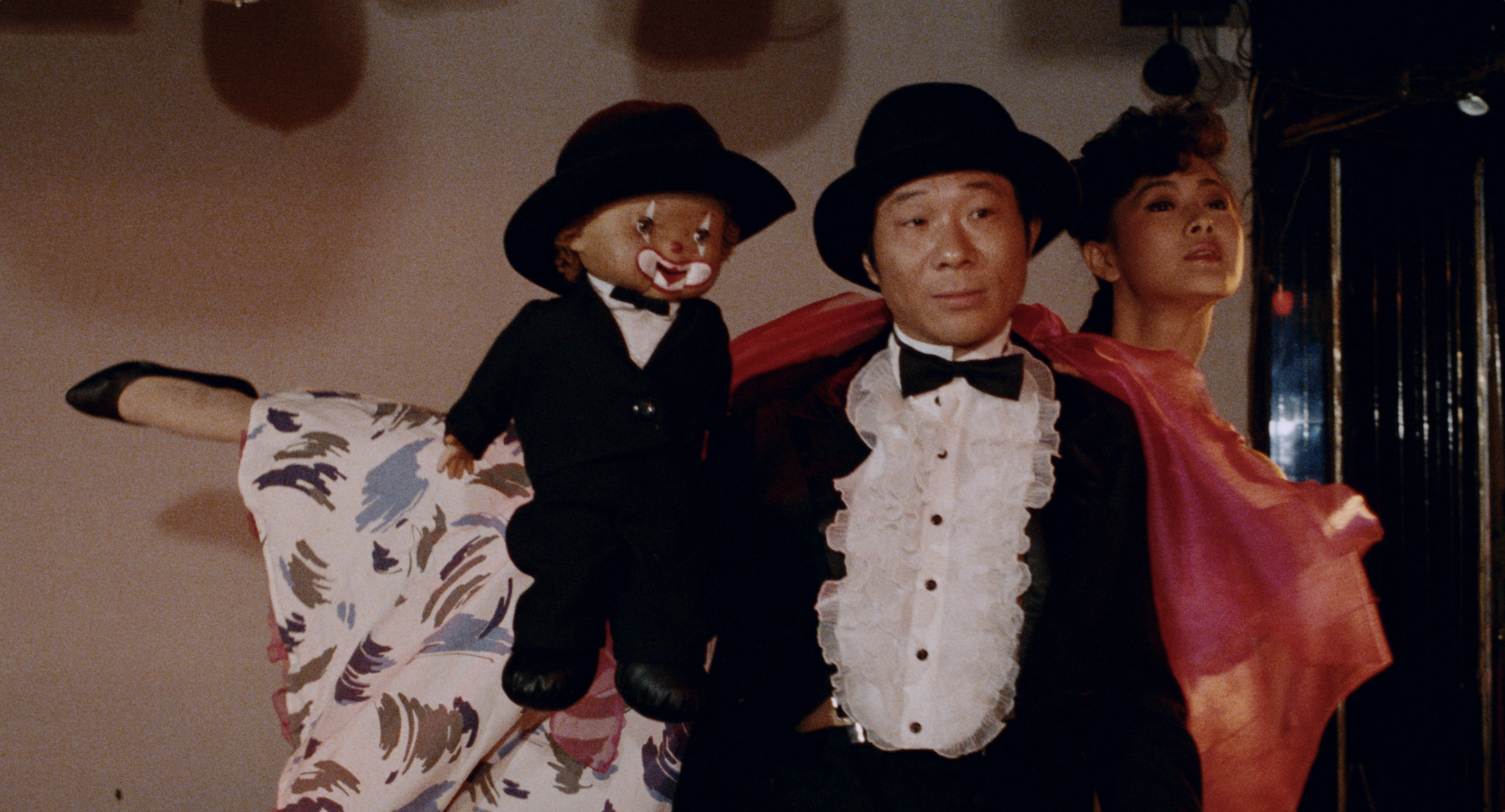
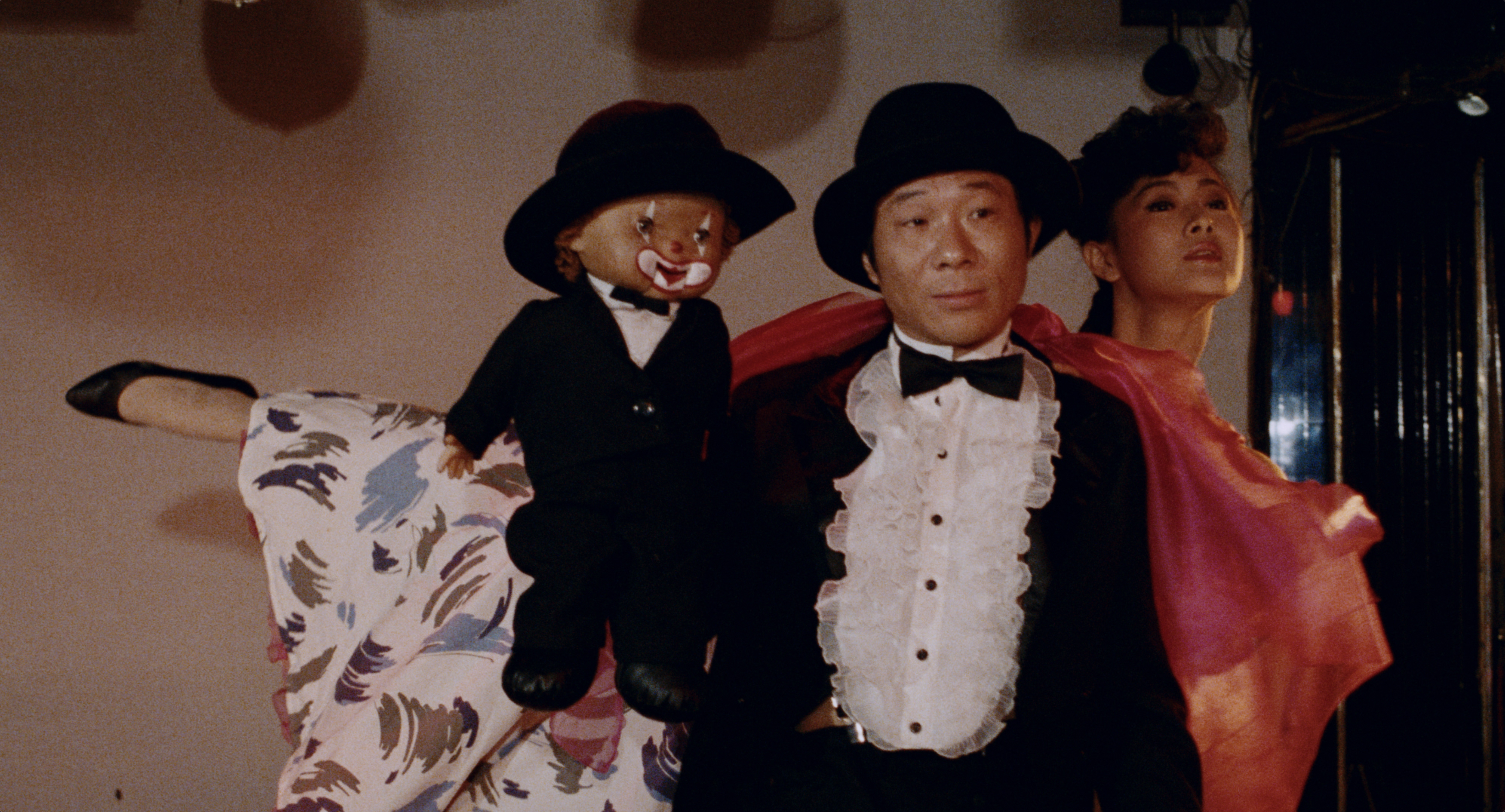
MORETFAI Marks the 40th Anniversary of The Clown and the Swan with the World Premiere of Its Digitally Restored Version, Honoring the Legacy of HSU Pu-liao
In just six short years, legendary Taiwanese comedian HSU Pu-liao created a box-office phenomenon that reshaped local comedy. To mark the 40th anniversary of his final film, The Clown and the Swan (1985), the Taiwan Film and Audiovisual Institute (TFAI) will host the world premiere of its digitally restored version on Friday, October 24, 2025, at the institute’s Outdoor Plaza in New Taipei City. This screening celebrates TFAI’s annual restoration achievements and invites both new audiences and longtime fans to rediscover the humor, humanity, and tragedy behind the “HSU Pu-liao phenomenon” that once swept Taiwan’s entertainment world. A Comedic Legend’s Rise and Tragic Fall “HSU Pu-liao is dead!” — on July 4, 1985, Taiwanese newspapers ran this shocking headline in bold white letters on a black background, reflecting the sudden loss of a beloved yet troubled performer. Trained in circus acts and magic as a child, HSU began performing in cabarets and television shows before transitioning to film. His exaggerated physical comedy and natural charisma made him a household name in the early 1980s. Yet fame came at a cost. His guaranteed box-office draw attracted the attention of the criminal underworld, and the grueling pace of nonstop film shoots, compounded by alcoholism and drug dependency, took a devastating toll on his health. ➤HSU Pu-liao applies clown makeup in the black-and-white opening scene of The Clown and the Swan. (Courtesy of TFAI) HSU passed away just as The Clown and the Swan was released. Ironically and poignantly, the film became the biggest box-office hit of his career, with audiences across Taiwan laughing and crying through his final performance. As one reporter described, “That summer, every cinema in Taiwan became HSU Pu-liao’s memorial hall.” TFAI’s 100th Restoration: A Mirror of Life and Art Marking TFAI’s 100th restoration project, The Clown and the Swan tells the story of A-kun (played by HSU Pu-liao), a washed-up entertainer, and A-chu (played by CHEN Hsiu-chen), a cabaret dancer, who fall in love while struggling through the highs and lows of show business. Their story mirrors HSU’s own life—a blend of laughter and sorrow. Director Kevin CHU recalled, “In the opening scene, I used black-and-white footage of HSU putting on his clown makeup. I had never used black and white before, and even now, I still wonder why I made that choice—it feels almost fated.” CHU and HSU first collaborated on The Clown (1980), launching both to fame. Over the years, they made five films together, forming one of the most iconic partnerships in Taiwanese cinema. CHU also vividly remembered real gangster disruptions on set: “Men once stormed the studio with samurai swords—it wasn’t just a rumor.” What moved him most, however, was HSU’s professionalism: “Even with a broken leg, and his body covered in injection marks and infections, he insisted on finishing the shoot.” ➤Director Kevin CHU praised HSU Pu-liao: “His tragicomedy performances were absolutely first-rate.” (Courtesy of TFAI) A Glimpse of 1980s Taipei “He could make people laugh just by sitting there,” said Kevin CHU. “He was a born comedian, full of emotion and vulnerability. His tragicomic acting was truly first-rate.” Beyond its performances, The Clown and the Swan offers a rare time capsule of 1980s Taipei. The film features now-vanished landmarks such as the Taipei Children’s Recreation Center, Taipei Fine Arts Museum, Taipei Botanical Garden, Chunghwa Market, Rixin Theater on Ximending’s cinema street, Banqiao Datong Water Park, and even illegal housing along Ren’ai Road. These once-familiar cityscapes will come alive again on the big screen. Free Outdoor Screening for UNESCO’s World Day for Audiovisual Heritage In celebration of UNESCO’s World Day for Audiovisual Heritage, TFAI will host a free outdoor screening of the digitally restored The Clown and the Swan on Friday evening, October 24, 2025. The event will feature live clown performances, director Kevin CHU in attendance, and free commemorative gifts and light refreshments. Audiences are invited to relive the brilliance of HSU Pu-liao—Taiwan’s “Charlie Chaplin”—on the big screen once more. -
 MORE
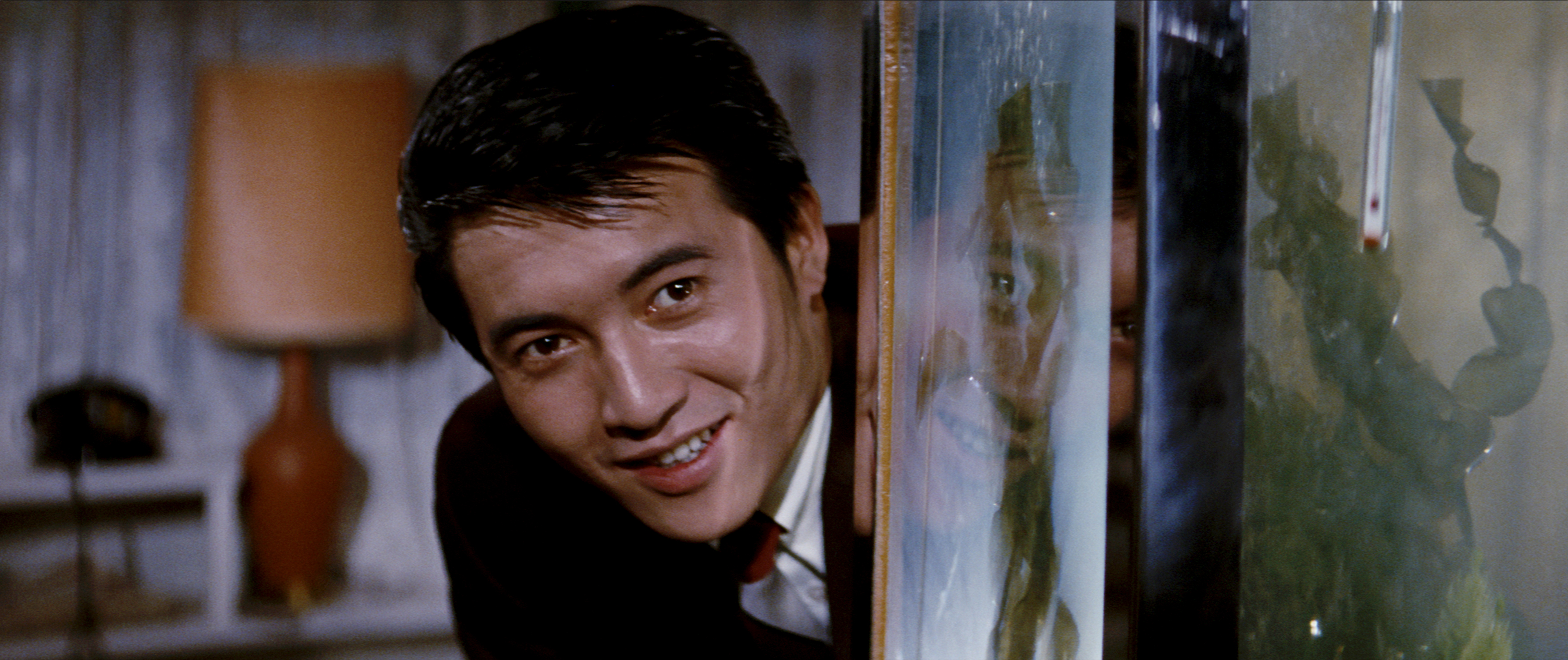
MOREGolden Horse Best Actor’s Most Iconic Performance Returns to Kaohsiung! TFAI and Kaohsiung Film Festival Present “Tribute to PAI Ching-jui,” Reviving KO Chun-hsiung’s Timeless Charisma Across Generations
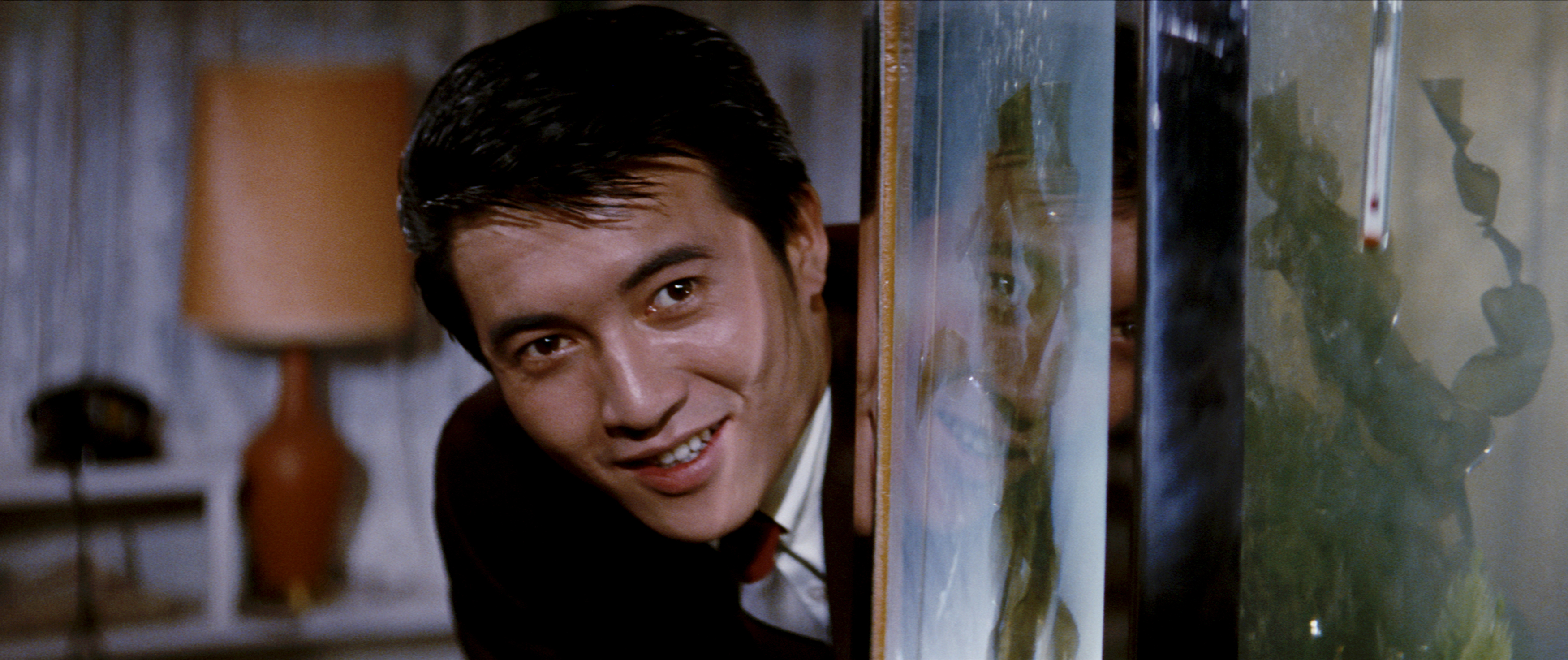
Kaohsiung (October 20, 2025) — Now in full swing, the 2025 Kaohsiung Film Festival has joined hands with the Taiwan Film and Audiovisual Institute (TFAI) to present the special program “Tribute to PAI Ching-jui(致敬・白景瑞).” The program pays homage to the acclaimed filmmaker who received both the Golden Horse Award for Best Director and the Lifetime Achievement Award. Three of PAI’s representative works—Lonely Seventeen (寂寞的十七歲, 1967), Accidental Trio (今天不回家, 1969), and Good Bye! Darling (再見阿郎, 1970)—were screened in newly restored digital versions, revisiting Kaohsiung’s cinematic past and bringing the late Golden Horse Best Actor KO Chun-hsiung(柯俊雄) back to the big screen in all his youthful brilliance. In the 1960s, PAI Ching-jui traveled to Europe to study film and was profoundly influenced by Italian Neorealism. His filmmaking approach—emphasizing on-location shooting and natural lighting—stood in contrast to the “Healthy Realism” trend that was taking shape in Taiwan, enabling him to authentically capture the cityscapes and social atmosphere of the era. ➤TFAI Chairman Arthur CHU remarked: “Lonely Seventeen is not merely a coming-of-age story; it reflects the social imagination and emotional landscape of its time.” (Courtesy of Kaohsiung Film Festival) After the screening of Lonely Seventeen on October 18, TFAI Chairman Arthur Chu(褚明仁) addressed the audience: “Lonely Seventeen is not merely a coming-of-age story; it reflects the social imagination and emotional landscape of its time. Even after half a century, we can still feel its sincerity and strength.” He added: “In the industrializing Kaohsiung of the 1960s, countless local laborers carried Taiwan’s progress forward. Screening these films in Kaohsiung today allows us to revisit that era and applaud the city and the people who shaped it.” ➤TFAI Chairman Arthur CHU noted that seeing PAI’s works return to their original filming locations and reconnect with audiences is “a rare and magical cinematic experience.” (Courtesy of Kaohsiung Film Festival) When Lonely Seventeen premiered in 1967, it swept multiple prizes at the 6th Golden Horse Awards, including Best Director, Best Color Cinematography, Best Editing, and Best Sound Recording—an enduring testament to its significance. Interestingly, KO Chun-hsiung, who starred in both Lonely Seventeen and Good Bye! Darling, grew up in Kaohsiung, while Accidental Trio also features scenes filmed in the city. For local audiences, the return of these restored works to Kaohsiung marks a rare and magical encounter with Taiwan’s cinematic history. As part of the program, poet, filmmaker, and theatre director Hung Hung(鴻鴻)delivered a special lecture titled “The Magician of Desire — The Cinematic Spectrum of PAI Ching-jui.” He shared that the three films not only highlight PAI’s distinct personal style but also revolve around the central theme of desire. “During the Martial Law period, and under the constraints of the Mandarin-language policy, PAI Ching-jui still managed to depict deeply local, realistic environments infused with symbols of desire—something truly remarkable,” Hung Hung remarked. In Lonely Seventeen, a teenage girl becomes ensnared in the complexities of first love; Accidental Trio uses multiple narratives to explore the frustrations of middle-class families seeking escape from routine life; and in Good Bye! Darling—adapted from CHEN Yingzhen’s short story Generals—the young woman Kuei-chih elopes with the drifter A-lang to Kaohsiung, only to find him consumed by the city’s temptations. Hung Hung further noted: “PAI pioneered the three-hall romantic film genre and excelled at urban comedies. Though market forces later favored melodramas, he continued to push visual experimentation within commercial forms.” ➤ “During the Martial Law period and under the Mandarin-language policy, PAI Ching-jui still managed to depict deeply local, realistic environments infused with symbols of desire—something truly remarkable,” said Hung Hung. (Courtesy of Kaohsiung Film Festival) He also emphasized how Good Bye! Darling showcases KO Chun-hsiung’s enduring magnetism: “A-lang is far from a likable character, yet through KO’s performance, this volatile, instinct-driven man radiates wild charisma. At just 25 years old, KO embodied an energy that still captivates audiences today.” The screenings marked the Taiwan premiere of the digitally restored Lonely Seventeen and the Asian premieres of the restored Accidental Trio and Good Bye! Darling. Even after more than fifty years, PAI Ching-jui’s explorations of human desire and modern life continue to resonate with contemporary viewers. -
 MORE
MOREGolden Horse Best Actor’s Most Iconic Performance Returns to Kaohsiung! TFAI and Kaohsiung Film Festival Present “Tribute to PAI Ching-jui,” Reviving KO Chun-hsiung’s Timeless Charisma Across Generations
Kaohsiung (October 20, 2025) — Now in full swing, the 2025 Kaohsiung Film Festival has joined hands with the Taiwan Film and Audiovisual Institute (TFAI) to present the special program “Tribute to PAI Ching-jui(致敬・白景瑞).” The program pays homage to the acclaimed filmmaker who received both the Golden Horse Award for Best Director and the Lifetime Achievement Award. Three of PAI’s representative works—Lonely Seventeen (寂寞的十七歲, 1967), Accidental Trio (今天不回家, 1969), and Good Bye! Darling (再見阿郎, 1970)—were screened in newly restored digital versions, revisiting Kaohsiung’s cinematic past and bringing the late Golden Horse Best Actor KO Chun-hsiung(柯俊雄) back to the big screen in all his youthful brilliance. In the 1960s, PAI Ching-jui traveled to Europe to study film and was profoundly influenced by Italian Neorealism. His filmmaking approach—emphasizing on-location shooting and natural lighting—stood in contrast to the “Healthy Realism” trend that was taking shape in Taiwan, enabling him to authentically capture the cityscapes and social atmosphere of the era. ➤TFAI Chairman Arthur CHU remarked: “Lonely Seventeen is not merely a coming-of-age story; it reflects the social imagination and emotional landscape of its time.” (Courtesy of Kaohsiung Film Festival) After the screening of Lonely Seventeen on October 18, TFAI Chairman Arthur Chu(褚明仁) addressed the audience: “Lonely Seventeen is not merely a coming-of-age story; it reflects the social imagination and emotional landscape of its time. Even after half a century, we can still feel its sincerity and strength.” He added: “In the industrializing Kaohsiung of the 1960s, countless local laborers carried Taiwan’s progress forward. Screening these films in Kaohsiung today allows us to revisit that era and applaud the city and the people who shaped it.” ➤TFAI Chairman Arthur CHU noted that seeing PAI’s works return to their original filming locations and reconnect with audiences is “a rare and magical cinematic experience.” (Courtesy of Kaohsiung Film Festival) When Lonely Seventeen premiered in 1967, it swept multiple prizes at the 6th Golden Horse Awards, including Best Director, Best Color Cinematography, Best Editing, and Best Sound Recording—an enduring testament to its significance. Interestingly, KO Chun-hsiung, who starred in both Lonely Seventeen and Good Bye! Darling, grew up in Kaohsiung, while Accidental Trio also features scenes filmed in the city. For local audiences, the return of these restored works to Kaohsiung marks a rare and magical encounter with Taiwan’s cinematic history. As part of the program, poet, filmmaker, and theatre director Hung Hung(鴻鴻)delivered a special lecture titled “The Magician of Desire — The Cinematic Spectrum of PAI Ching-jui.” He shared that the three films not only highlight PAI’s distinct personal style but also revolve around the central theme of desire. “During the Martial Law period, and under the constraints of the Mandarin-language policy, PAI Ching-jui still managed to depict deeply local, realistic environments infused with symbols of desire—something truly remarkable,” Hung Hung remarked. In Lonely Seventeen, a teenage girl becomes ensnared in the complexities of first love; Accidental Trio uses multiple narratives to explore the frustrations of middle-class families seeking escape from routine life; and in Good Bye! Darling—adapted from CHEN Yingzhen’s short story Generals—the young woman Kuei-chih elopes with the drifter A-lang to Kaohsiung, only to find him consumed by the city’s temptations. Hung Hung further noted: “PAI pioneered the three-hall romantic film genre and excelled at urban comedies. Though market forces later favored melodramas, he continued to push visual experimentation within commercial forms.” ➤ “During the Martial Law period and under the Mandarin-language policy, PAI Ching-jui still managed to depict deeply local, realistic environments infused with symbols of desire—something truly remarkable,” said Hung Hung. (Courtesy of Kaohsiung Film Festival) He also emphasized how Good Bye! Darling showcases KO Chun-hsiung’s enduring magnetism: “A-lang is far from a likable character, yet through KO’s performance, this volatile, instinct-driven man radiates wild charisma. At just 25 years old, KO embodied an energy that still captivates audiences today.” The screenings marked the Taiwan premiere of the digitally restored Lonely Seventeen and the Asian premieres of the restored Accidental Trio and Good Bye! Darling. Even after more than fifty years, PAI Ching-jui’s explorations of human desire and modern life continue to resonate with contemporary viewers. -
 MORE
MORETFAI’s Rare Home Movie Collection and Taiwanese Documentaries Receive Critical Acclaim at the Yamagata International Documentary Film Festival
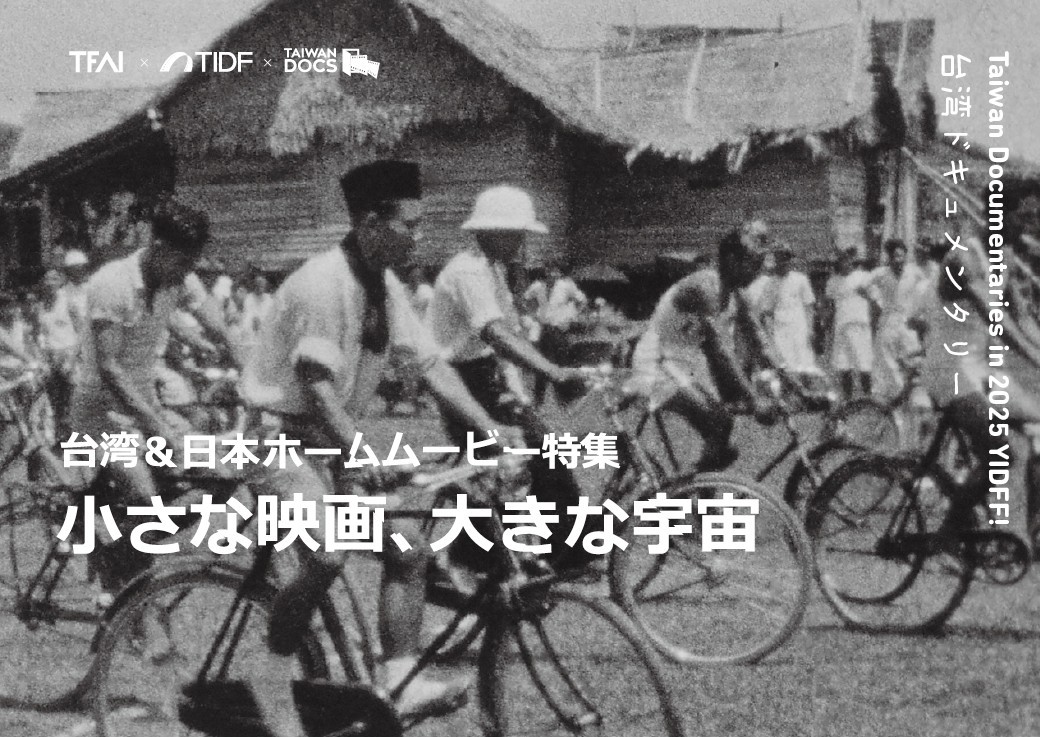
As one of Asia’s leading documentary festivals, the Yamagata International Documentary Film Festival (YIDFF) took place from October 9 to 16. This year, four Taiwanese documentaries were selected for its renowned competition — the highest number of Taiwanese films in competition in the festival’s history! Riding on this momentum, Taiwan Docs -an initiative of Taiwan Film and Audiovisual Institute (TFAI) dedicated to bringing Taiwanese documentaries and filmmakers to international audiences, - partnered with YIDFF to present the special program “Taiwanese & Japanese Home Movies: Small Film, Vast Universe.” This collaboration highlighted TFAI’s precious archival collection, including rare footage from both Yamagata and Hualien filmed in the 1960s, making their screening especially meaningful today. TFAI and YIDFF also co-hosted a Taiwan Night, expanding international exchange and visibility for Taiwanese documentary filmmakers. At the event, TFAI Director Iris DU remarked, “It's really a pleasure to collaborate with the Yamagata International Documentary Film Festival on a special program this year and to co-host the Taiwan Night, celebrating friendship, creativity, and our shared love for documentary films,” while Wood LIN, TFAI Supervisor of Research and Curation and Program Director for Taiwan International Documentary Festival (TIDF), noted, “YIDFF and the TIDF share a long and profound friendship. We hope this partnership will continue for years to come, and we warmly invite everyone to join us at next year’s TIDF in May .” ➤TFAI Director Iris DU delivers remarks at the “Taiwan Night” during YIDFF 2025. (Photo courtesy of TFAI) Teams of all four Taiwanese competition films were present at YIDFF:● Sayun Simung, director of SPI (world premiere, New Asian Currents Competition)● SONG Cheng-ying, HU Chin-ya, directors of The Tales of the Tale (New Asian Currents Competition)● Frankie SIN, director of Another Home (International Competition)● SO Yo-hen, director of Taman-taman (Park) (International Competition) Over 100 documentary professionals from around the world gathered alongside Taiwanese filmmakers, creating a lively and inspiring exchange. ➤Still from SPI, which had its world premiere at YIDFF 2025. (Photo courtesy of Taiwan Docs) The program “Taiwanese & Japanese Home Movies: Small Film, Vast Universe” concluded recently, featuring selected works from last year’s TIDF program “Untitled Reel: Amateur, Small-gauge Films and Others.” It showcased 8mm film collection from TFAI, accompanied by contextual commentary by SU Ui-tiok, co-curator of the program. The lineup included films by Dr. TING Ray-yü of the TING family in Lukang from the period under Japanese rule (1935–1943) and works by documentary photographer HSU Tsang-tse, who captured his family and daily life in the 1960s–70s. These touching everyday scenes transcend time and space, engaging in a cross-cultural dialogue with Japanese small-gauge home movies and receiving enthusiastic acclaim from audiences. ➤Co-curator SU Ui-tiok introduces the program “Taiwanese & Japanese Home Movies: Small Film, Vast Universe”. (Photo courtesy of TIDF) Another highlight this year was “Return: Yamagata × Hualien 1960s,” co-presented with the Hualien Film Center. Dedicated to preserving audiovisual heritage, TFAI drew from its Taiwan Film Culture Company’s (TFCC) newsreels collection to revisit footage of 1960s Hualien, paired with contemporaneous images of Yamagata City. The program also featured an original score by musician LIM Giong, transforming archival materials into emotionally resonant audiovisual works through creative reinterpretation. These films guided audiences back to the everyday memories of the two cities in the 1960s and evoked the enduring friendship between Taiwan and Japan, strengthened through mutual support in times of major events. Through Taiwan Docs, TFAI continues to foster strong relationships with leading international documentary professionals, promoting Taiwanese documentaries on the global stage and helping local filmmakers build international networks and strengthen industry connections. For the latest updates, please visit the Taiwan Docs website, Facebook page, and Instagram.