
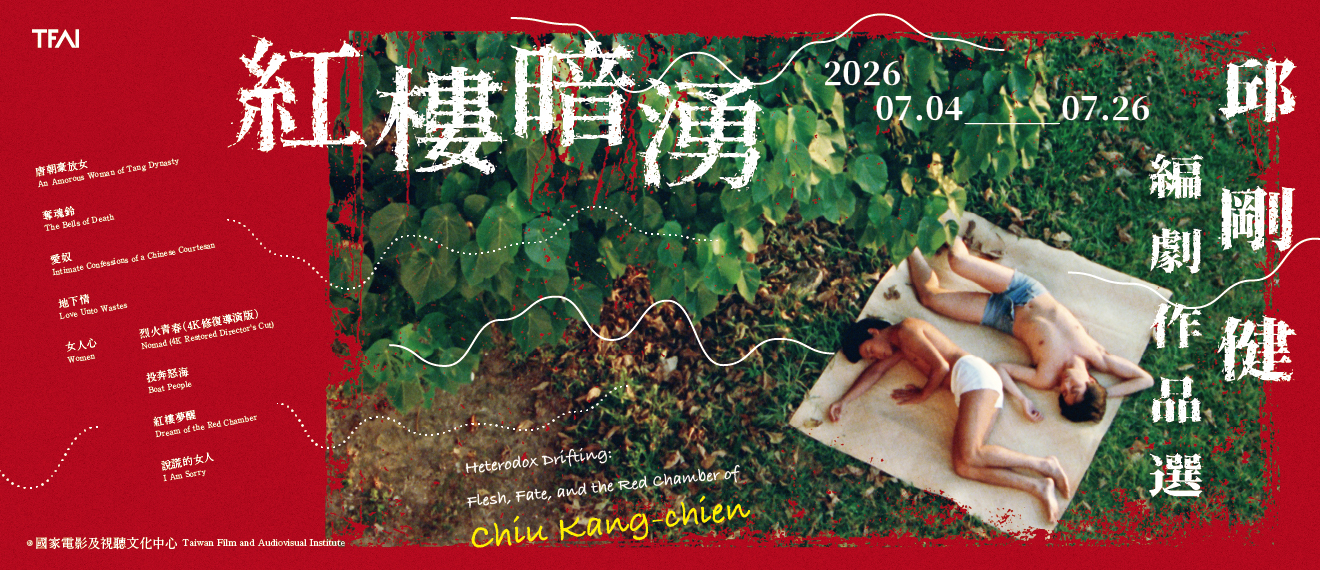
What kind of screenwriter could collaborate with renowned directors such as Stanley KWAN, Ann HUI, and Patrick TAM, while also attracting international stars including Tony LEUNG Chiu-wai, Carina LAU, Leslie CHEUNG, Cherie CHUNG, and Andy LAU? CHIU Kang-chien is a name every cinephile should know. This July, the Taiwan Film and Audiovisual Institute (TFAI) presents “Heterodox Drifting: Flesh, Fate, and the Red Chamber of Chiu Kang-chien.” Beyond the dazzling casts assembled across its nine featured films, CHIU’s screenplays reveal a cinematic world that is daring, provocative, and utterly uncompromising. From period eroticism and queer desire to suspense and murder, brace yourself for the defiance and excess that is about to unfold on the big screen.
Born on Xiamen’s Gulangyu Island in China’s Fujian province, CHIU Kang-chien moved to Taiwan as a child. His time studying in the United States broadened his horizons and shaped his avant-garde outlook. After returning to Taiwan, he co-founded Theatre magazine with friends including CHUANG Ling and HUANG Hua-cheng, introducing Western art and thought to Taiwan and Hong Kong and inspiring countless young artists, writers, and intellectuals. His literary sensibility and remarkable talent for drama soon attracted the attention of Hong Kong’s Shaw Brothers Studio, where he became a close creative collaborator of key figures of the Hong Kong New Wave, including directors Ann HUI, Patrick TAM, Tony AU Ting-ping, Eddie FONG, and production designer William CHANG Suk-ping. In his first screenplay to reach theatrical release, The Bells of Death (1968), he blended genre elements from 1960s Italian Westerns and Japanese samurai films, infusing them with a strange and unsettling atmosphere unmistakably his own and creating a strikingly modern reimagining of the wuxia film.
The women in CHIU Kang-chien's screenplays are invariably bold and ahead of their time. In Intimate Confessions of a Chinese Courtesan (1972), a young prostitute seeks to master unparalleled martial arts in order to avenge herself against abusive clients, only to enter into a forbidden romance with her madam. Meanwhile, An Amorous Woman of Tang Dynasty (1984), starring Pat HA and Alex MAN, caused a sensation upon its release with its daring scenes and breathtaking imagery. The film vividly portrays the Tang dynasty poet-courtesan YU Xuanji’s transcendence in the face of fate and desire, and the declaration, "I have walked paths that many women dare not tread," has since become an iconic line.
CHIU Kang-chien also captured the inner world of modern men and women with great precision. For Women (1985), the first screenplay he wrote for Hong Kong director Stanley KWAN, he brought together CHOW Yun-fat and Cora MIAO to play a married couple, along with Cherie CHUNG as a seductive mistress, crafting a nuanced portrait of the contradictions of human nature within marriage. His second collaboration with Stanley KWAN, Love Unto Waste (1986), starring Tony LEUNG Chiu-wai, Elaine JIN, TSAI Chin, and CHOW Yun-fat, depicts young men and women seeking to dispel their loneliness through romantic entanglements, only to become caught up in a murder case. Steeped in metaphors of death and sex, it was the screenplay CHIU considered the most satisfying of his career. I Am Sorry (1989) traces the journey of urban women’s self-awakening in the late 1980s. Its four vividly drawn female protagonists, relentless in their pursuit of love, left a lasting impression, leading later generations to hail the film as "Hong Kong’s Sex and the City," with Carina LAU in particular stealing the show.
With his keen insight into human nature, CHIU Kang-chien also used his screenplays to convey his reflections on the times and on history. Nomad (1982) brings together Leslie CHEUNG, Kent TONG, Pat HA, and Cecilia YIP as a group of young men and women who love and hate with equal abandon. They pass their days in a cycle of endless revelry, until the appearance of a defector from the Japanese Red Army plunges them into a struggle for survival. Boat People (1982), the final installment of director Ann HUI's "Vietnam Trilogy," is set against the backdrop of refugees displaced in the aftermath of the fall of South Vietnam in 1975. Making his big-screen debut, Andy LAU plays the young To Minh, earning a nomination for Best New Performer at the 2nd Hong Kong Film Awards.
CHIU Kang-chien’s works spanned literature, theater, and film. Despite his prolific screenwriting, he directed only three feature films, the first of which was Dream of the Red Chamber (1977), an adaptation of one of the Four Great Classical Novels of Chinese literature. Relocated to 1970s Singapore, the story retains the simmering tensions of the love triangle between Lin Daiyu, Jia Baoyu, and Xue Baochai. TFAI provided the world's only surviving 35mm print of Dream of the Red Chamber for digital restoration by Singapore’s Asian Film Archive, allowing this long-lost “Red Chamber” dream, dormant for nearly half a century, to make its Taiwan premiere in this program. Due to the film's age and the severe fading of the original print, the Asian Film Archive elected to restore the film, originally in color, into black and white in order to preserve its viewing quality, making it a unique case among restored Chinese-language films. This screening will also feature a special appearance by restoration specialist Tee Pao CHEW from the Asian Film Archive, who will share firsthand insights into the restoration process.
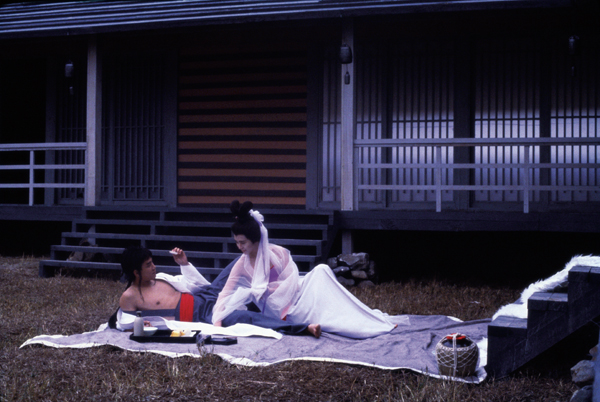
Pat HA (right) and Alex MAN (left) in the sensational hit An Amorous Woman of Tang Dynasty (1984). (Courtesy of Celestial Pictures Limited)
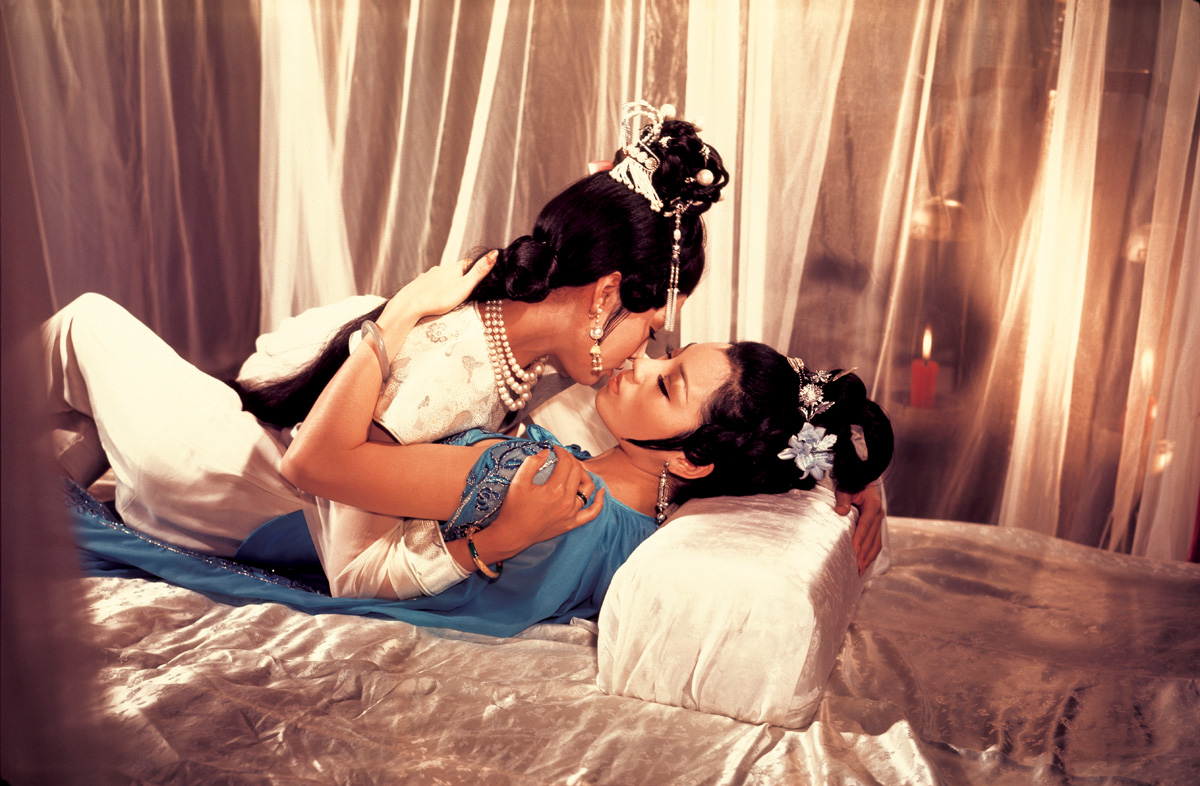
A young prostitute and her madam embark on a forbidden romance in Intimate Confessions of a Chinese Courtesan (1972). (Courtesy of Celestial Pictures Limited)
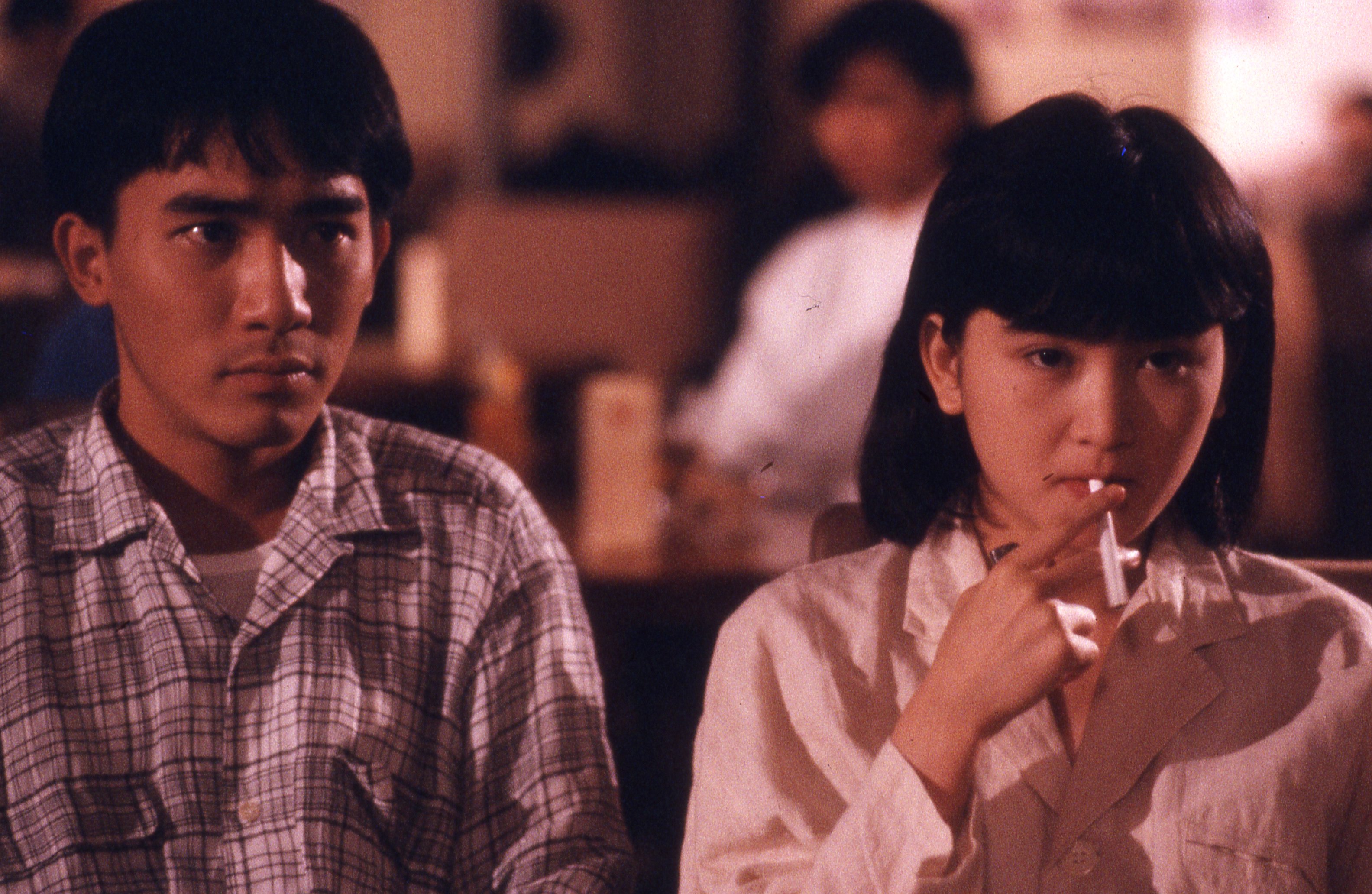
Love Unto Waste (1986), starring Tony LEUNG, Elaine JIN, TSAI Chin, and CHOW Yun-fat, was the screenplay CHIU Kang-chien considered the most satisfying of his career. (Courtesy of Fortune Star Media Limited)
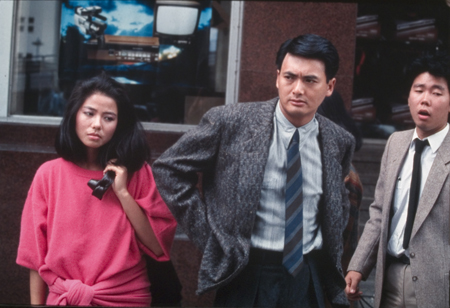
Women (1985) stars CHOW Yun-fat (center) alongside Cherie CHUNG (left) in the role of a seductive mistress. (Courtesy of Celestial Pictures Limited)
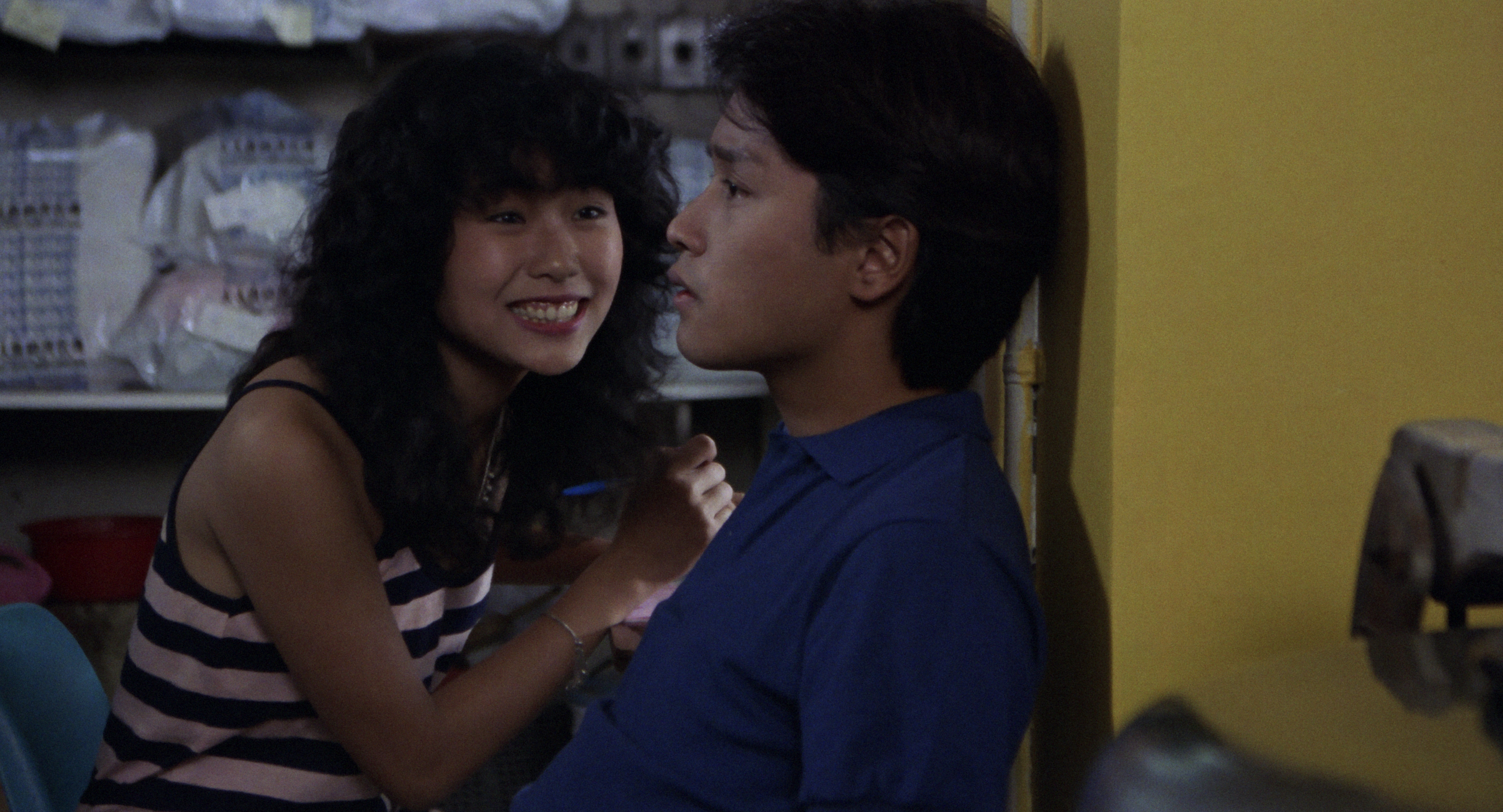
Nomad (1982) brings together Leslie CHEUNG (right), Kent TONG, Pat HA, and Cecilia YIP (left) as a group of young men and women who love and hate with equal abandon. (Courtesy of TFAI)
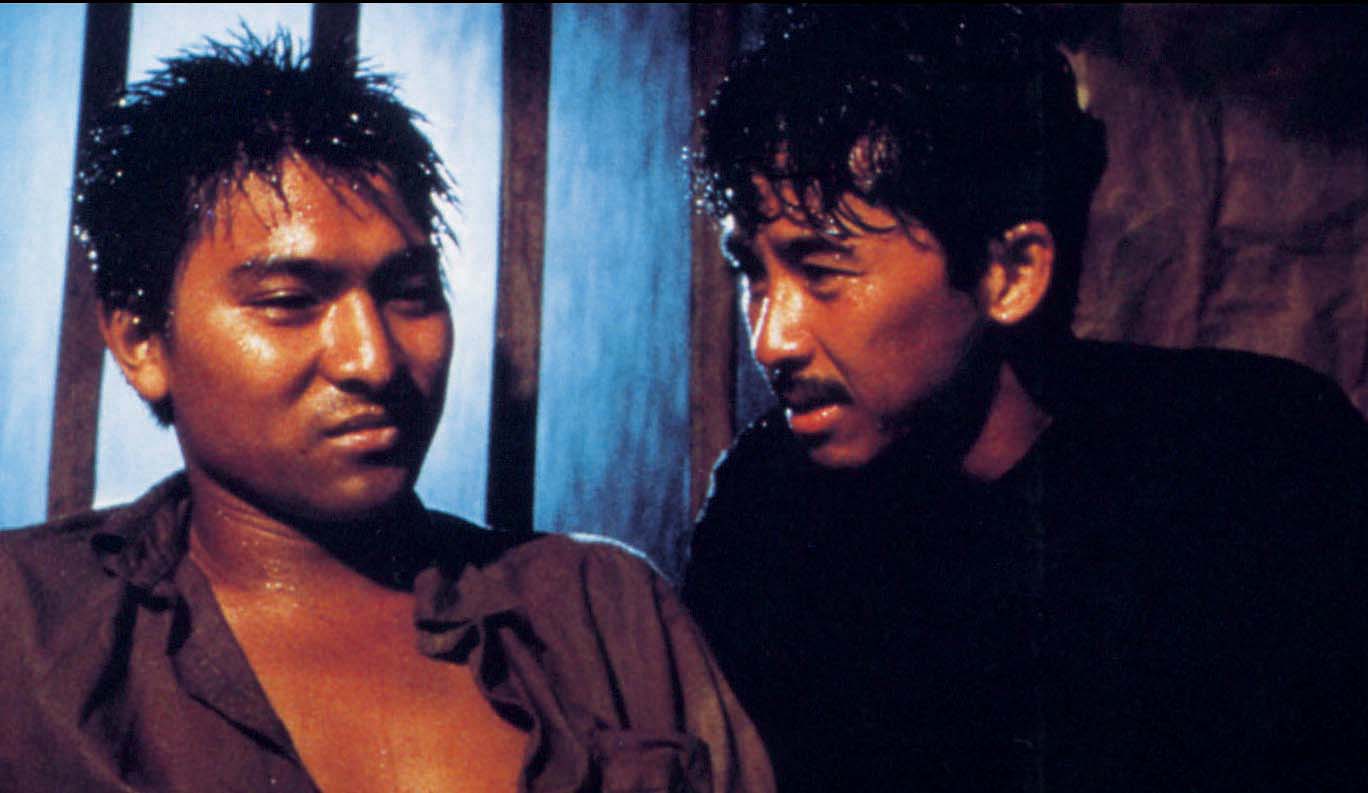
Boat People (1982) earned Andy LAU, in his big-screen debut, a nomination for Best New Performer at the 2nd Hong Kong Film Awards. (Courtesy of TFAI)