
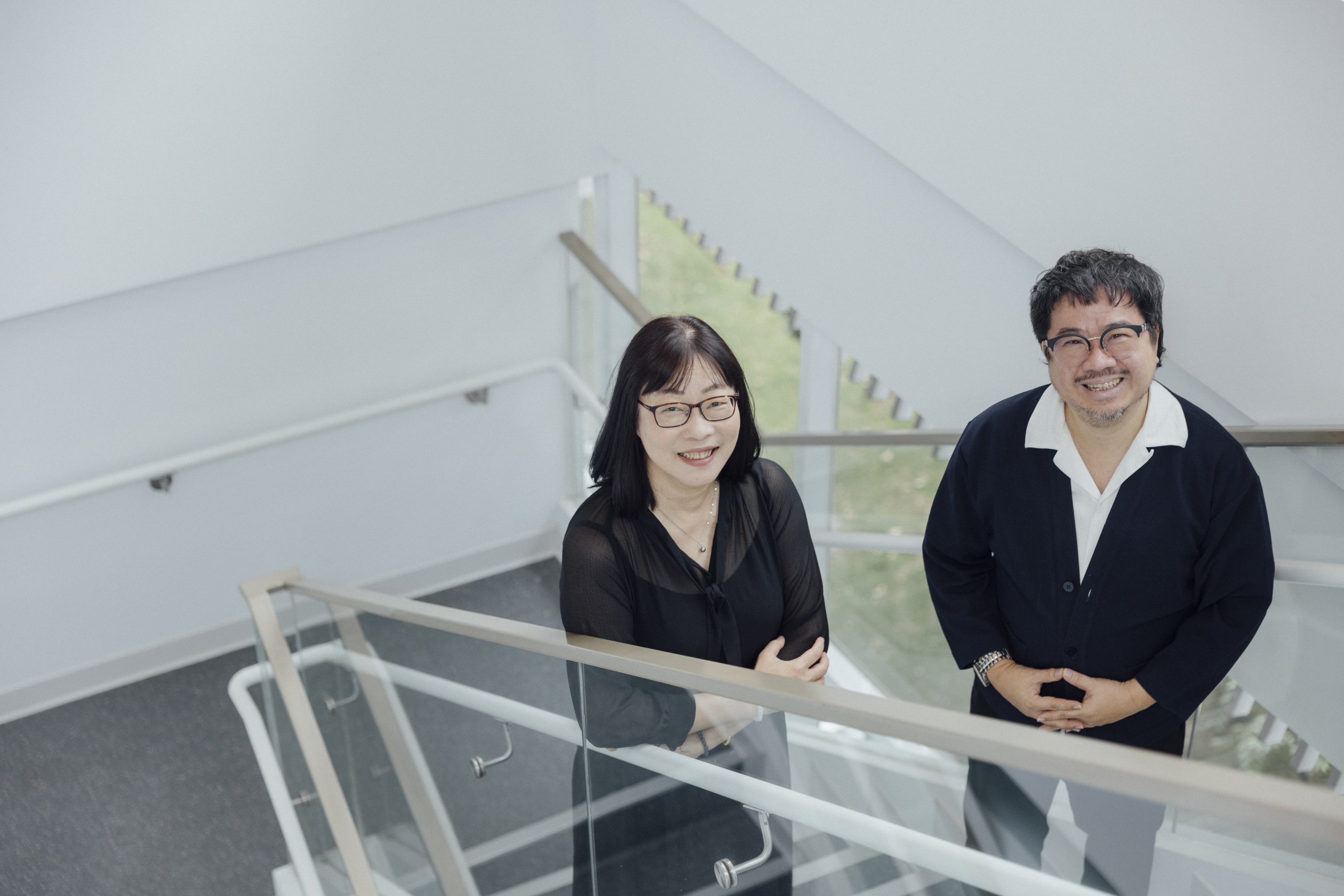
The Taiwan Film and Audiovisual Institute (TFAI) convened the first meeting of its third Board of Directors on May 28th. During the meeting, the Board approved Chairperson Arthur CHU’s nomination of Executive Director DU Li-chin, confirming her reappointment for a new term. The two leaders will continue to work together to advance the Institute’s long-term vision and development. The announcement was accompanied by the official launch of the “TFAI 2026-2030 Strategic Development Plan,” laying the foundation for TFAI’s transformation into a museum. Through this initiative, TFAI aims to further preserve, revitalize, and promote Taiwan’s film, television, and broadcasting heritage as a shared cultural asset for the public, while ushering in a new phase of institutional growth and development.
Arthur CHU began his career as a film journalist and has long been dedicated to Taiwan’s film and television production, promotion, and distribution sectors. Since assuming the chairmanship in September 2023, CHU has worked closely with the TFAI team to advance a wide range of initiatives with notable success. By sharing the Institute’s digital restoration achievements through international partnerships and screenings at leading film festivals, TFAI has helped bring the stories, history, and cultural legacy of Taiwan’s film and audiovisual heritage to audiences around the world. Chairperson CHU remarked: “A love for cinema never dies! I am delighted to continue serving at TFAI and working alongside such an outstanding team. The digital restoration of Taiwan’s classic films has become the Institute’s most compelling cultural calling card on the international stage. These works carry profound cultural and historical significance while highlighting the importance of preserving, restoring, and making audiovisual heritage accessible to the public.”
Recent initiatives have showcased TFAI’s growing capacity and impact in promoting Taiwan’s audiovisual heritage. Among them is the launch of the digital restoration of the Taiwanese classic The Dull-Ice Flower (1989). Long cherished by generations of Taiwanese viewers, the film was selected for the Cannes Classics section of this year’s Cannes Film Festival, bringing this landmark work of Taiwan cinema to one of the world’s foremost platforms for film heritage. TFAI has also, for two consecutive years, presented the New Year’s Eve open-air screening of Vive L’Amour (1994) in Daan Forest Park. By bringing together an iconic urban space and a masterpiece of Taiwanese art cinema, the event became a widely discussed cultural phenomenon and attracted coverage from international media outlets including CNN. The film also returned to the Venice International Film Festival last year in a newly restored 4K version, where it was selected for the Venice Classics section.
The public presentation and research on Formosa (1920s), the earliest surviving film related to Taiwan from over a century ago, brings local audiences closer to their own history through the landscapes and customs during the Japanese colonial period which were captured in the documentary. TFAI has also further strengthened its connections with global film archives, hosting its first international forum, “Future to the Back: Archives in Motion.” By continuing to reinforce its core functions in collection, preservation, restoration, research, public outreach, and education, TFAI is laying the groundwork—in both expertise and organizational capacity—for its transformation into a museum of film, television, and audiovisual culture.
Founded in 1978 (former name: Film Library of the Motion Picture Development Foundation) , TFAI relocated in 2022 from Qingdao East Road in Taipei’s Zhongzheng District to its current site in Xinzhuang, New Taipei City. Through year-round screenings, events, and exhibitions, it has cultivated a loyal audience and established itself as a leading venue for film culture and new cinematic discourse in Taiwan. The ultimate goal of the next phase of TFAI’s brand transformation is to relocate its archives and work stations in Shulin to its Phase II site on Wenyi Road in Xinzhuang. This will enable the integrated preservation and management of over 200,000 items, including Taiwanese, film, television, and radio files and artifacts, creating a new kind of “film and audiovisual museum” that aims to provide Taiwan’s invaluable audiovisual heritage with a more professional, comprehensive, and permanent home.
CEO DU Li-chin, who joined TFAI in 2024, brings extensive expertise in cultural and arts development in Taiwan and abroad, with a professional focus on digital archiving and museum studies. DU remarked, “TFAI is an exceptionally unique institution. In most museum projects, whether in Taiwan or elsewhere, the focus is typically on continually enhancing the facilities, collections, and services of an existing museum. TFAI, however, already possesses a rich collection and is now in the process of building a home of its own. For the team, this is an unprecedented and formidable undertaking. At the same time, it also means we are fortunate to have tremendous flexibility to help shape a new chapter in the development of museums in Taiwan.”
The “TFAI 2026-2030 Strategic Development Plan” announced today is guided by three core principles: “ Centering Taiwan”, “Archiving Time,” and “Accessing Memories.” Through these, TFAI seeks to reconstruct Taiwan’s cultural and historic narratives in both visual and auditory forms, positioning film and audiovisual heritage as a gateway for Taiwanese people to better understand themselves, and for the world to better understand Taiwan. As TFAI enters this pivotal stage in its transformation toward becoming a museum, Chairperson CHU remarked: “ TFAI will celebrate its 50th anniversary in just two years. It feels as though I’m standing on the shoulders of all the predecessors and giants who came before us. As TFAI continues moving toward becoming a museum, we are writing a new chapter in its history. It is both a great honor and a heavy responsibility, and I look forward to working together with the team to fulfill the aspirations we have set for ourselves.”
CEO DU Li-chin further noted: “This long-term and ongoing mission is also a public commitment. Beyond their expertise in digital restoration, archiving, curatorial practice, and research, our colleagues must, in the next phase, also build the knowledge and capabilities required to operate a museum. Our approaches to talent recruitment, training, and organizational management are therefore undergoing transformation in parallel.” Internally, administrative reforms will be carried out in parallel to improve efficiency and strengthen collaboration, knowledge management, and professional training. Key initiatives include the comprehensive enhancement of collections management, cataloguing, and digitization workflows; the development of a new official website and active expansion of open access; and active participation in and hosting of domestic and international cultural events to enhance public engagement and visibility.
Through the implementation of this new five-year plan, TFAI aspires to become a new cultural institution that is faithful to history and rooted in Taiwan, while fostering innovation and social connection. Above all, it seeks to serve as a new gateway through which the world can discover Taiwan.
The full text of the TFAI 2026–2030 Strategic Development Plan will be available at a later date on the official TFAI website.
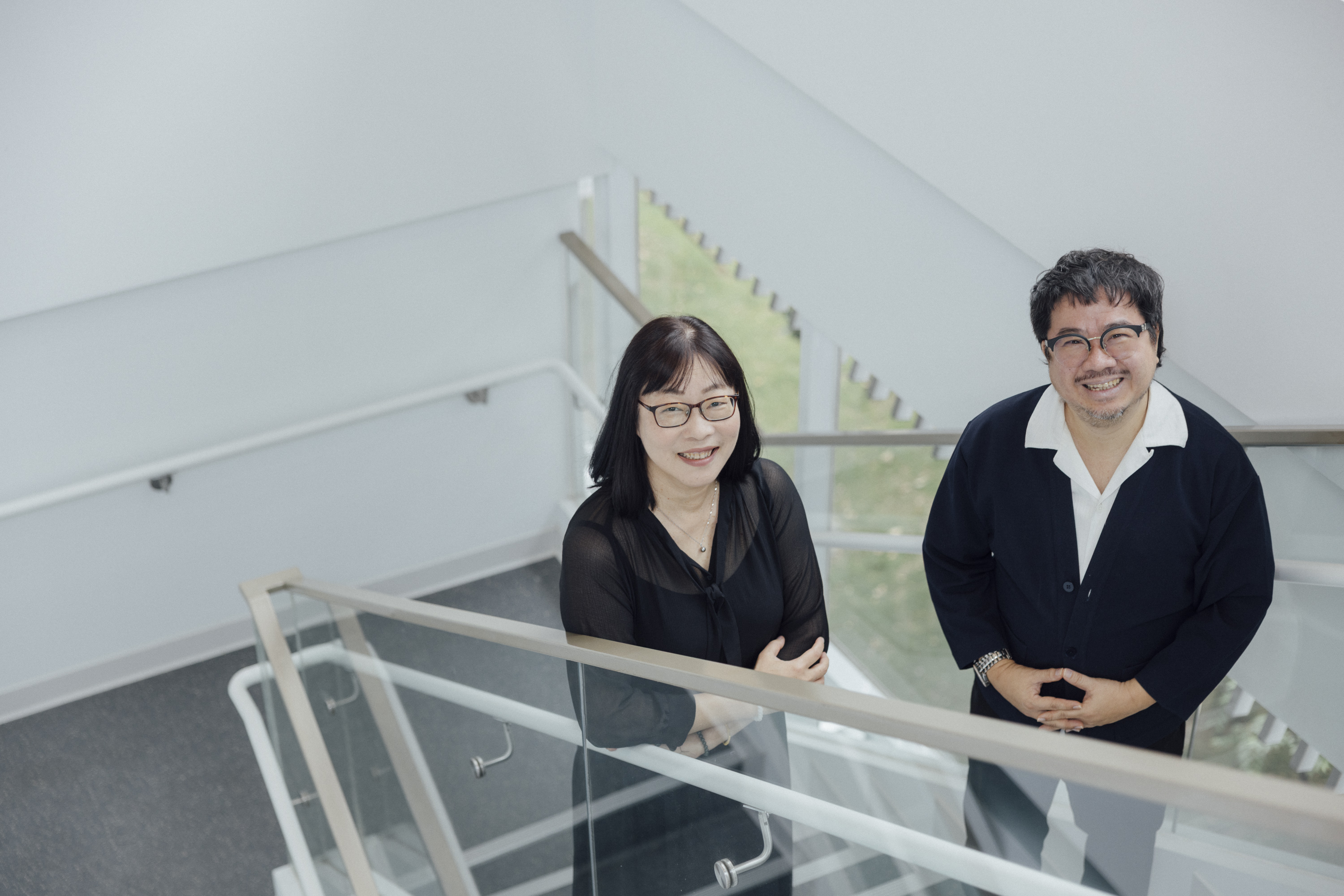
Taiwan Film and Audiovisual Institute announced the reappointment of its leadership team, confirming that Chairperson Arthur CHU and Executive Director DU Li-chin will continue to work together.
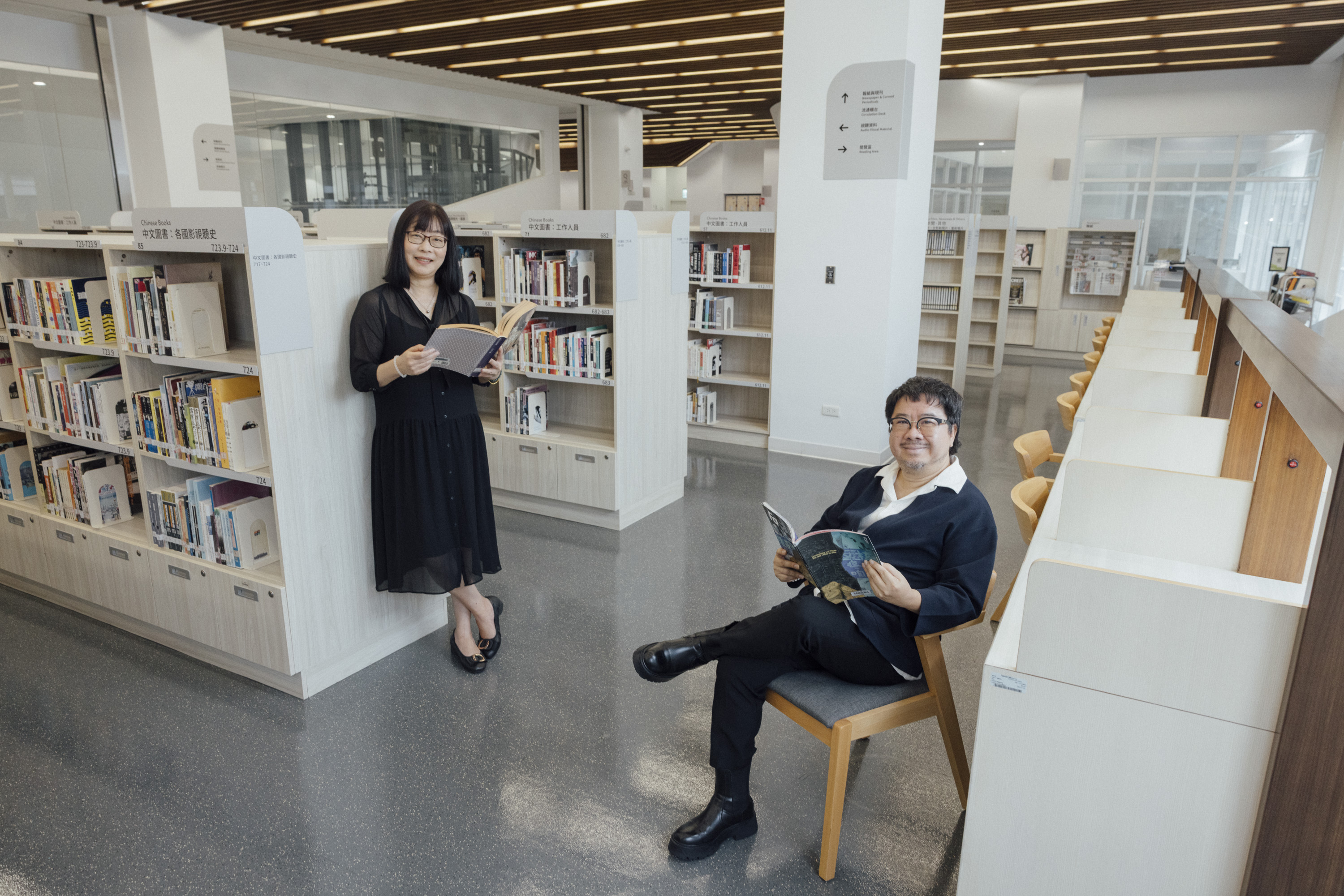
TFAI also unveiled its “2026–2030 Strategic Development Plan,” outlining its transformation into a dedicated national museum of film and audiovisual culture.
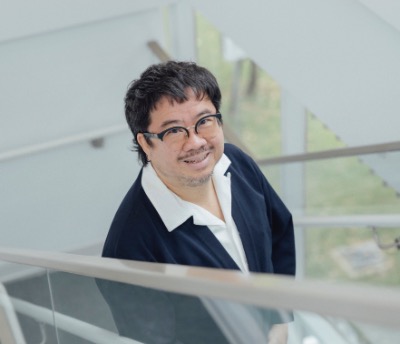
Chairperson Arthur CHU stated: “A love for cinema never dies! I am delighted to continue serving at TFAI and working alongside such an outstanding team.”
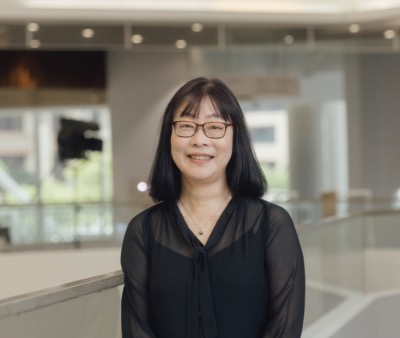
CEO TU Li-chin said: “We are fortunate to be part of a pivotal chapter in the development of Taiwan’s museum landscape.”