
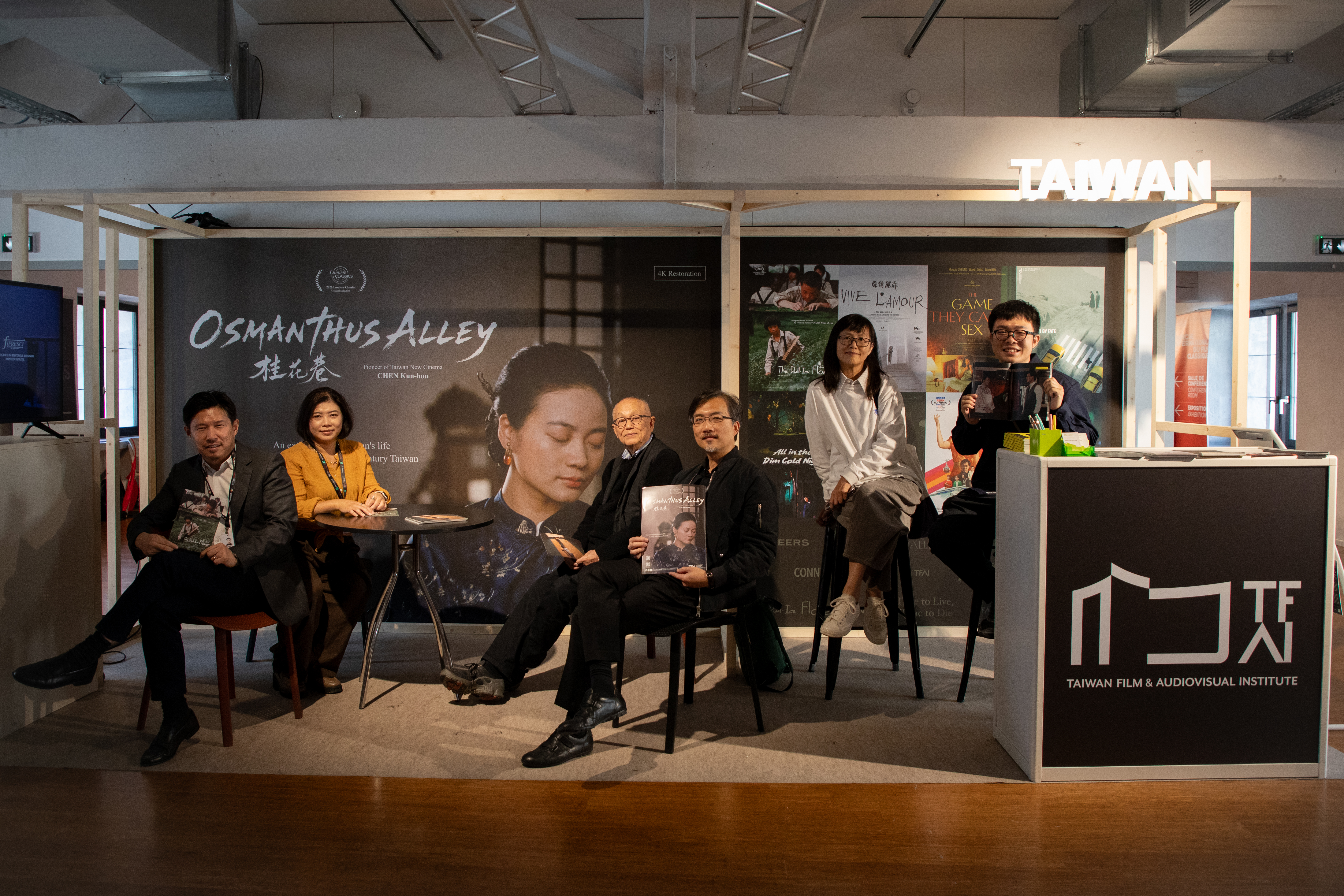
Following the recent world premiere of Osmanthus Alley (1987) in its new 4K restoration and original Taiwanese-language soundtrack, representatives from the Taiwan Film and Audiovisual Institute (TFAI) officially took center stage on October 15 at the Marché International du Film Classique (MIFC) under the special spotlight "Taiwan in Focus,” sparing no effort to present Taiwan's rich and diverse film, television, and audiovisual heritage. Before the final screening of Osmanthus Alley, director CHEN Kun-hou gave an emotional speech in Taiwanese, expressing his gratitude to the international audience, and voiced his hope that they would listen closely to the elegant rhythm of Taiwanese-language dialogue he originally intended to present.
This year, the MIFC placed Taiwan in the spotlight—the first non-European country to receive this honor—under the theme "Taiwan in Focus." The dedicated panel "Taiwanese Cinematic Heritage: Preserving the Past, Shaping the Future" presented TFAI's achievements in restoration, promotion, and distribution in recent years. As the year 2026 marks the 70th anniversary of Taiwanese-language cinema (“Taiyupian”), TFAI Chairman Arthur CHU emphasized that “Taiyupian” is what most clearly distinguishes Taiwanese cinema from Chinese cinema on the international stage: "Back then, Taiwanese-language films were independent productions made purely by local Taiwanese filmmakers in the Taiwanese language, without any official government subsidies. They are undoubtedly the audiovisual heritage that best represents Taiwan's autonomous cinematic identity—unique and belonging strictly to Taiwan!"
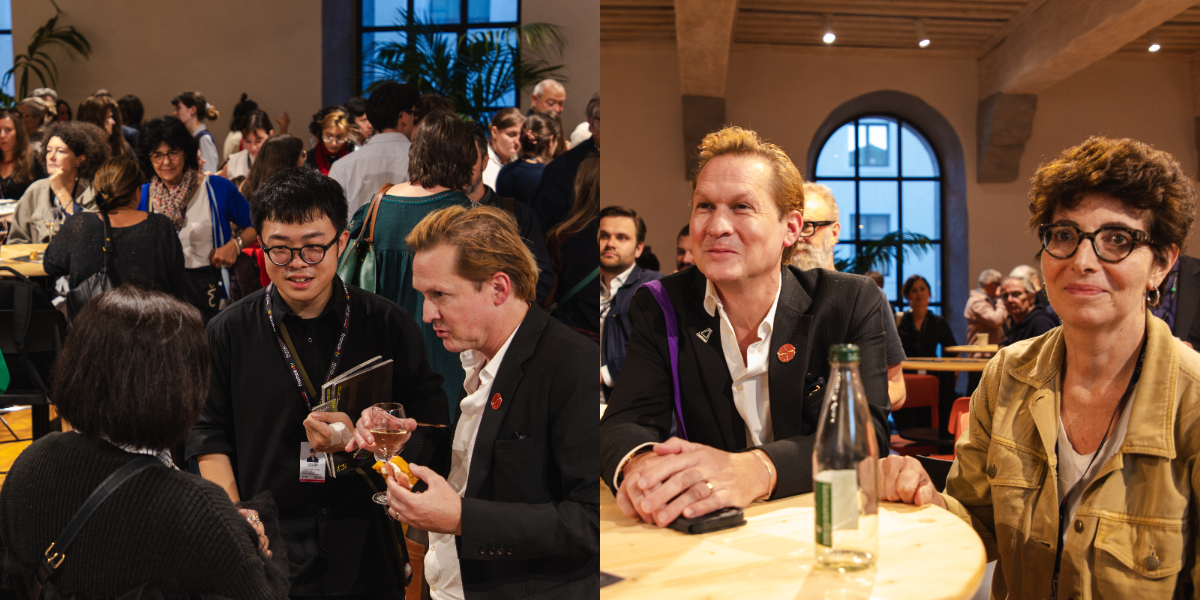
The panel impressed attendees with its diversity and willingness to push boundaries, presenting historical research that brought archival collections to light, and sharing curatorial concepts that offered fresh interpretations of the past. At the networking reception following the panel, Taiwanese sweets were specially prepared and served, allowing the island’s charm to not only resonate through the silver screen, but also enchant the guests through a direct experience with its culinary culture.
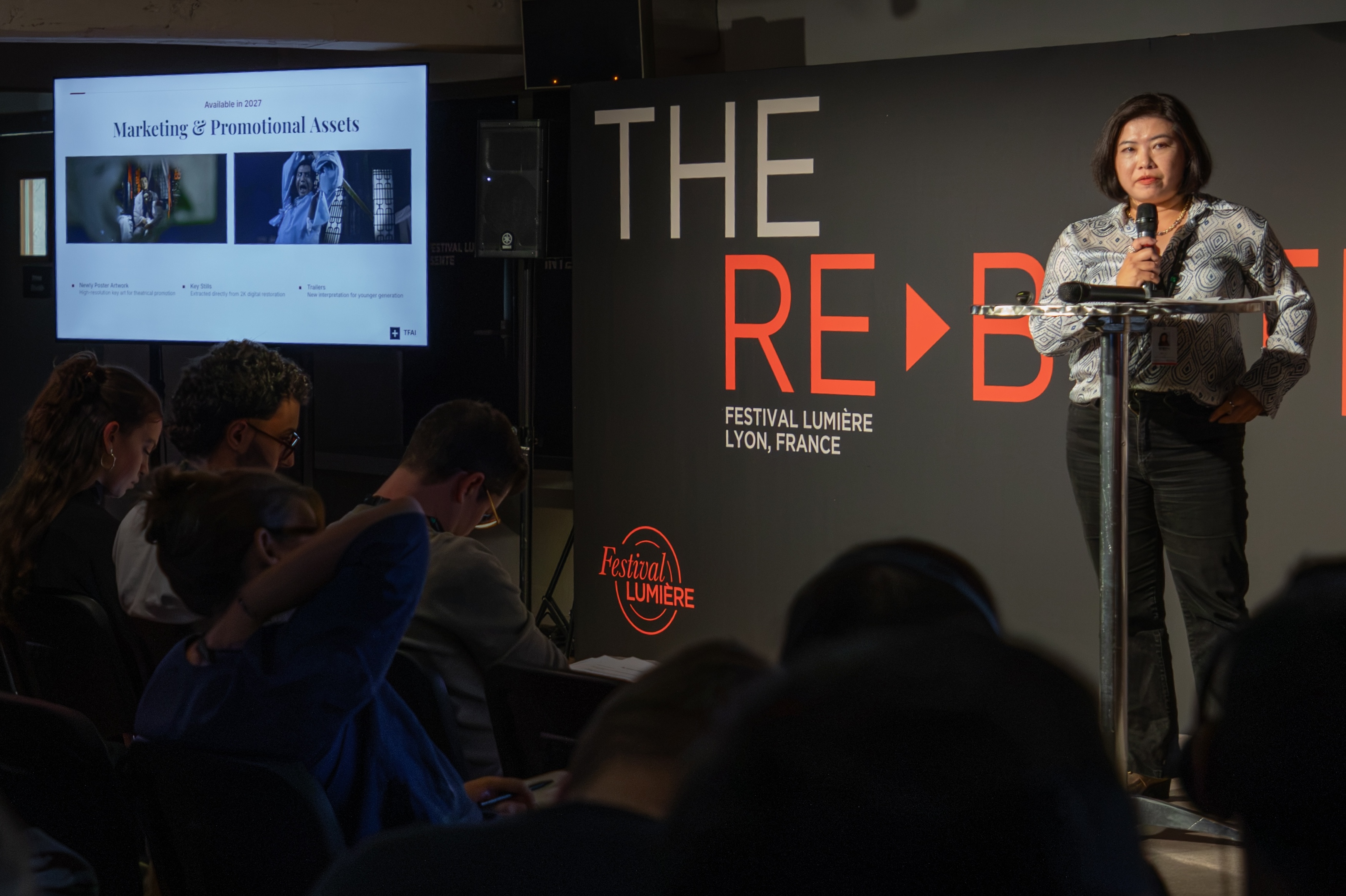
As the world's only international commercial market dedicated to classic films, the MIFC gathers distributors, film archives, and industry professionals from all over the world, aiming to foster cross-national and cross-domain collaborations to jointly promote and preserve the world’s shared film and audiovisual heritage. At the Re>Birth “Next” Programme, TFAI unveiled an exciting project to the international community: the digital restoration of All in the Dim Cold Night (1974), directed by YAO Feng-pan—the "King of Ghost Films"—is nearing completion. A short three-minute clip opened the eyes of classic film distributors worldwide, helping them better understand the collective memory of the horror genre that thrilled Taiwanese and Hong Kong audiences back in the day.
Adapted from PU Song-ling’s classic collection of supernatural tales, Strange Stories from a Chinese Studio, YAO Feng-pan's All in the Dim Cold Night (1974) pioneered an entirely new style of horror filmmaking that created a sensation across Taiwan and Hong Kong. The crew burned rice straw to generate smoke, and placed the female ghost on a pushcart to create dolly movements. This inventive mastery of atmosphere-building made the film a critically acclaimed box-office hit, sparking a trend of period horror films such as The Blue Lamp in Winter Night (1975) and Ghost Under the Cold Moonlight (1975), and cementing YAO’s reputation as the "King of Ghost Films." At the market, international distributors were blown away by the trailer of YAO’s masterpiece, praising that in the 1970s, the West had The Exorcist (1973) from the United States, while the East had All in the Dim Cold Night from Taiwan. Even before restoration is complete, distributors from multiple regions have already come forward to inquire about distribution rights for the film.
With the final market screening of Osmanthus Alley (1987), TFAI brought its participation at the Lumière Film Festival events to a successful conclusion. TFAI Chairman Arthur CHU stated: "We look forward to seeing Taiwan's film and audiovisual heritage reach even more audiences in the future, so that Taiwan's local charm can be even more known and celebrated around the world."
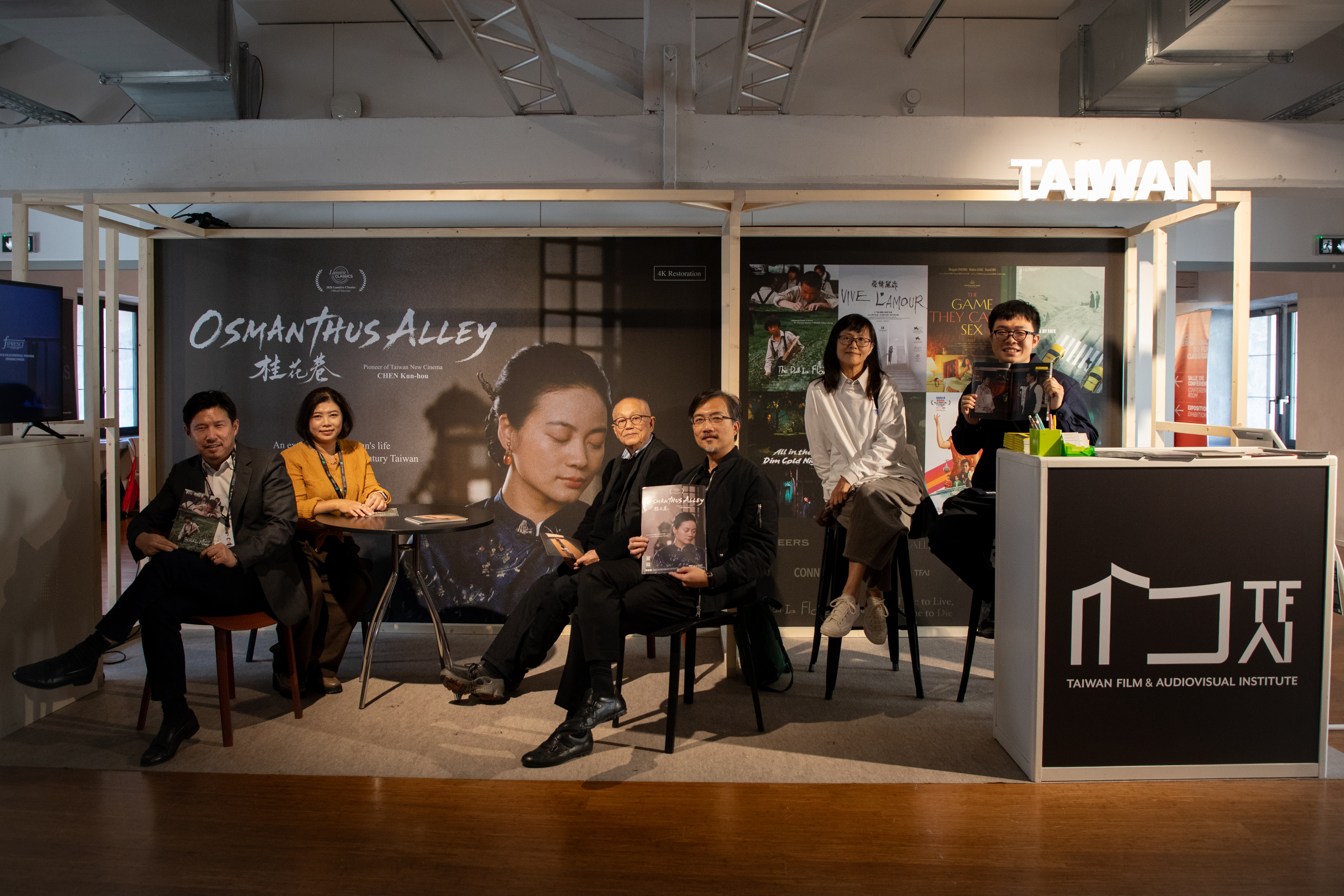
➤ The TFAI team took center stage on October 15 at the MIFC under the theme "Taiwan in Focus.”
➤ TFAI unveiled for the first time its latest digital restoration, director YAO Feng-pan’s All in the Dim Cold Night (1974).
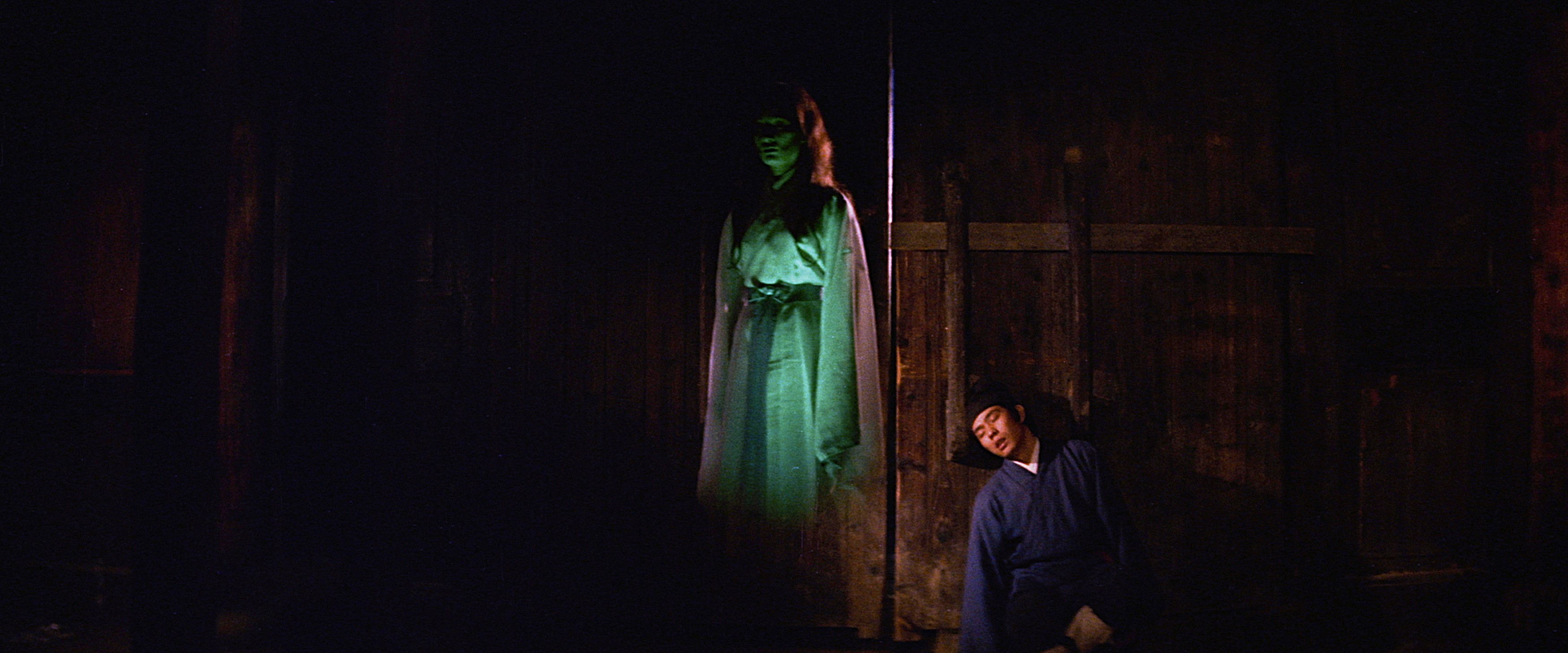
➤ All in the Dim Cold Night (1974), adapted from the Qing dynasty novel Strange Stories from a Chinese Studio, pioneered an entirely new style of horror filmmaking, creating a sensation across Taiwan and Hong Kong.
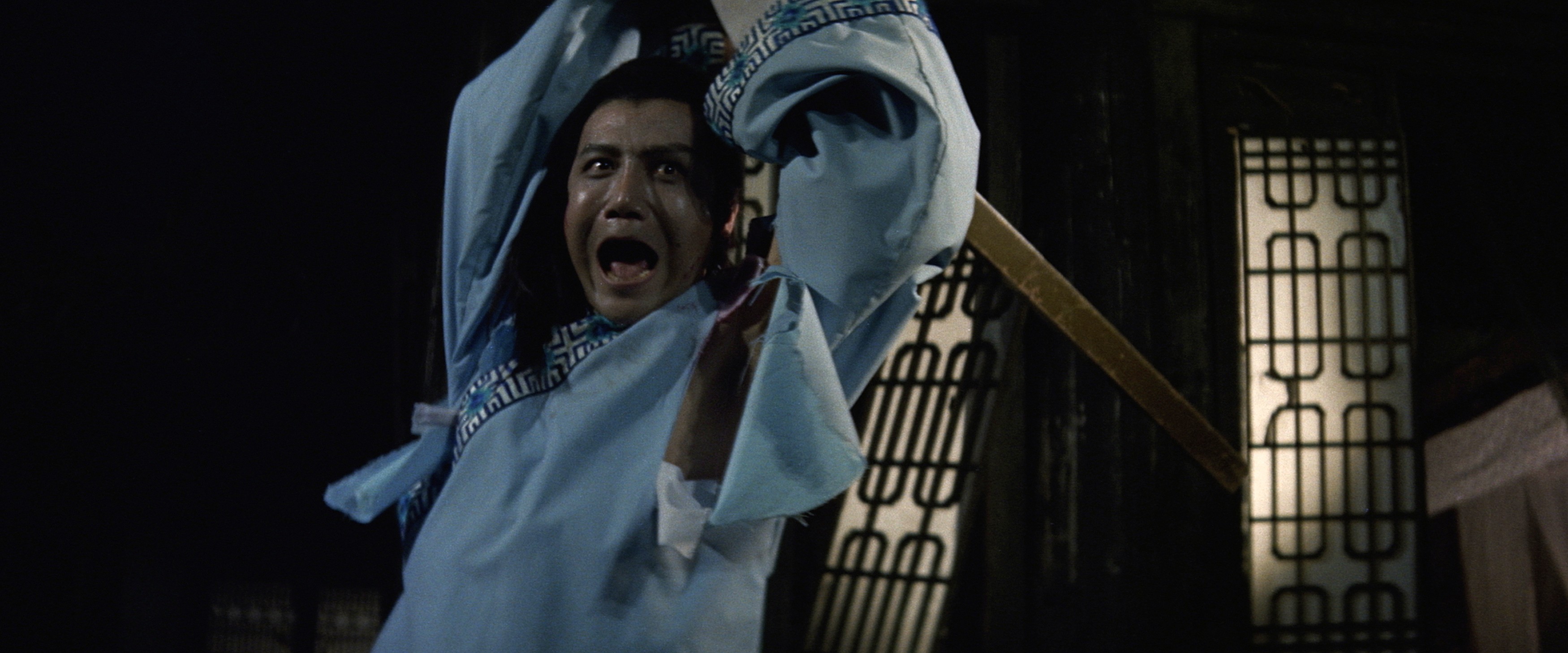
➤ All in the Dim Cold Night (1974) cemented YAO Feng-pan’s reputation as the "King of Ghost Films."
➤ At the market, international distributors were blown away by the trailer of All in the Dim Cold Night (1987).
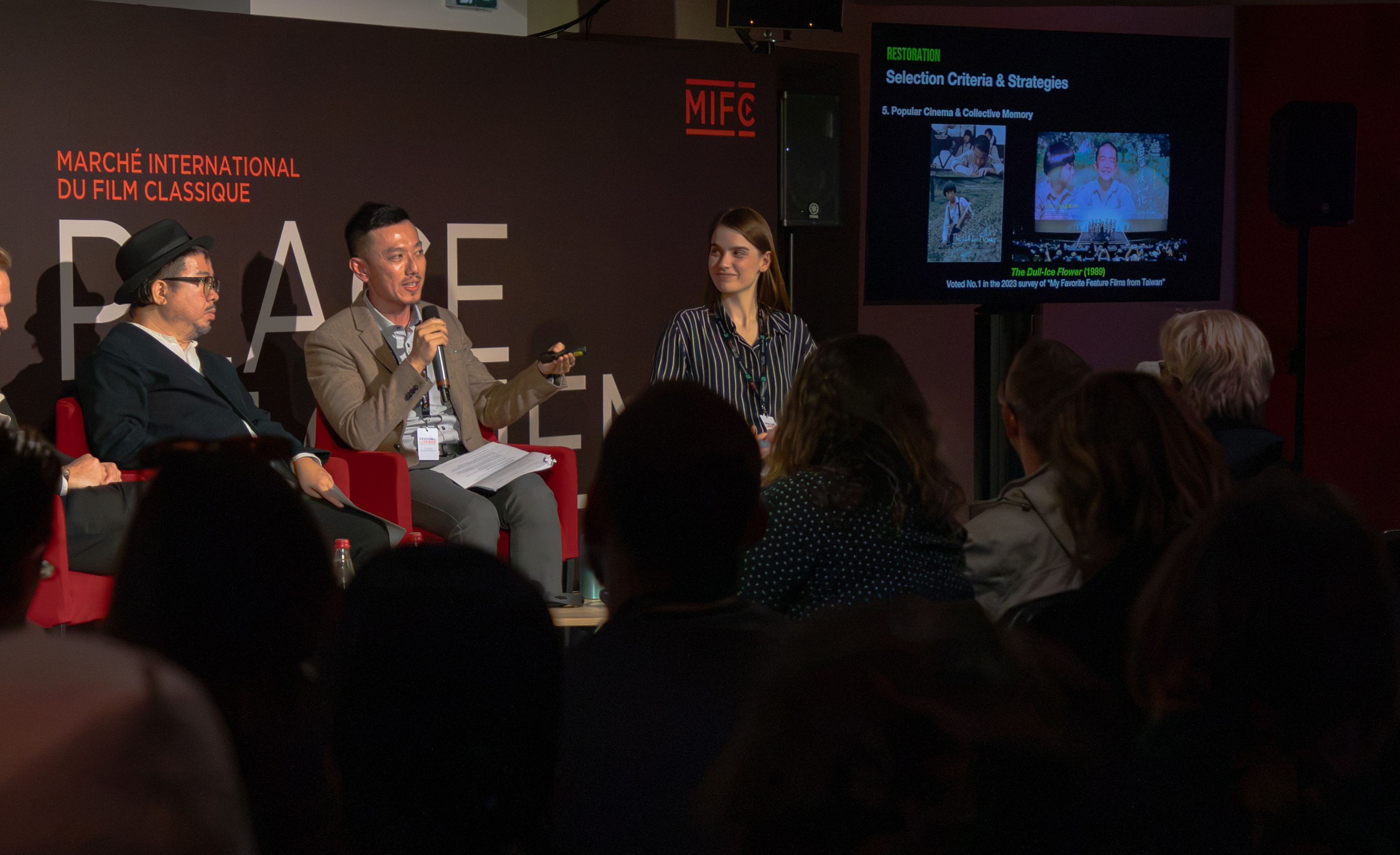
➤ The dedicated panel at the MIFC, themed "Taiwanese Cinematic Heritage: Preserving the Past, Shaping the Future," presented TFAI's achievements in restoration, promotion, and special screenings in recent years.
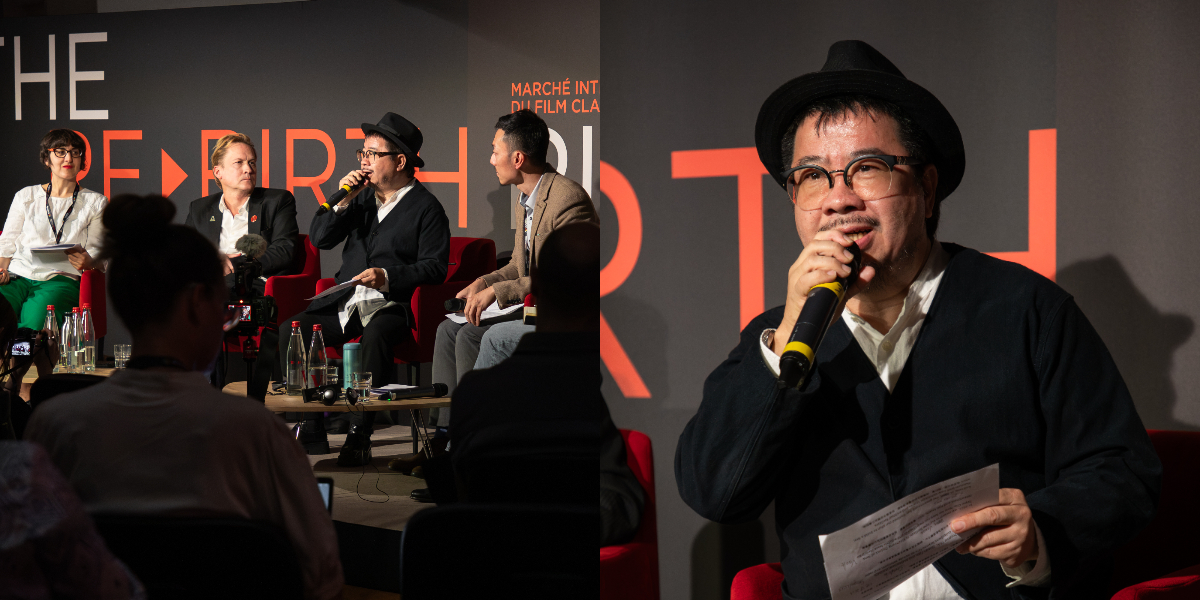
➤ TFAI Chairman Arthur CHU stated: "We look forward to seeing Taiwan's film and audiovisual heritage reach even more audiences in the future.”
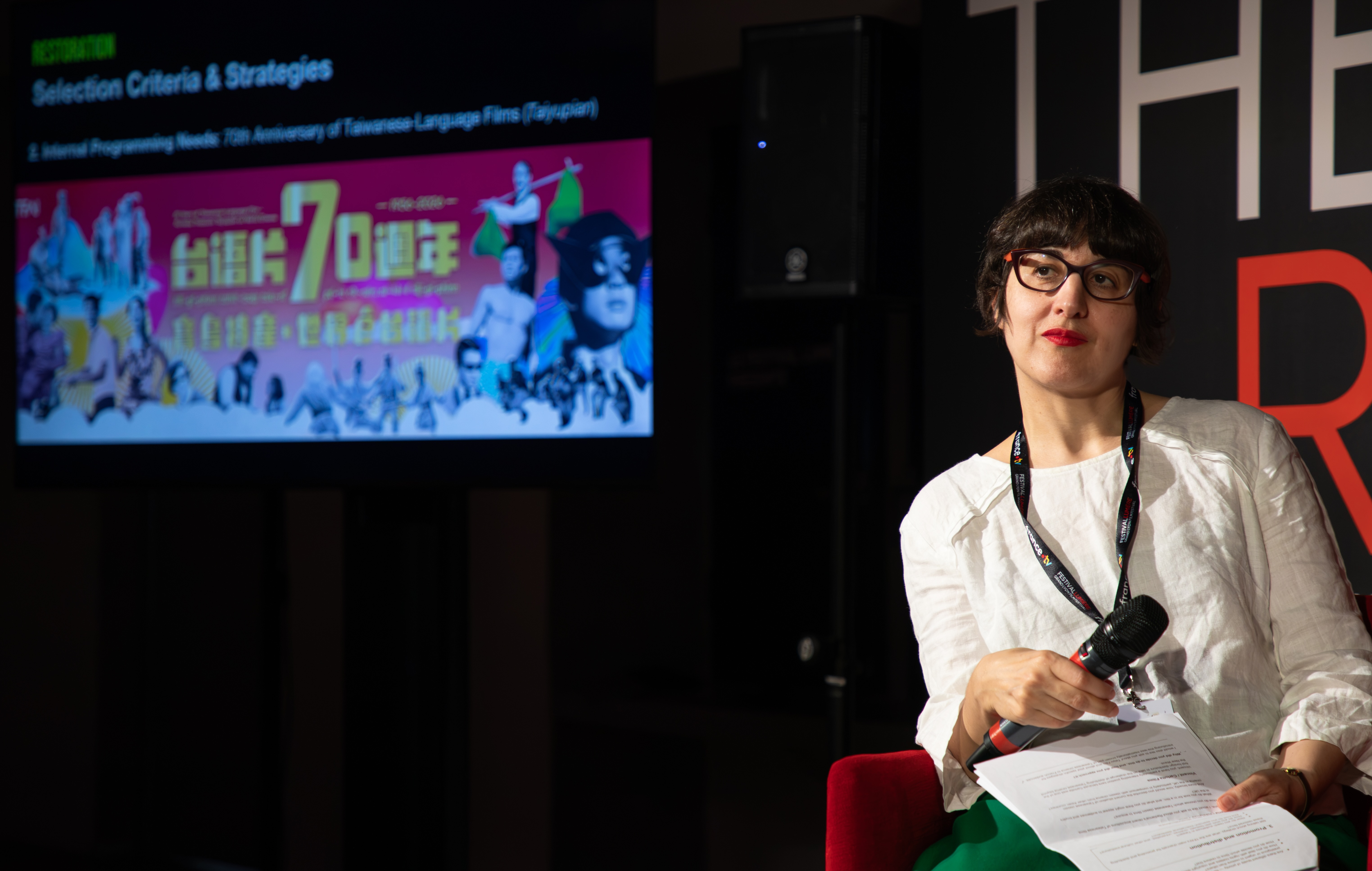
➤ TFAI presented at the MIFC the annual event celebrating the 70th anniversary of Taiwanese-language cinema: “Taiyupian as World Cinema: 70 Years and Beyond.” The forum was moderated by Wafa GHERMANI, a scholar specializing in Taiwanese cinema and former Deputy Director of Collections and Promotion at the Cinémathèque Française.
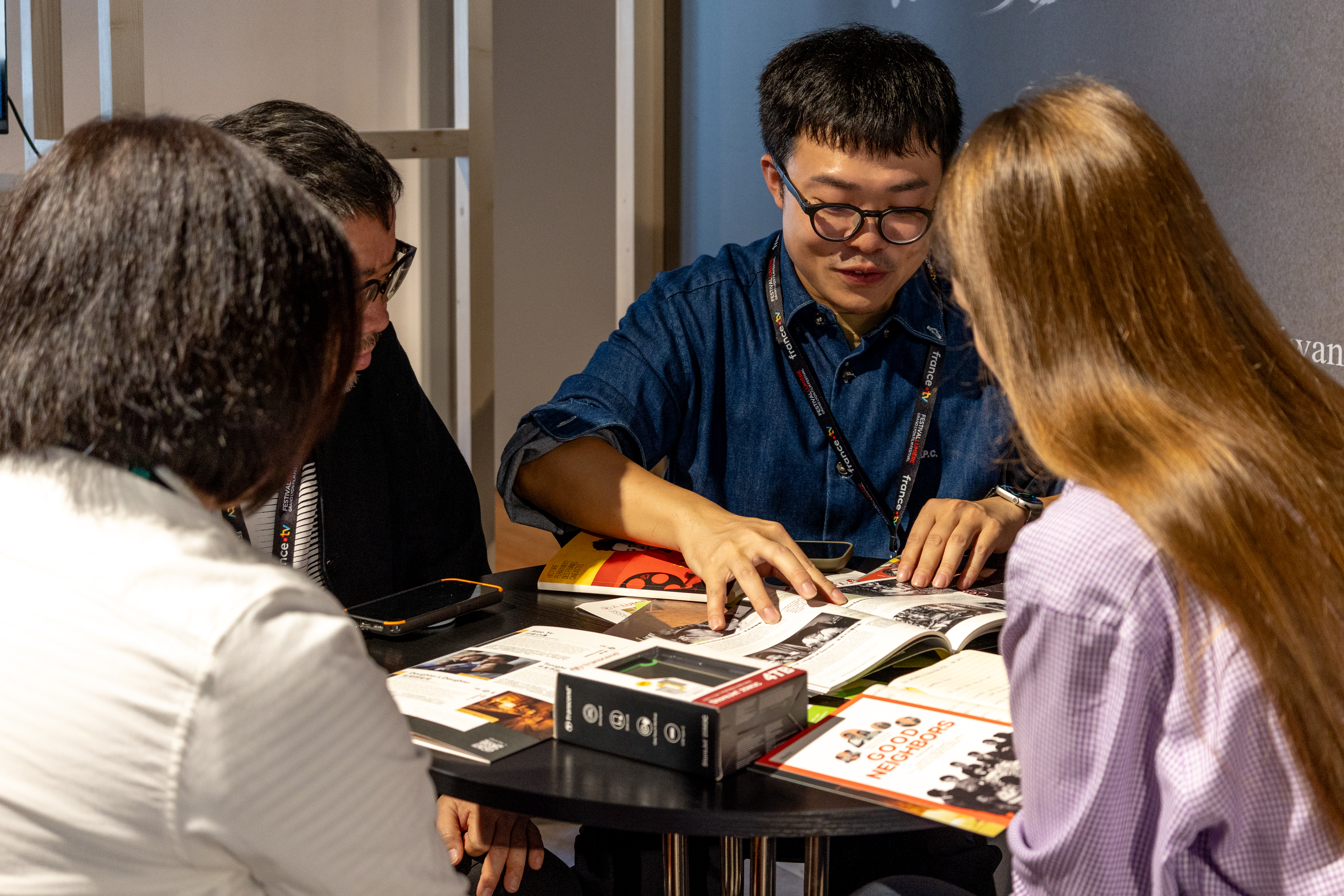
➤ The TFAI team presents Taiwan's rich and diverse film, television, and audiovisual heritage
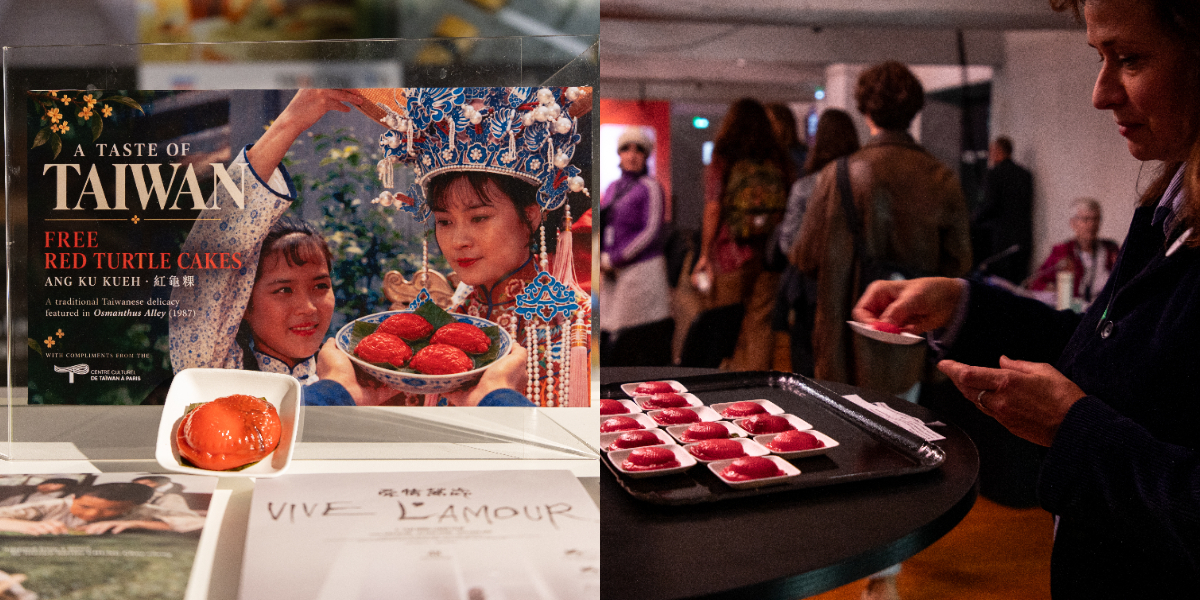
➤ Taiwanese sweets were specially prepared and served at the networking reception, allowing the island’s charm to not only resonate through the silver screen, but also enchant the attending guests through a direct experience with its culinary culture.