
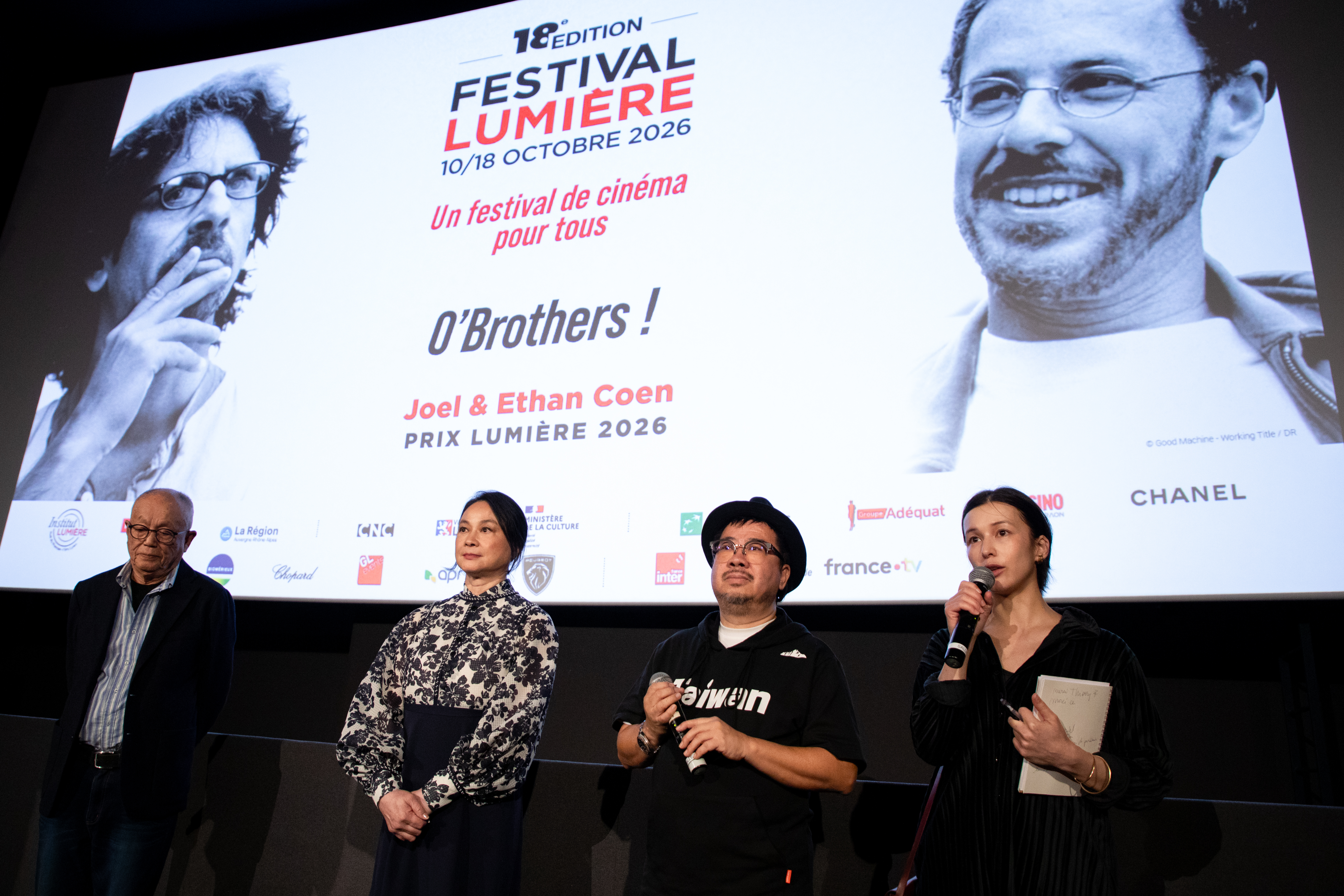
CHEN Kun-hou's Osmanthus Alley (1987), newly restored in 4K by the Taiwan Film and Audiovisual Institute (TFAI), was selected for the Lumière Classics section of this year's Lumière Film Festival in France and held its world premiere on the evening of October 12, local time. TFAI Chairman Arthur CHU, director CHEN Kun-hou, and the film's lead actress and Golden Horse Best Actress winner LU Hsiao-fen all arrived in Lyon on October 10, joining renowned international film figures including Joel and Ethan COEN, ZHANG Ziyi, TSUI Hark, and Todd HAYNES.
Each year, the Lumière Classics section is dedicated to selecting the year's finest restorations of 20th-century films, paying tribute to film history while giving past classics the opportunity to be rediscovered and introduced to a new generation of audiences. This year, in addition to Osmanthus Alley making its international screen debut in its original Taiwanese-language version, the Marché International du Film Classique (MIFC) is presenting “Taiwan in Focus,” a special program highlighting the results of TFAI's longstanding efforts in the preservation, restoration, and international promotion of Taiwanese cinema. TFAI Chairman Arthur CHU, who also attended the event, further explained the journey of restoring the film, “Osmanthus Alley is one of the most meaningful restoration experiences we have had at TFAI with Taiwanese cinema, because it restored the original language that had once been stripped away. We are deeply grateful for the support of all copyright holders, which has finally made it possible to successfully restore the film to its original state.”
TFAI’s restored films have already made their mark at Lumière on several occasions. In 2018, Lumière presented a retrospective of director King HU, bringing four of his most iconic wuxia films back to the big screen, including A Touch of Zen (1971), while director TSENG Chuang-hsiang's The Woman of Wrath (1984) was screened in 2024. With Osmanthus Alley now selected for Lumière Classics this year, TFAI looks forward to continuing to share more Taiwanese films with audiences around the world through screenings, international forums, industry exchanges, and a variety of other initiatives.
Osmanthus Alley, adapted from HSIAO Li-hung's bestselling novel, delicately portrays the social landscape of early Taiwan, tracing the life experiences of women of the era. LU Hsiao-fen plays Ti-hong, a girl from a poor fishing village, whose lonely and troubled life seems predestined, evoking a profound sense of sorrow. CHEN Kun-hou has said that Osmanthus Alley is like a “childhood memory” to him, as the story's setting closely mirrors his own experiences growing up. Back then, CHEN insisted on shooting the film entirely in Taiwanese to authentically portray personal emotions and historical realities. However, the Central Motion Picture Corporation (CMPC), in line with the government's Mandarin-language policy at the time, required Osmanthus Alley to be released in Mandarin dubbing. In the end, the Taiwanese-language version received only a handful of screenings at four cinemas, something that pained the director for many years.
Now, more than 30 years later, Osmanthus Alley has been presented to international audiences for the first time in a 4K digital restoration of its original Taiwanese-language version. Not only has this finally made up for CHEN Kun-hou's long-held regret and restored the unique rhythms and emotional nuances of the Taiwanese language, but it has also allowed this precious and deeply moving work of Taiwanese film heritage to take its place in world film history in its most original and authentic form.
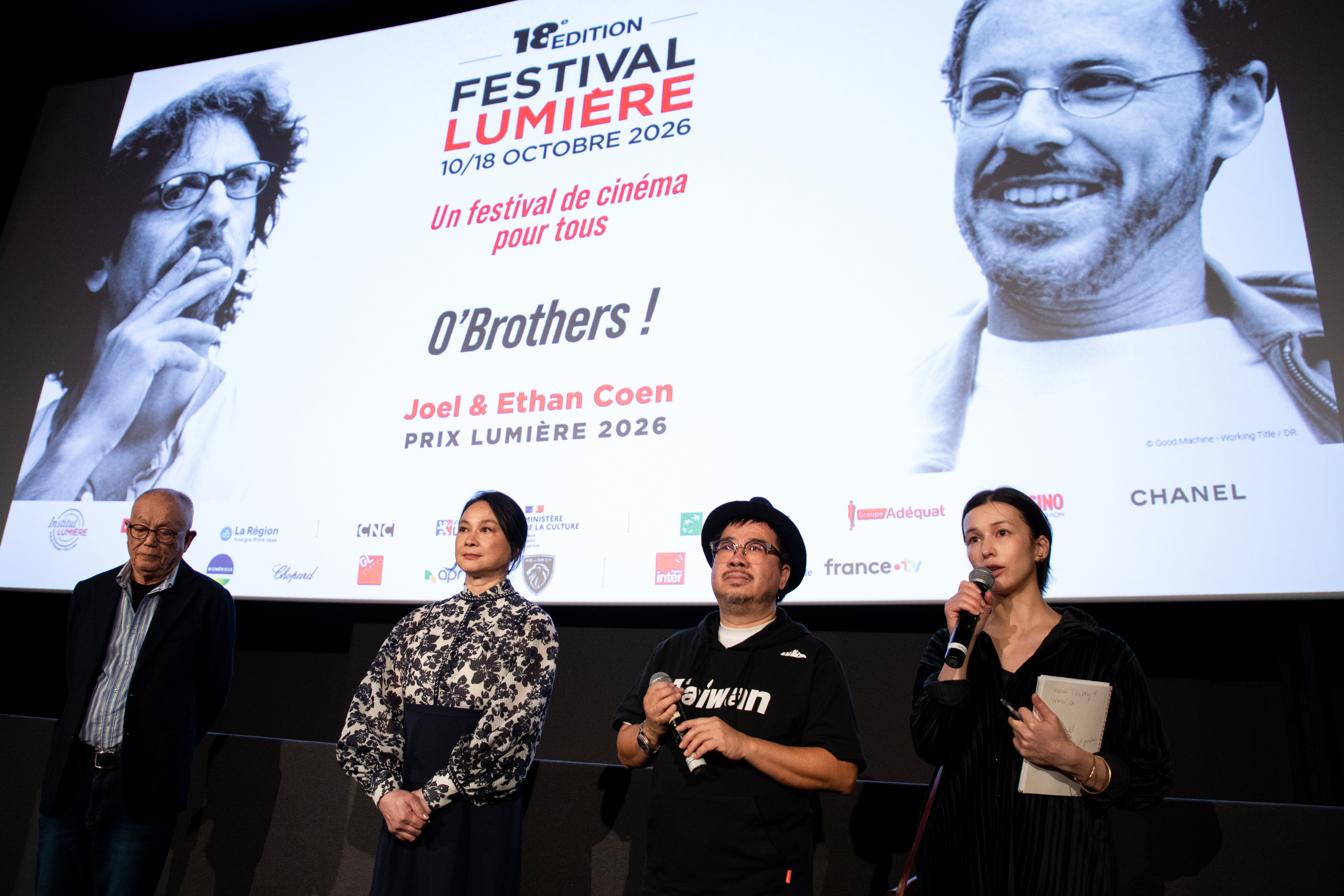
➤ Taiwan Film and Audiovisual Institute (TFAI) recovered the original Taiwanese soundtrack to digitally restore Osmanthus Alley (1987), which held its world premiere at the Lumière Film Festival, a world-class realm for restored classics. (Courtesy of TFAI)

➤ TFAI Chairman Arthur CHU stated: Osmanthus Alley (1987) restored the original language that had once been stripped away, making it particularly meaningful. (Courtesy of TFAI)
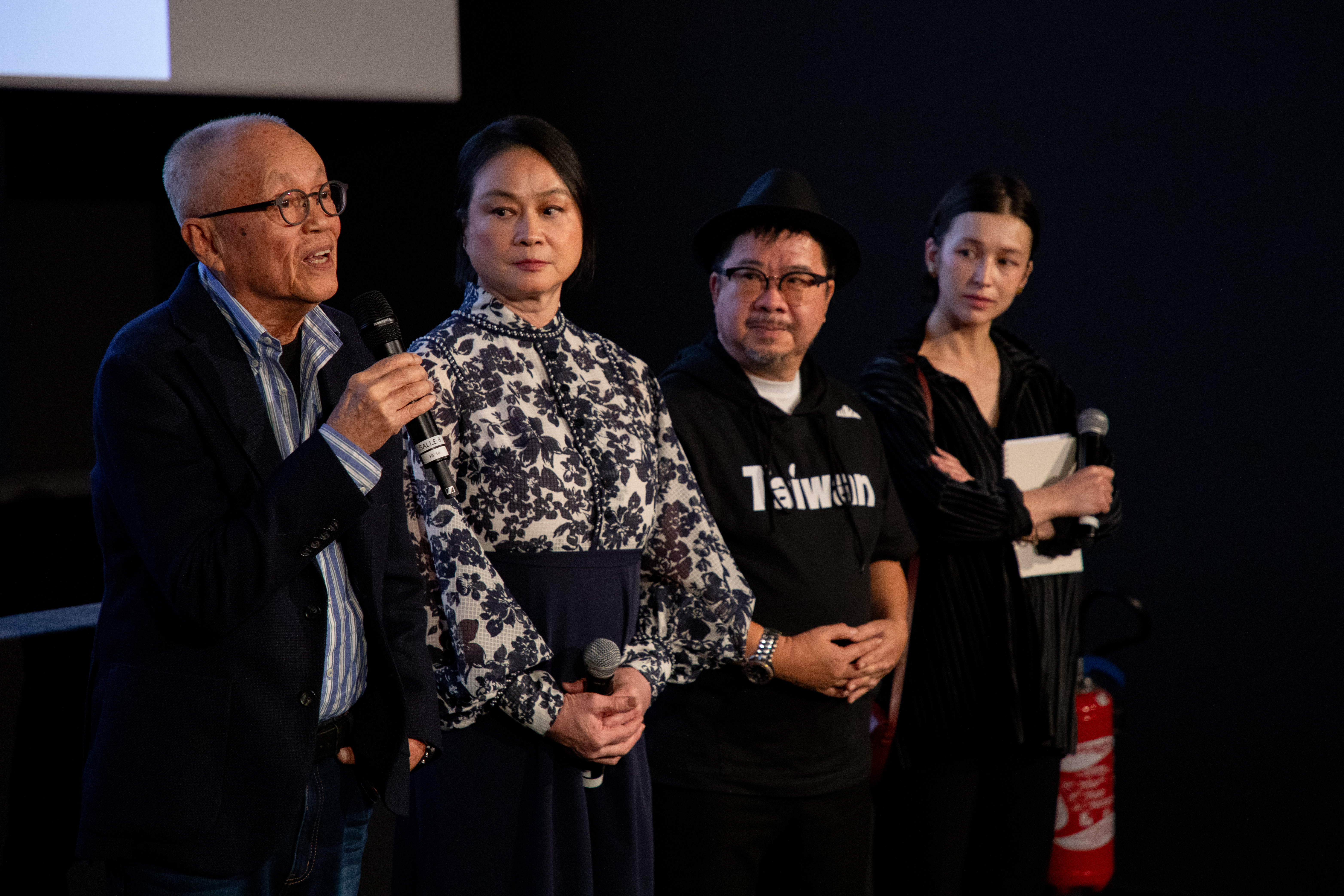
➤ Director CHEN Kun-hou emotionally expressed: “Taiwanese-langauge is undoubtedly one of the main characters in Osmanthus Alley (1987).” (Courtesy of TFAI)
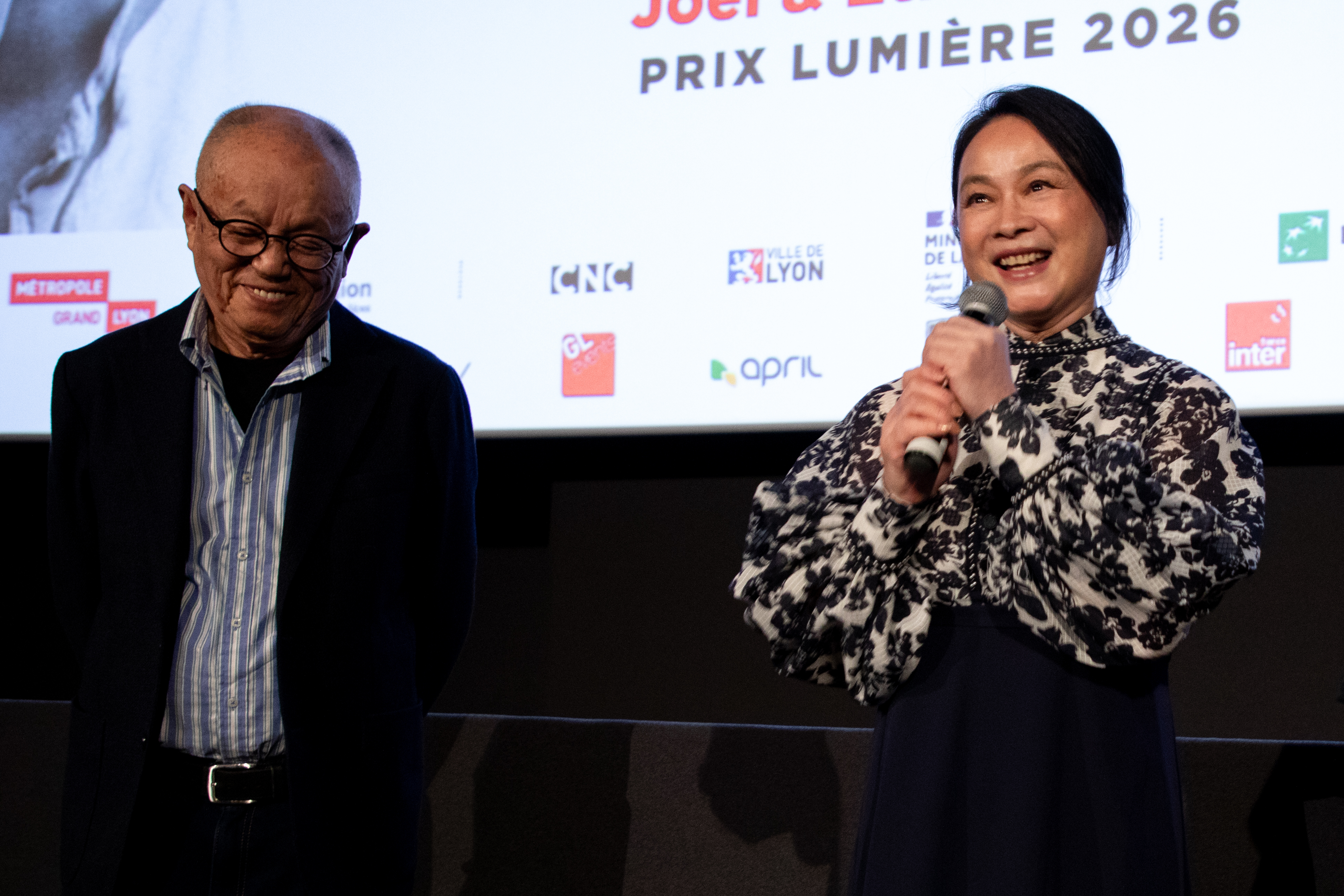
➤ Golden Horse Best Actress winner LU Hsiao-fen remarked: After 39 years, this “osmanthus flower” has bloomed once again—the older it gets, the sweeter its scent! (Courtesy of TFAI)
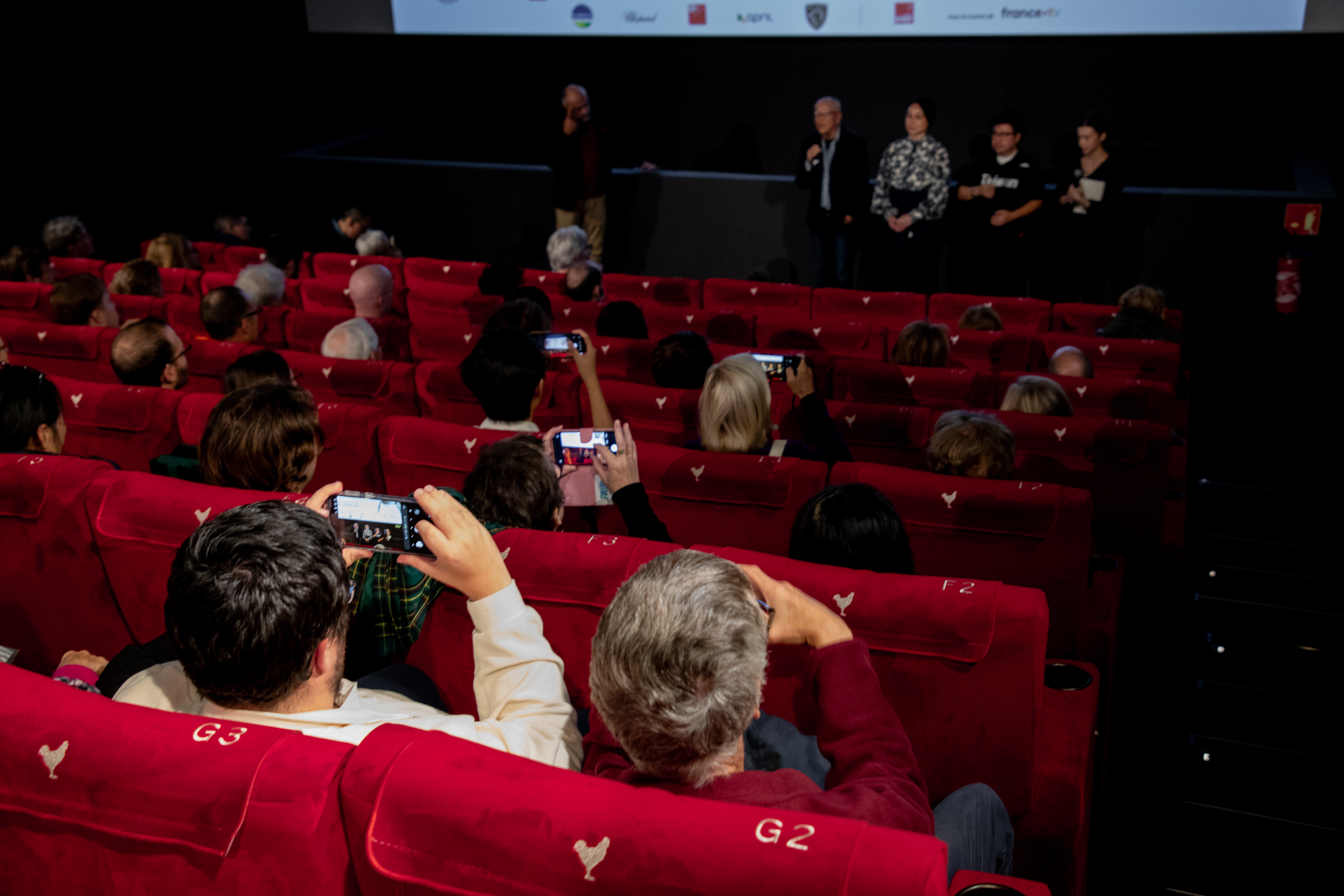
➤ The world premiere of the digitally restored Osmanthus Alley (1987) was packed to capacity! The audience responded with full enthusiasm when the filmmakers appeared. (Courtesy of TFAI)
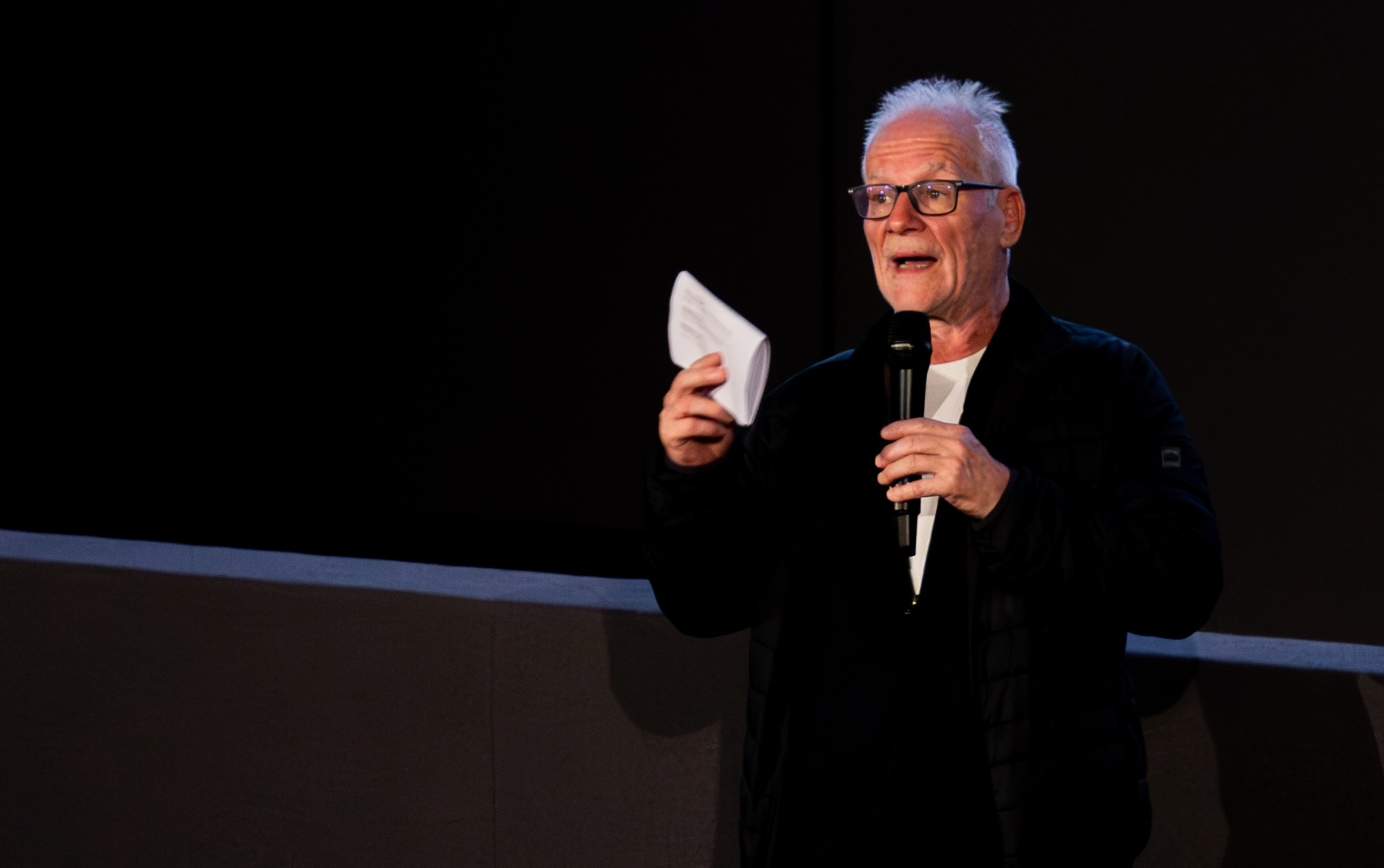
➤ Thierry Frémaux, Director of the Lumière Film Festival, personally attended the world premiere of Osmanthus Alley (1987) and praised it highly: “This is a masterpiece of classic restoration from Taiwan, a great nation of cinema!” (Courtesy of TFAI)
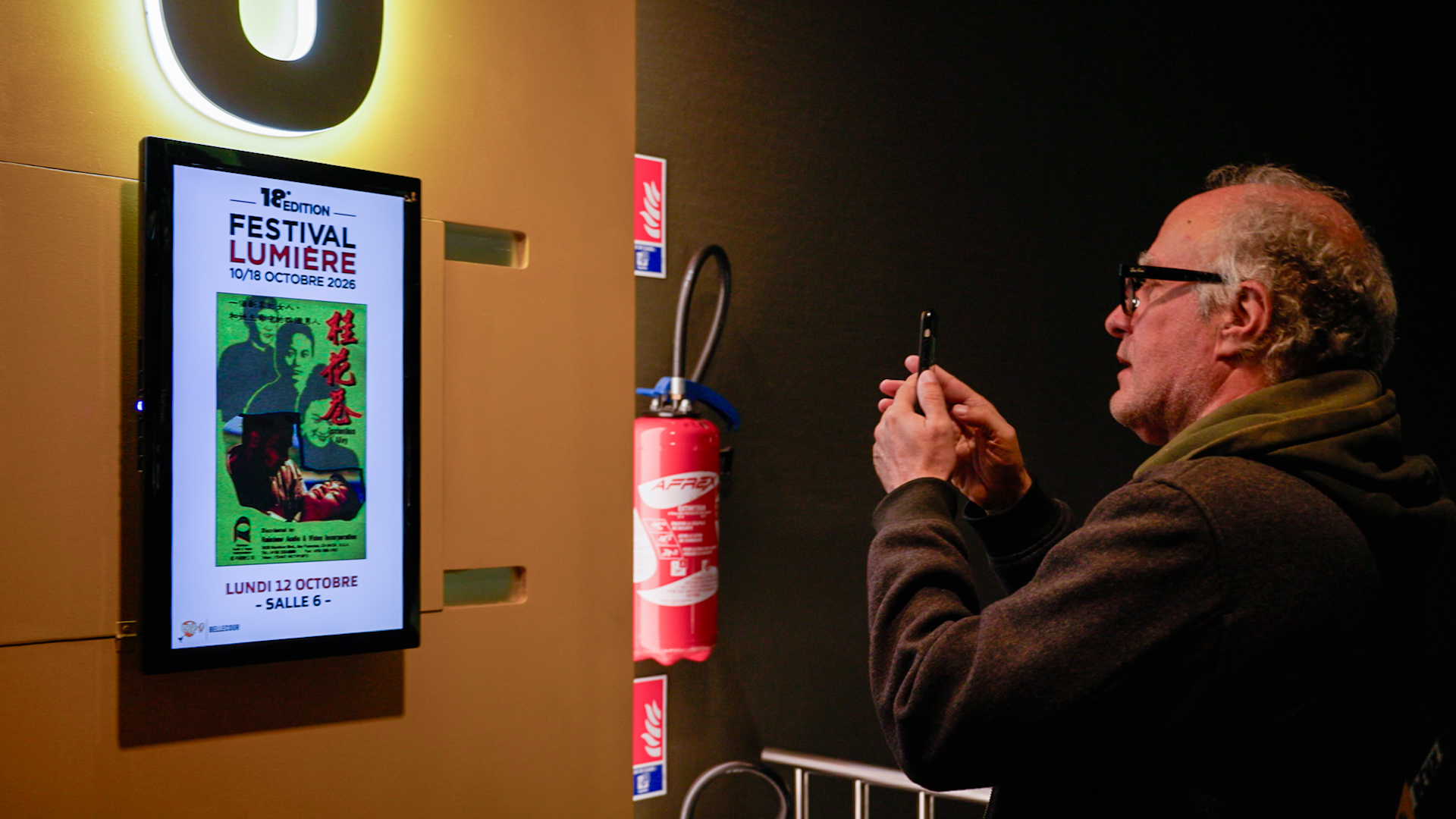
➤ French audiences gave high praises to Osmanthus Alley (1987), a representative piece of Taiwanese restoration. (Courtesy of TFAI)
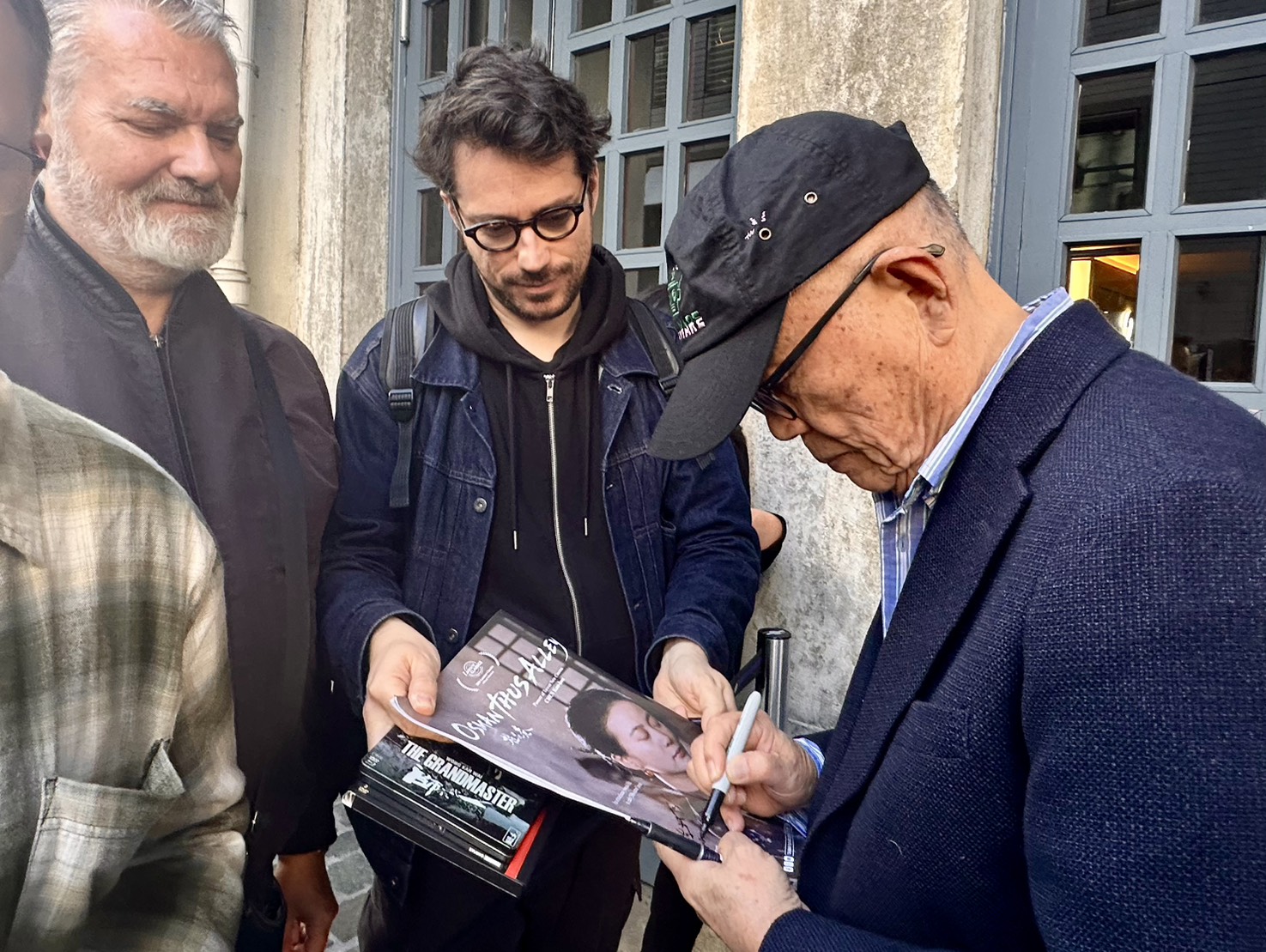
➤ Enthusiastic French audience members surrounded director CHEN Kun-hou after the screening of Osmanthus Alley (1987), asking for autographs and photos. (Courtesy of TFAI)
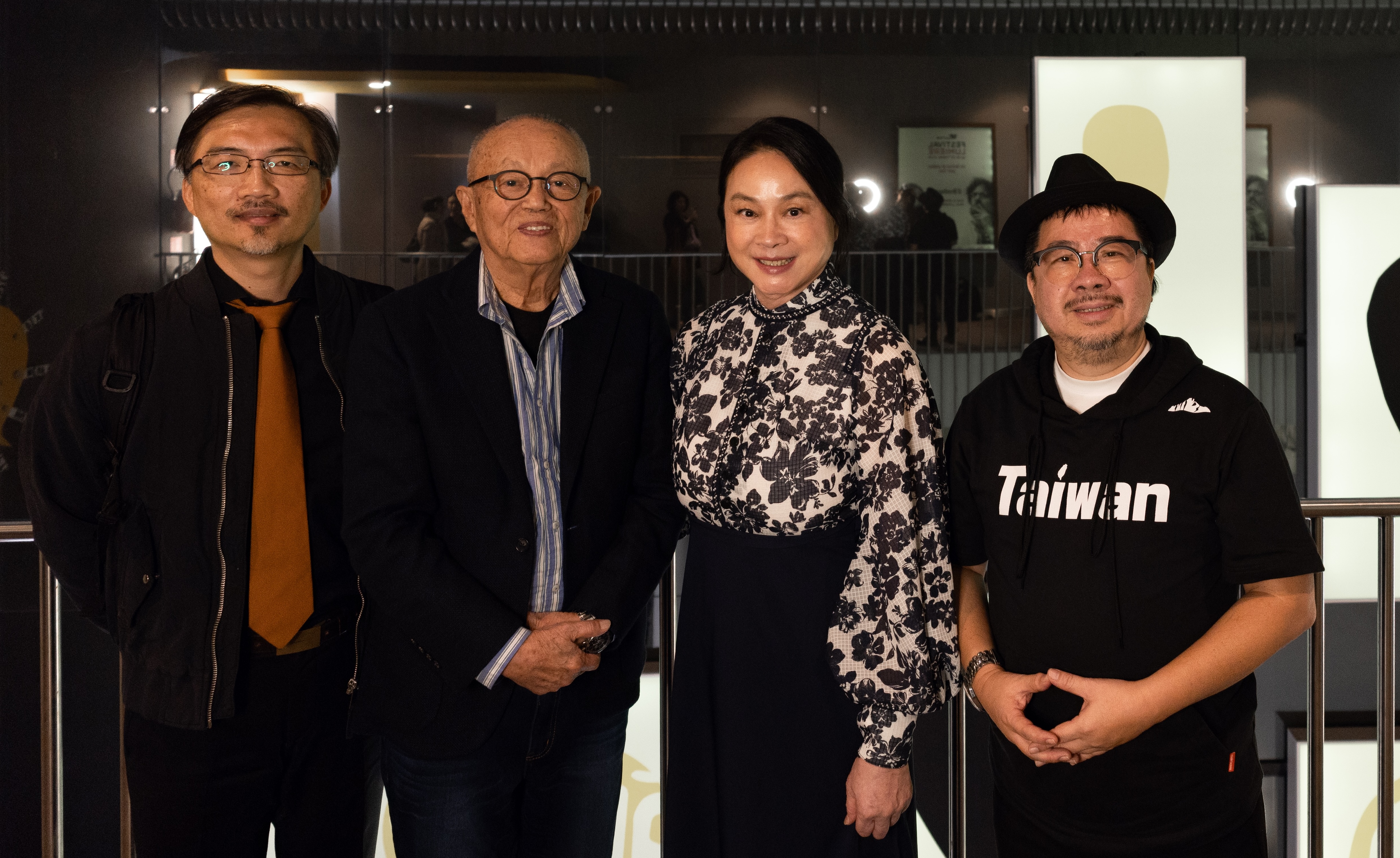
➤ The Taiwan Film and Audiovisual Institute (TFAI) and the creative team of Osmanthus Alley (1987) arrived at the Lumière Film Festival. From left: CHEN Hung-sing, Director of the Taiwan Cultural Center in France; Director Chen Kun-hou; Best Actress winner LU Hsiao-fen; and Arthur CHU, Chairman of TFAI. (Courtesy of TFAI)
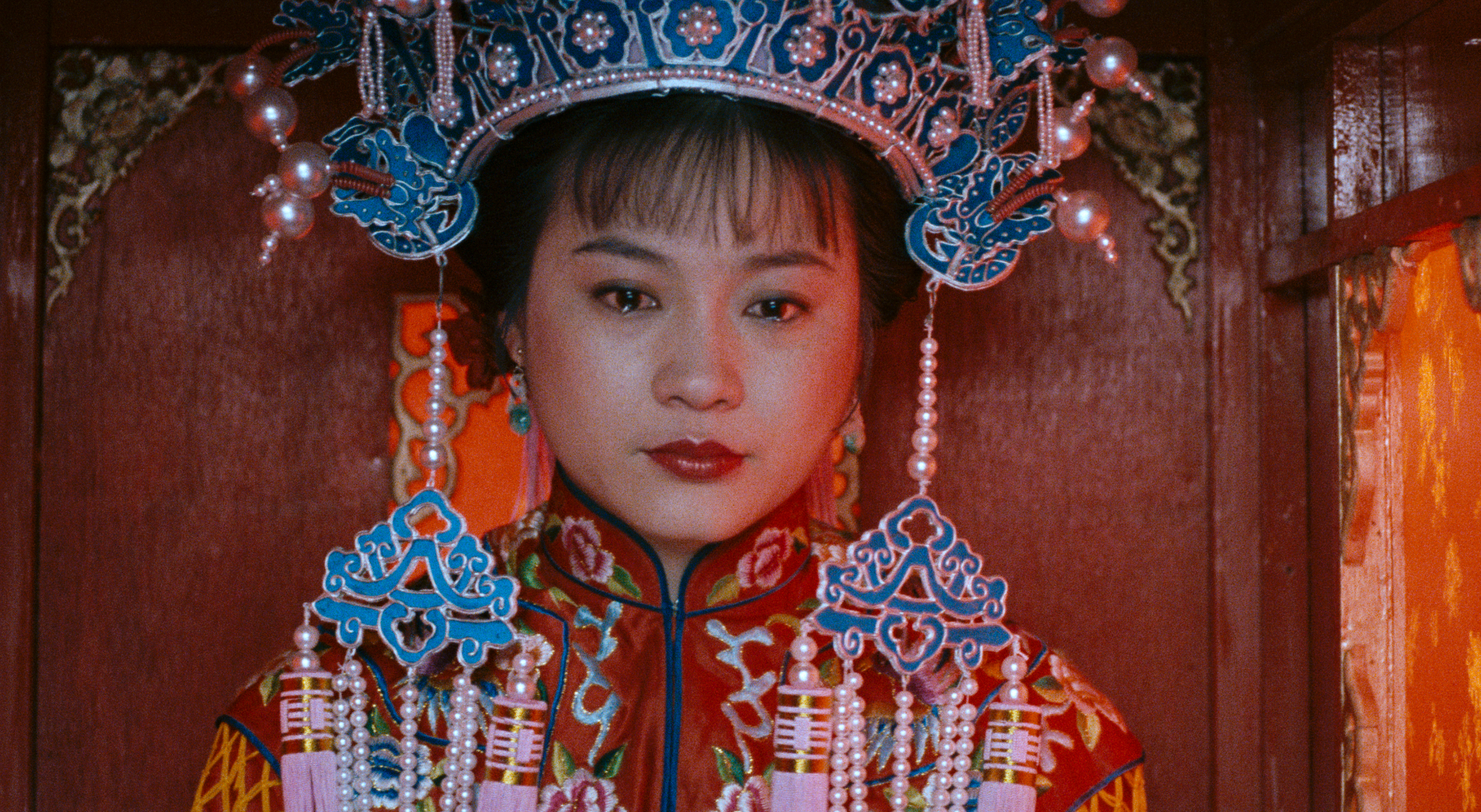
➤ LU Hsiao-fen plays KAO Ti-hung in Osmanthus Alley (1987), a woman born in a poor fishing village whose lonely and troubled life evokes a profound sense of sorrow. (Courtesy of TFAI)
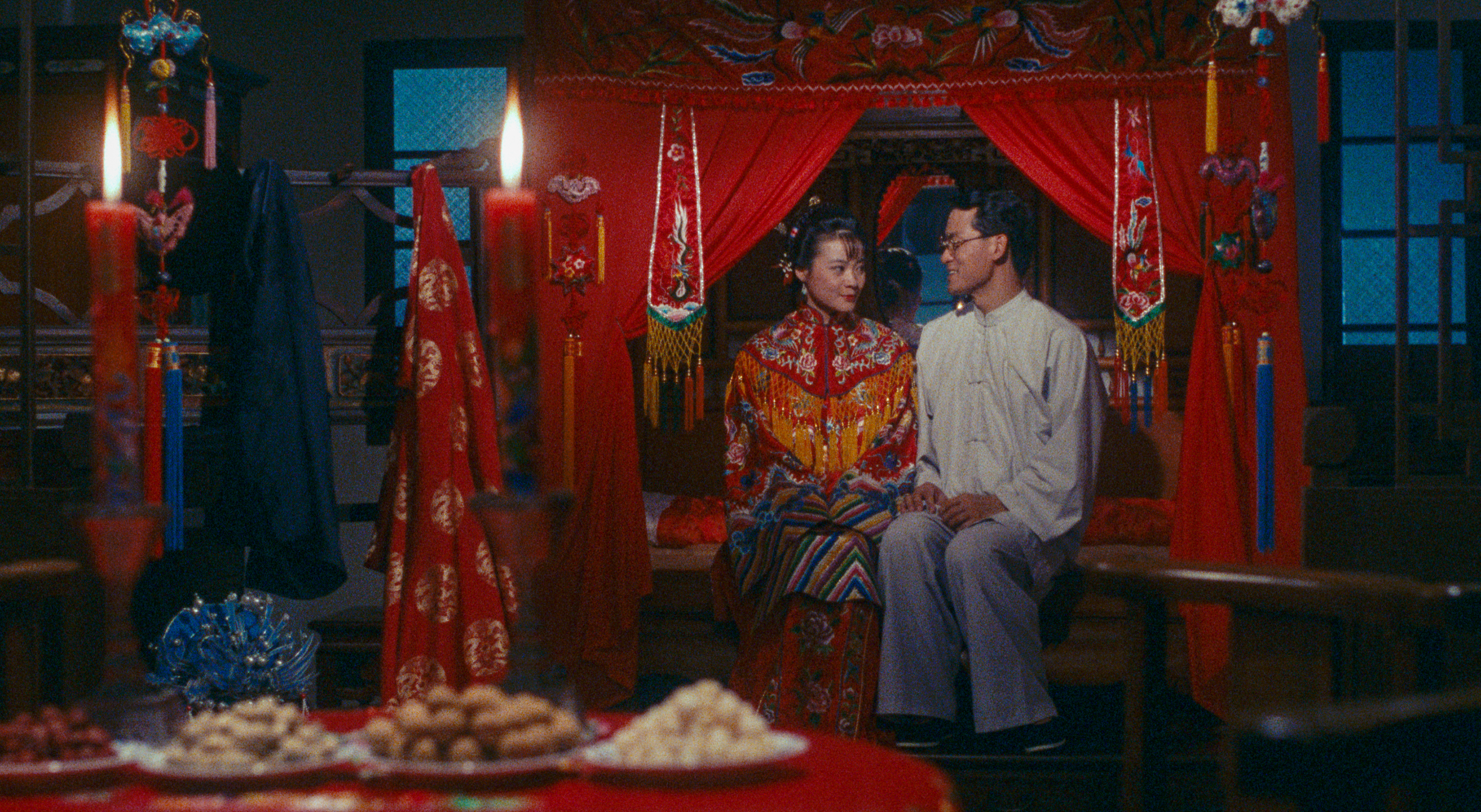
➤ Osmanthus Alley (1987) features a dream ensemble cast including LU Hsiao-fen (left) and Wakin CHAU (right). (Courtesy of TFAI)
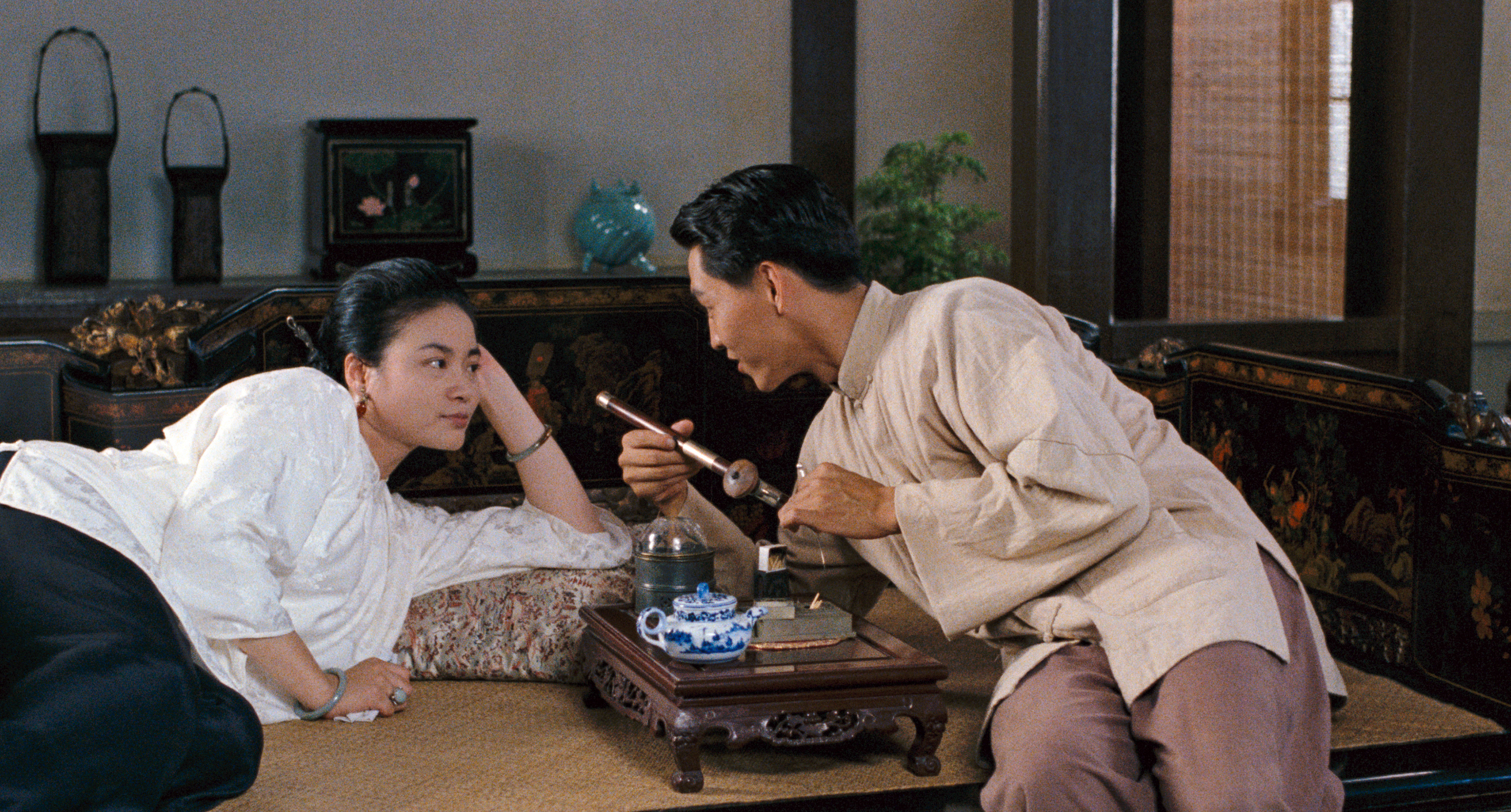
➤ The original novel of Osmanthus Alley (1987) portrays the life of a wealthy family in early Taiwan. (Courtesy of TFAI)
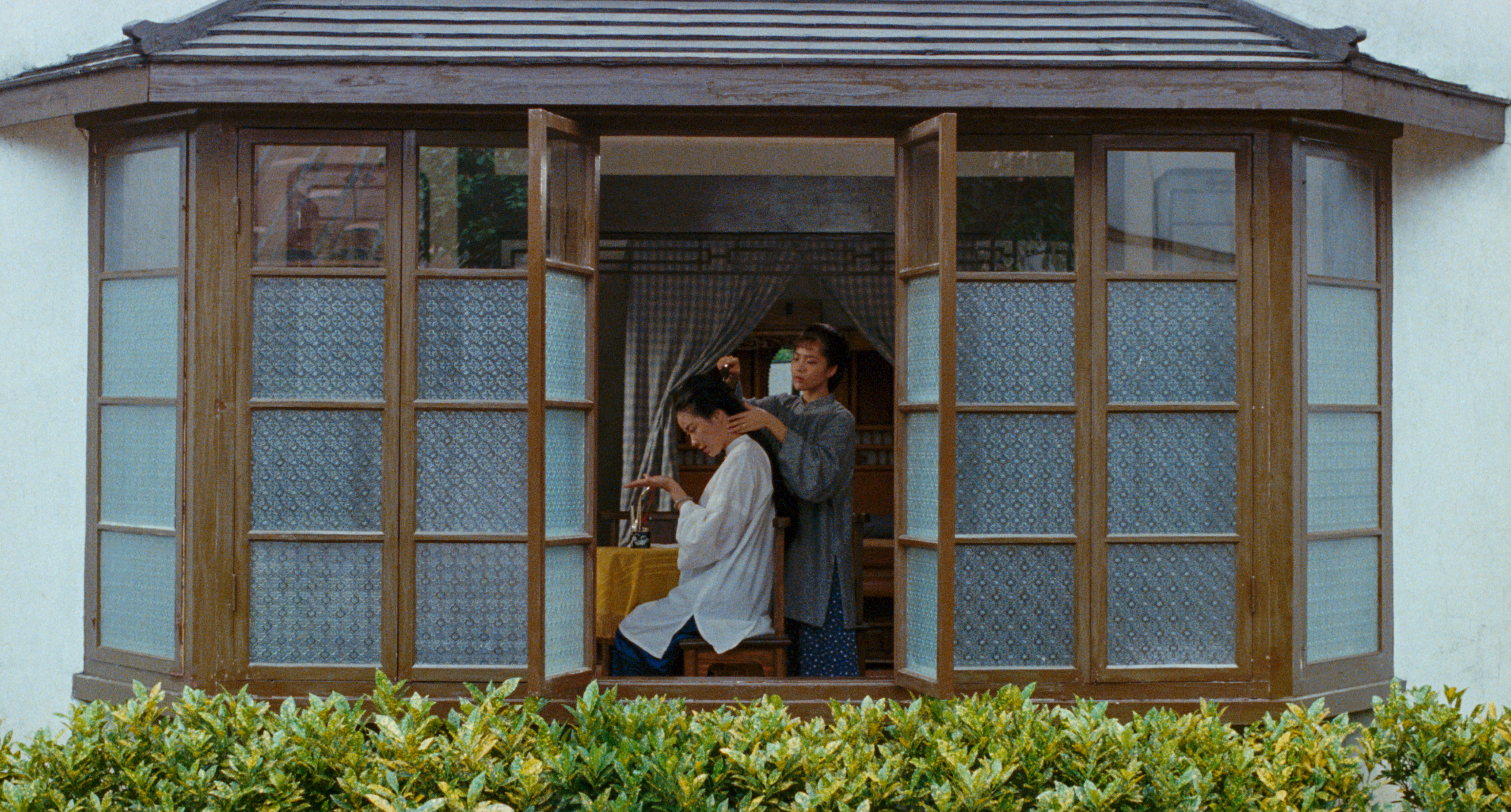
➤ Director CHEN Kun-hou expressed that the film Osmanthus Alley (1987) feels "just like a childhood memory." (Courtesy of TFAI)