
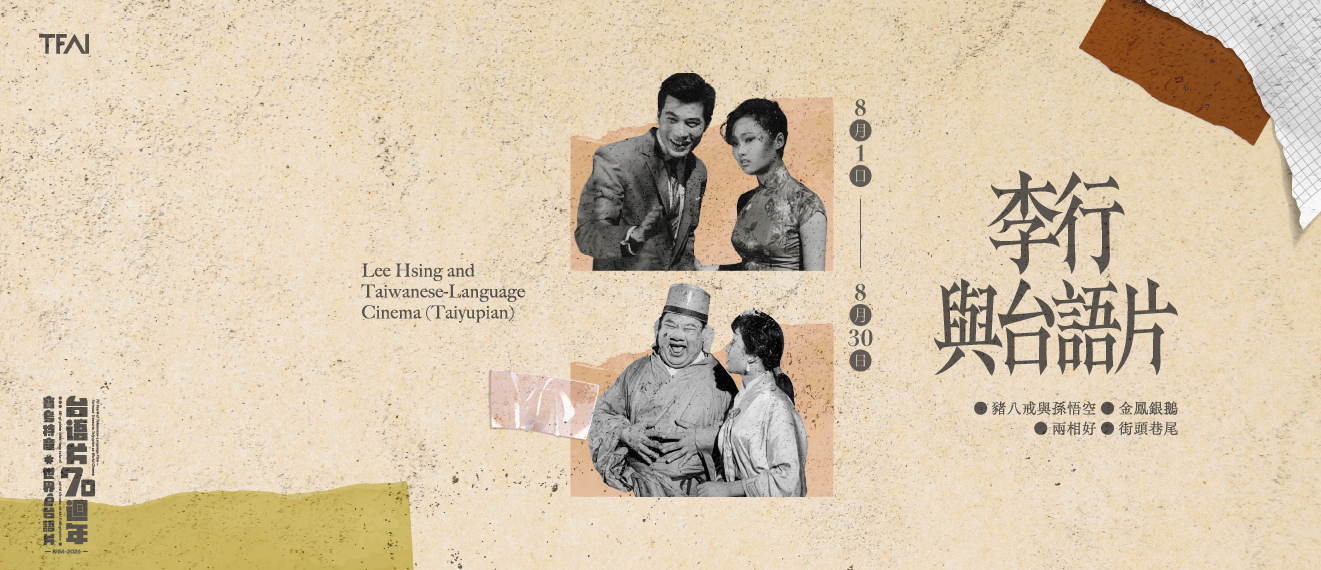
Celebrated as the “godfather of Taiwan cinema,” director LEE Hsing collaborated with the Central Motion Picture Corporation (CMPC) to pioneer the Healthy Realism movement, creating classics such as Beautiful Duckling (1965) and The Story of a Small Town (1979) that opened a new chapter in Taiwan cinema. Yet before that, he had already directed numerous Taiwanese-language films (“Taiyupian”), including Brother Wang and Brother Liu Tour Taiwan (1959), helping to spark a wave of Taiyupian comedies and revealing a creative range far broader than one might imagine. As part of the Taiwan Film and Audiovisual Institute’s celebrations for the 70th anniversary of Taiwanese-language cinema, the “Formosa Treasure: Taiyupian as World Cinema” series will present the August special program, “Lee Hsing and Taiwanese-Language Cinema (Taiyupian),” featuring four films from the director’s independent production era. Audiences may be shocked to discover that more than 60 years ago, this Golden Horse Award-winning director was already exploring daring stories such as a female same-sex romance and Zhu Bajie’s comic pursuit of love in Journey to the West!
With HOU Hsiao-hsien as his former script supervisor and assistant director, and Kevin CHU regarded as his final protégé, LEE Hsing’s influence on Taiwan Cinema runs deep. As a China-born filmmaker working in the Taiwanese-language film market, he directed 12 Taiyupian between 1958 and 1963. He blended elements of Chinese cinema, traditional opera, Japanese cinema, and Western comedy, distilling this rich cultural hybridity into works unmistakably rooted in the local character of Taiyupian. Two Friends (1959), adapted from the fantastical world of Journey to the West, carries forward the hugely popular comic style of Brother Wang and Brother Liu Tour Taiwan (1959) and once again stars “Brother Wang,” LEE Kuan-chang, this time in the lead role of Zhu Bajie. Lecherous, lazy, and far from handsome, Zhu Bajie is no revered hero. He stumbles from one mishap to another on the journey to retrieve the Buddhist scriptures, yet his deeply human flaws make him endear to audiences. In the film, Zhu Bajie sings a humorous adaptation of the Taiwanese folk song “Diu Diu Dang Ah,” poking fun at himself with lyrics such as, “Though I may be a little ugly,” and “Everyone laughs at me for being a lecherous pig.” Beloved Taiwanese singer CHI Lu-hsia was among those invited to perform the songs behind the scenes, revealing through the film's playful spirit the mutually reinforcing relationship between Taiyupian and the pop music industry.
In The Royal Society (1962), the only Taiwanese opera film LEE Hsing ever directed, Jinfeng and Yin-e, two young women disguising themselves as men, end up falling for each other’s cross-dressed personas, sparking an unexpectedly intimate bond! Featuring performances by the Sai Chin Pao Opera Troupe and shot in just 10 days, its remarkable production speed reflects the hands-on experience LEE Hsing had accumulated working on Taiyupian sets. Far removed from the upright and conservative subjects associated with his later Healthy Realism films, The Royal Society reveals an undercurrent of desire flowing between its two young female protagonists beneath the constraints of social status, arranged marriage, and the traditional family order, showcasing the uninhibited vitality of Taiyupian.
Good Neighbors (1962) uses broad comedy to depict the fateful ties between two families. Dr. Huang, a Taiwanese physician practicing Western medicine, and Dr. Chen, a mainland Chinese practitioner of traditional Chinese medicine, live side by side. Constantly at odds because of differences in language and custom, their interactions give rise to one comic situation after another. Borrowing the narrative framework of Hong Kong's The Greatest Civil War on Earth series to explore ethnic conflict, Good Neighbors interweaves Taiwanese and Mandarin dialogue throughout. The film marks an important turning point in LEE Hsing’s transition from Taiwanese-language cinema to Mandarin-language cinema, while also serving as the screen debut of actress WANG Man-chiao, who would later in her career become affectionately known as Taiwan's “National Grandma.” More precious still, the film concludes with documentary footage of temple festival processions, preserving the folk customs of Taiwan at the time through a quasi-ethnographic approach.
LEE Hsing’s first Mandarin-language film, Our Neighbor (1963), portrays the everyday lives of ordinary people. Having come to Taiwan from China, Shih San-tai and Chen A-fa live together in a crowded urban tenement, looking after one another. Shih San-tai, who makes a living collecting scrap, develops a deep father-daughter bond with the orphan Hsiao-chu, while Chen A-fa and neighbor Chu Li-li unwittingly fall for each other. Our Neighbor’s finely observed visual imagery is the work of master cinematographer LAI Cheng-ying, whose lens vividly captures the environment and atmosphere of life at the bottom of society. It also retains a small amount of Taiwanese dialogue and features Taiyupian star HO Yu-hua in a supporting role. The traces of LEE Hsing's Taiyupian experience remain clearly visible, while also foreshadowing the direction his later filmmaking would take.
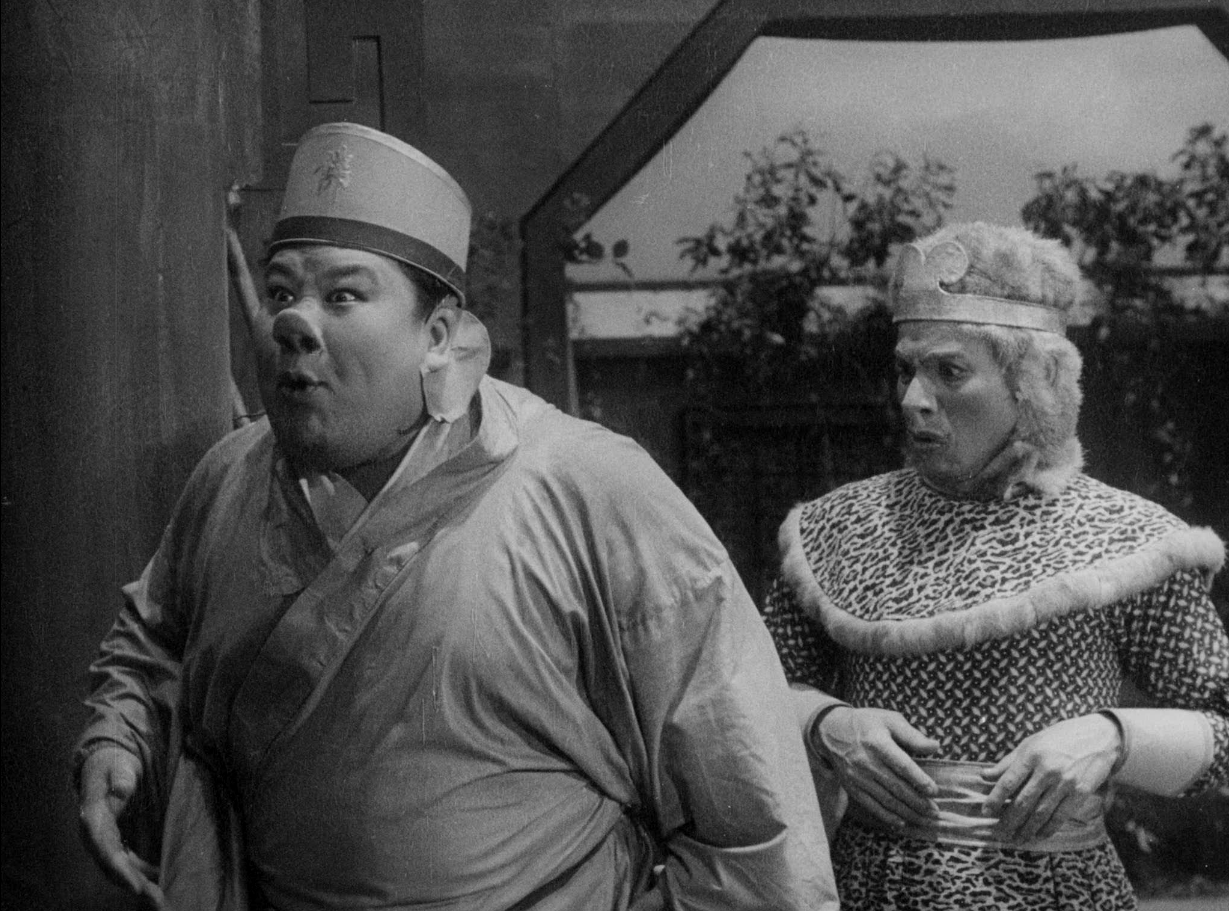
Two Friends (1959) stars LI Kuan-chang (left), the “Brother Wang” from Brother Wang and Brother Liu Tour Taiwan, as protagonist Zhu Bajie. (Courtesy of TFAI)
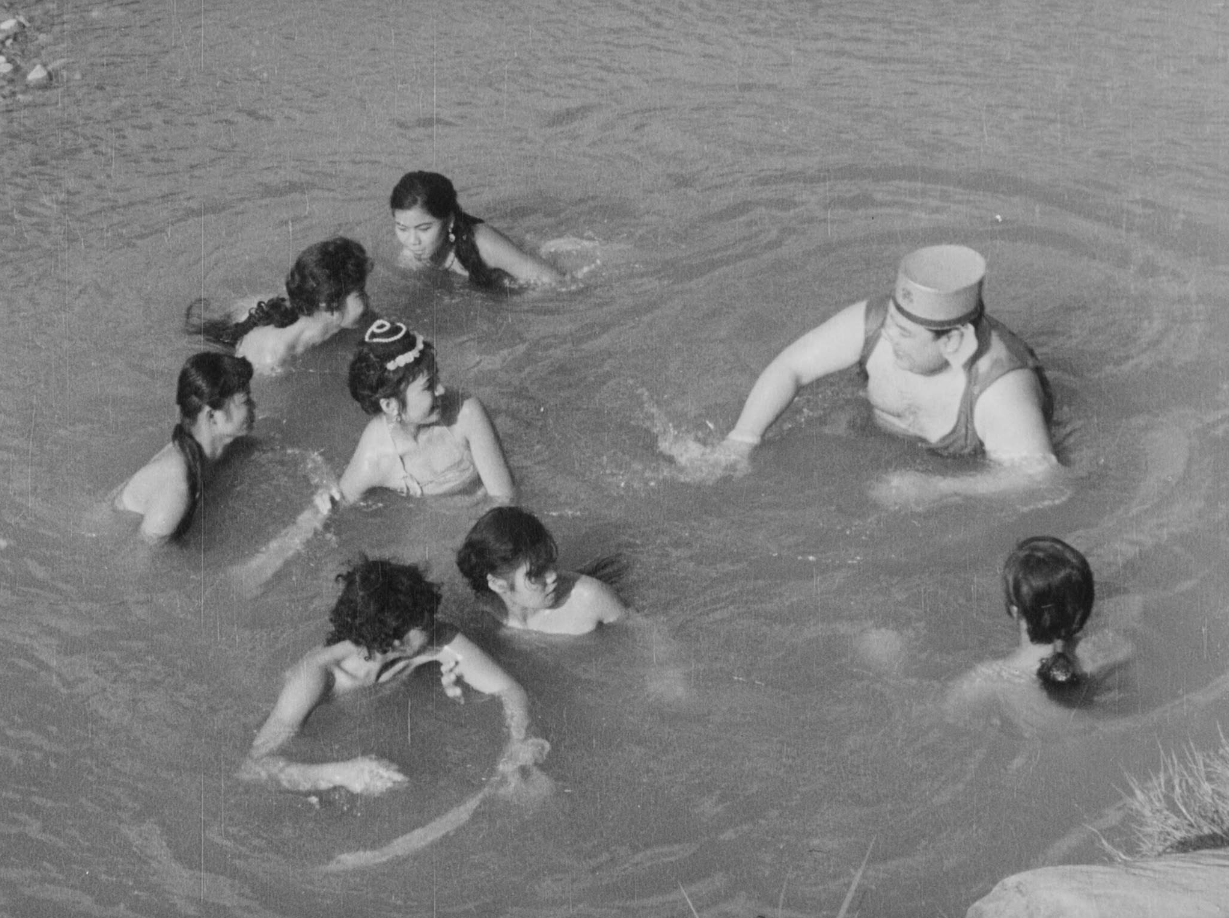
The Zhu Bajie in Two Friends (1959) is lecherous, lazy, and far from handsome. (Courtesy of TFAI)
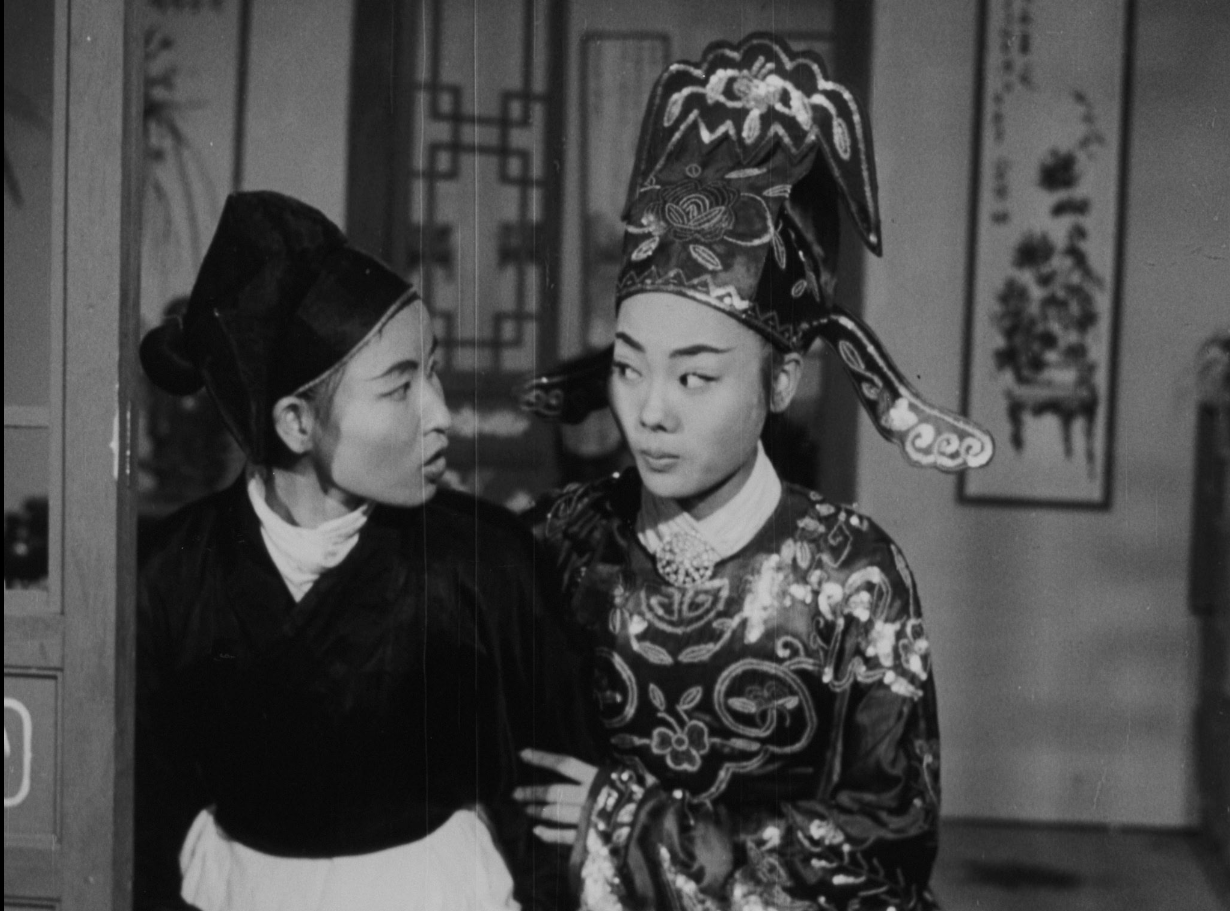
The Royal Society (1962) is LEE Hsing’s only Taiwanese opera film. Right: WU Ming-hsia, one of the four leading xiaosheng performers of Taiwanese opera at the time, as Jinfeng.
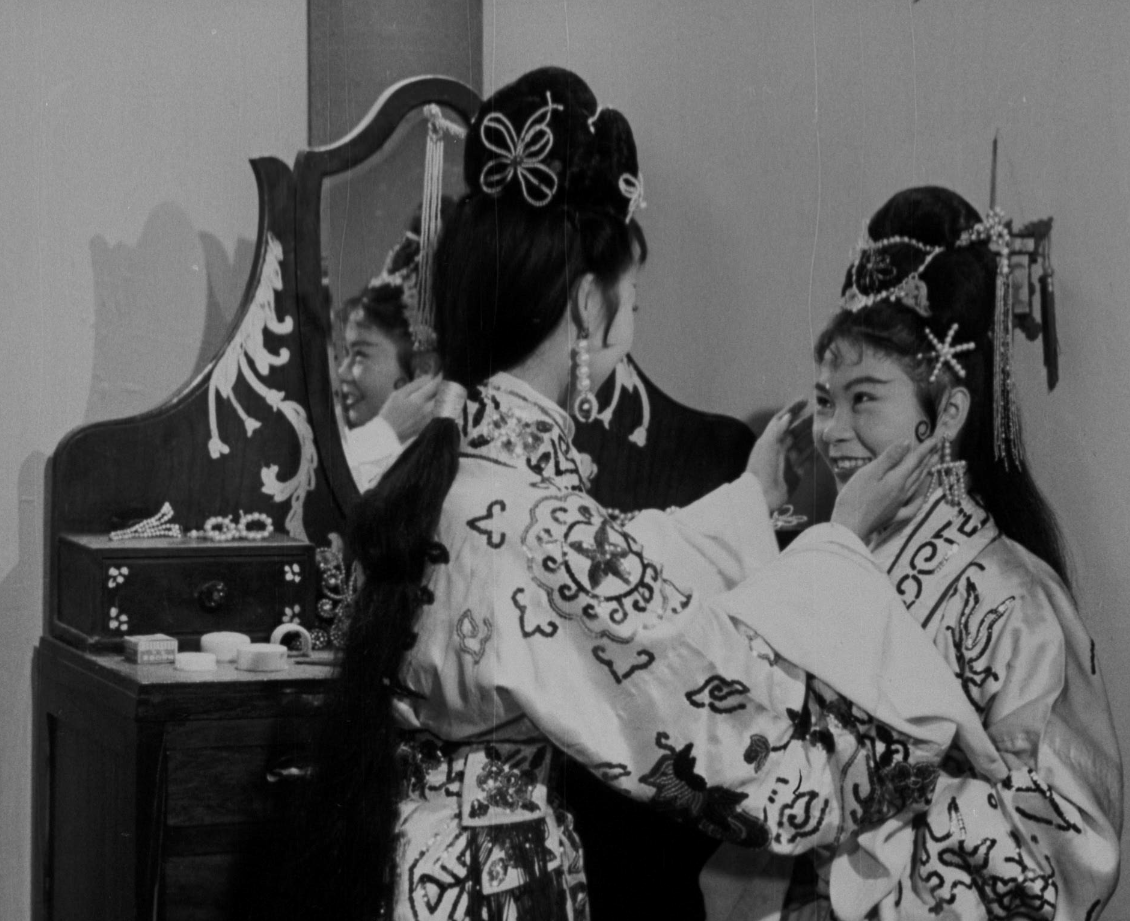
The Royal Society (1962) depicts the undercurrent of desire between two young women.
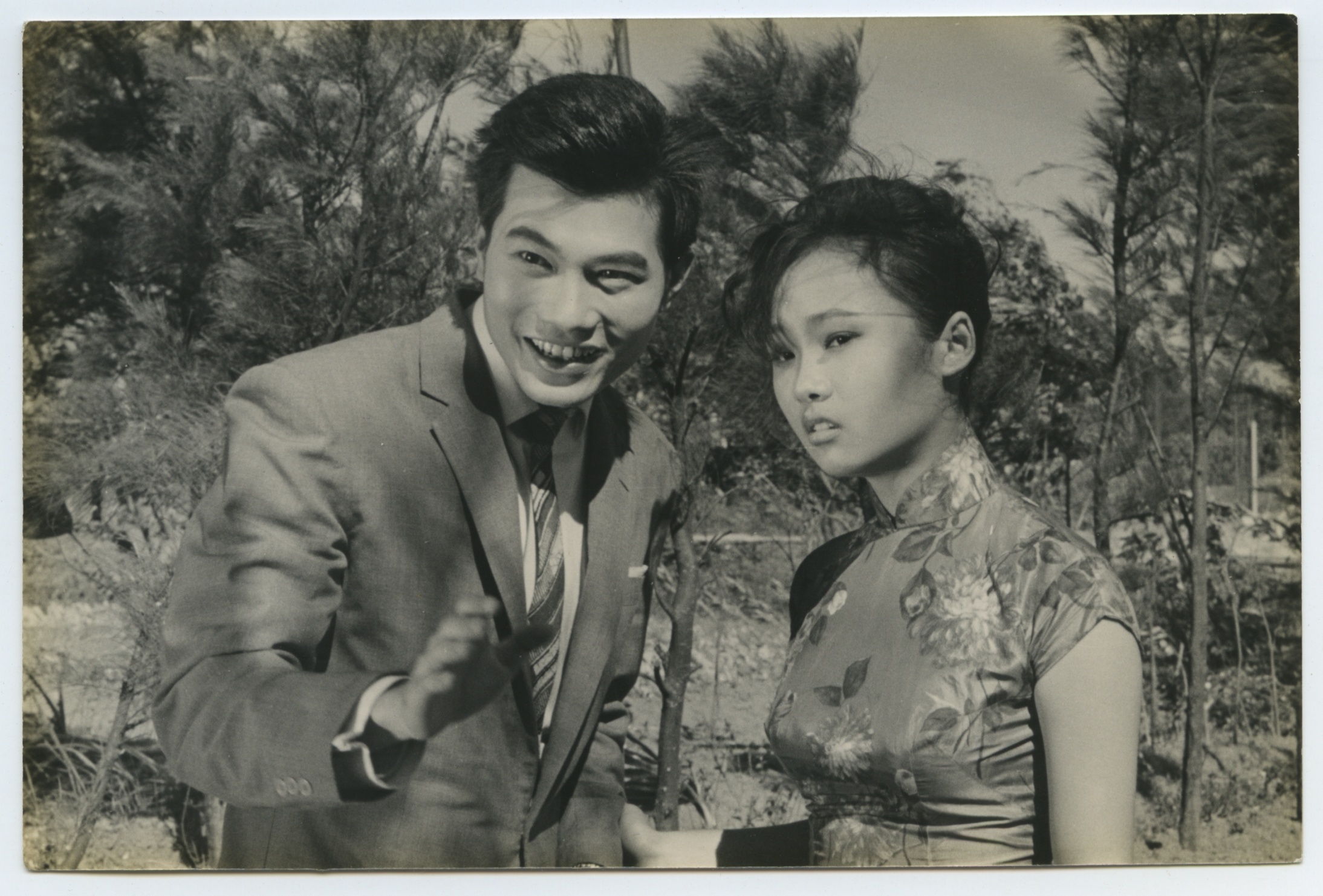
Good Neighbors marks an important turning point in LEE Hsing’s transition from Taiyupian to Mandarin-language films.
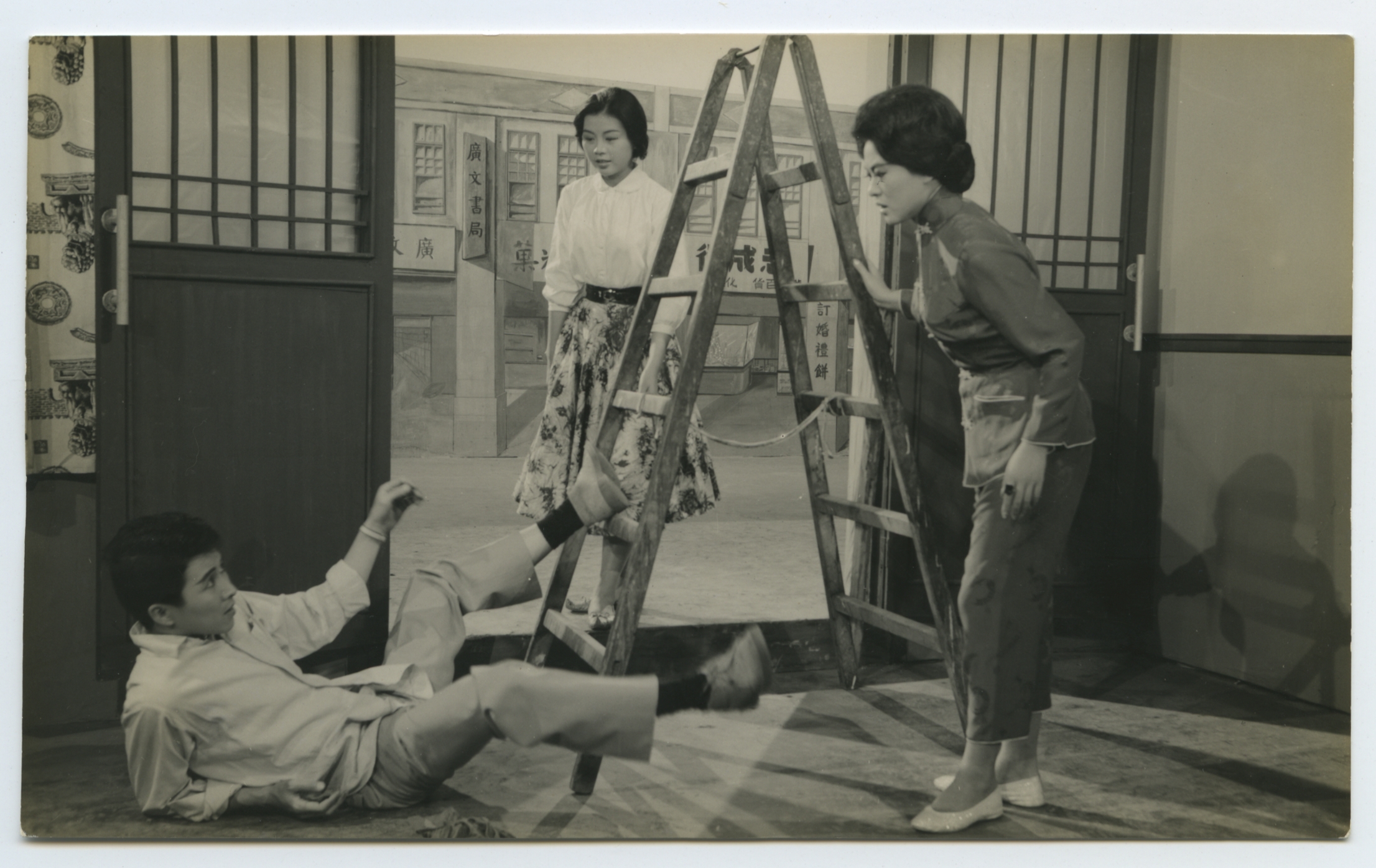
Good Neighbors follows two families whose differences in language and customs lead to constant friction and endless comic situations!
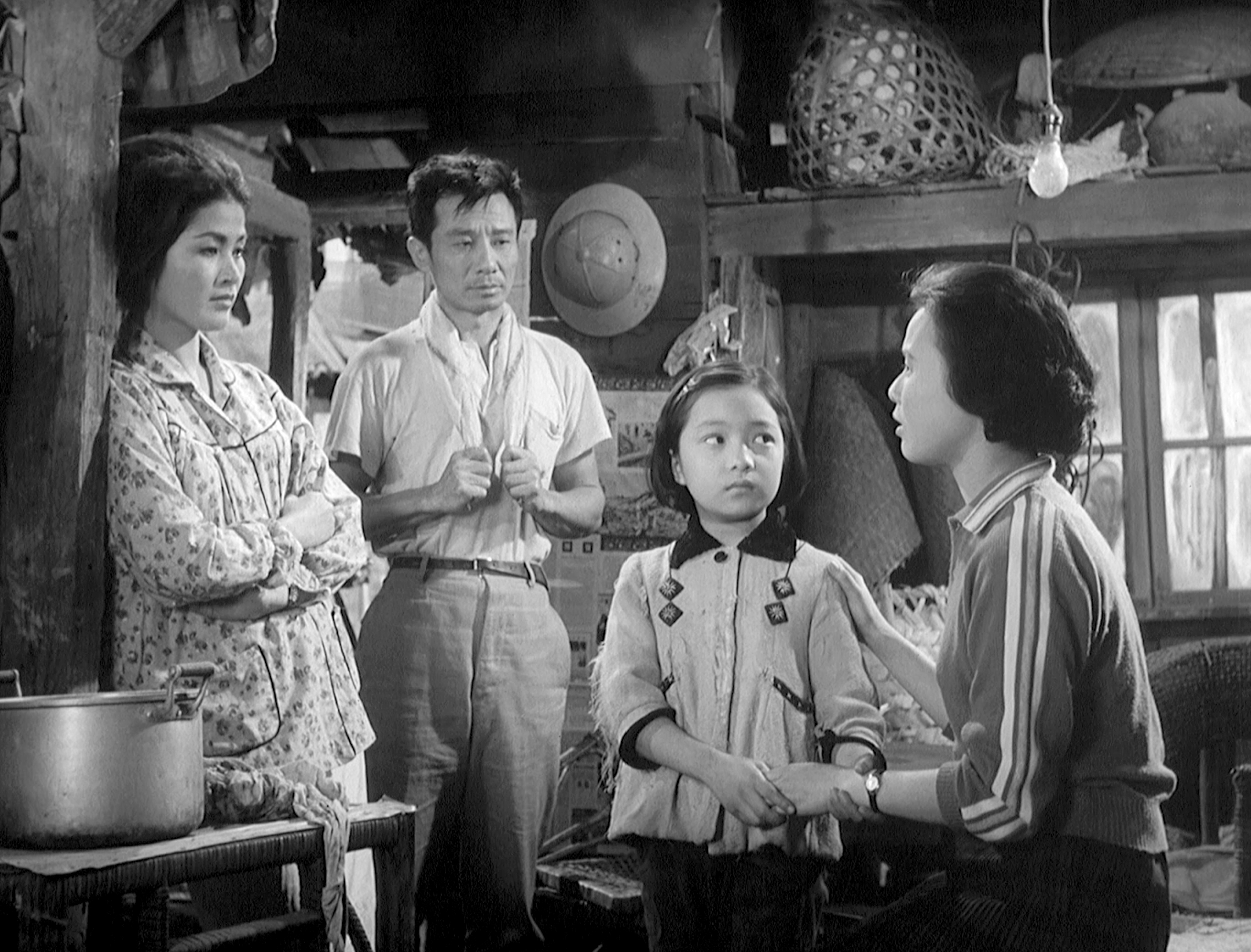
LEE Hsing’s first Mandarin-language film, Our Neighbor (1963), still features a small amount of Taiwanese dialogue.