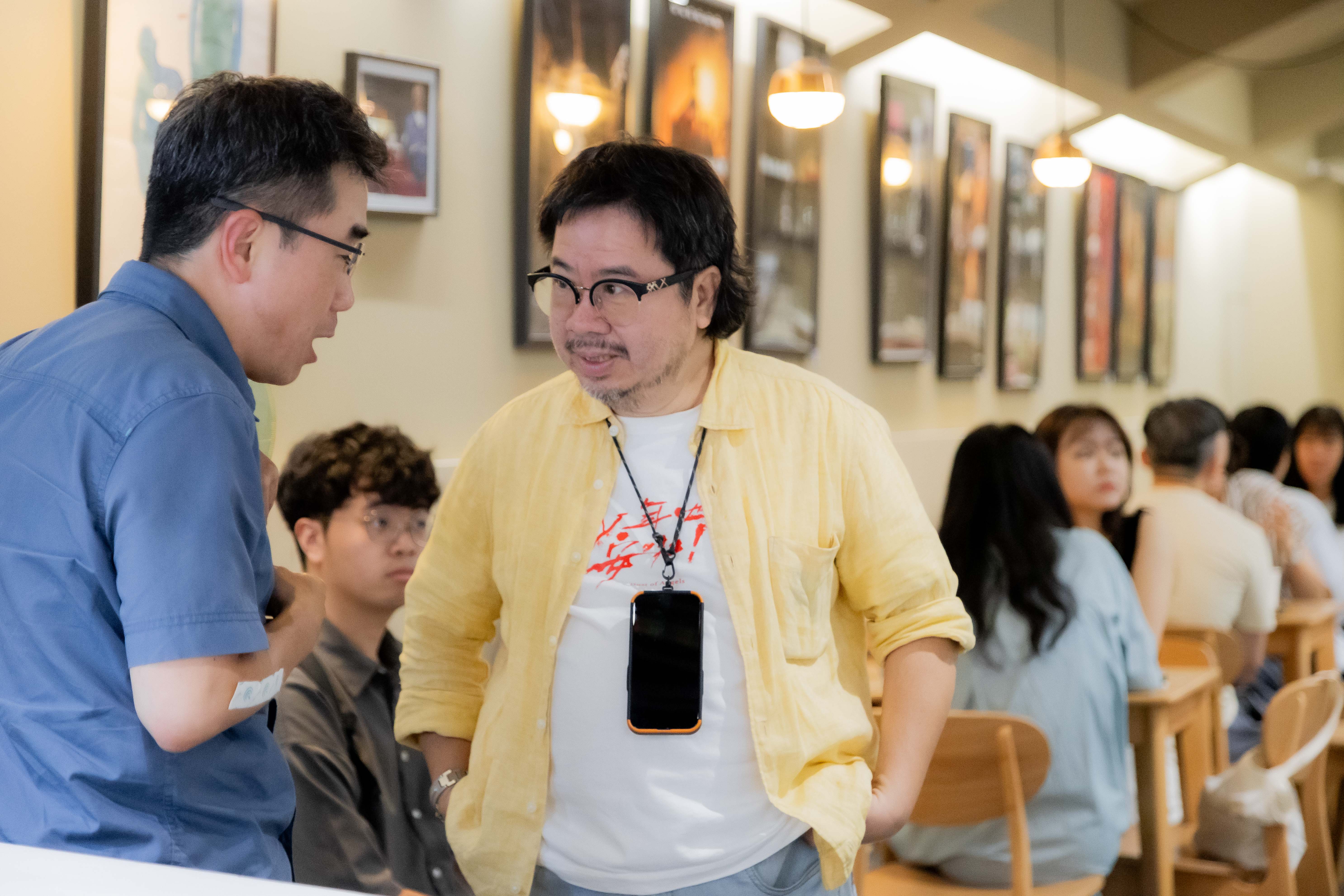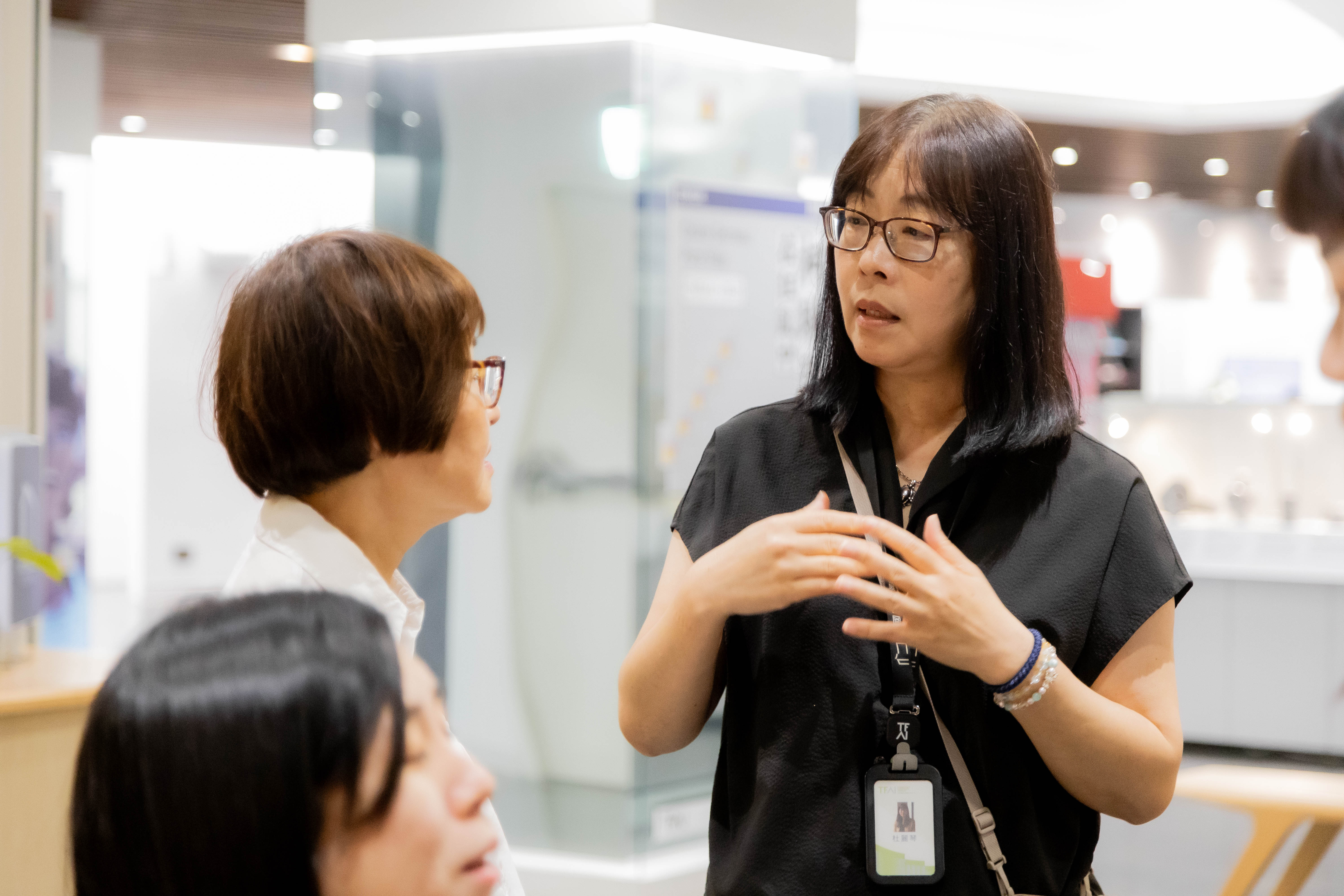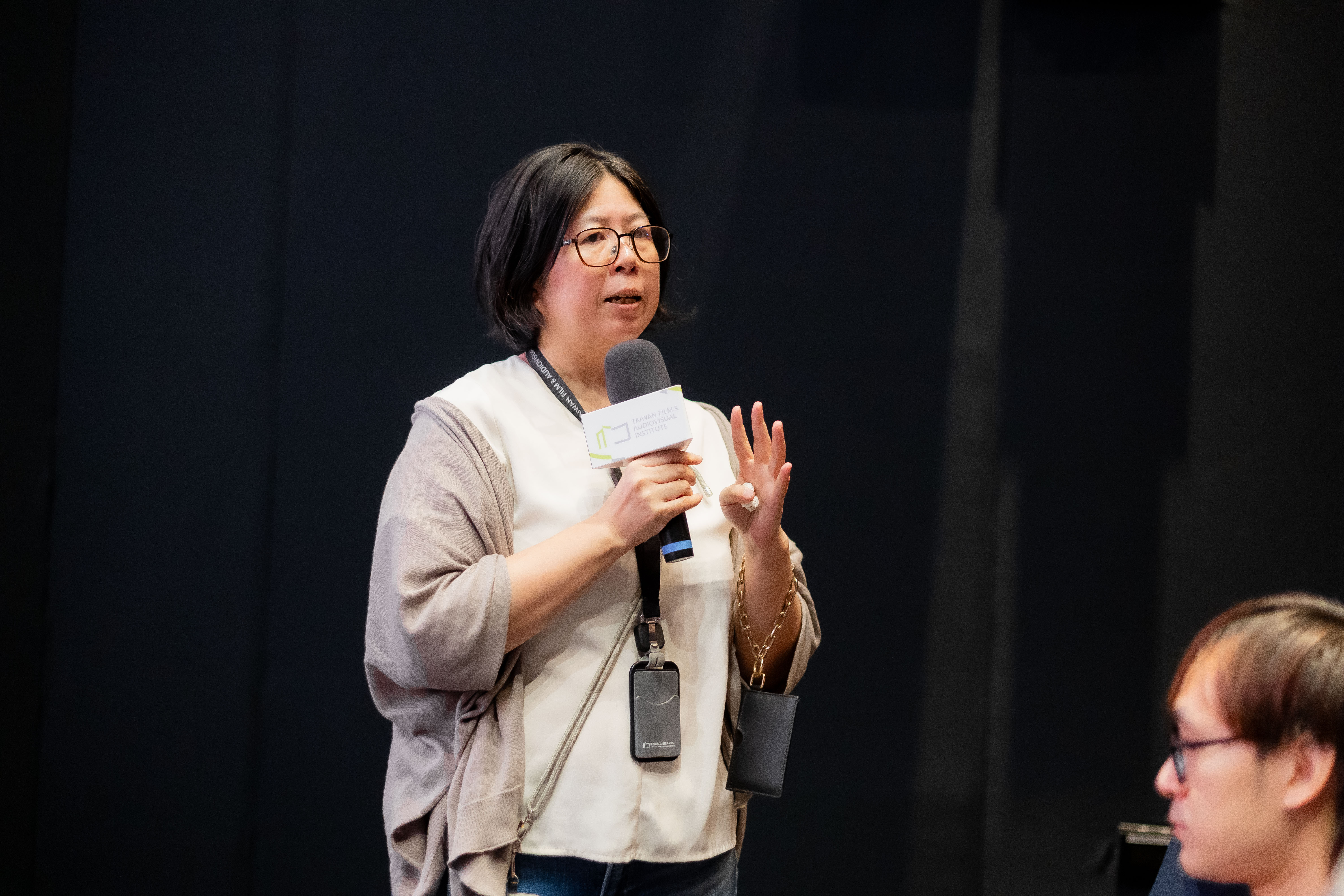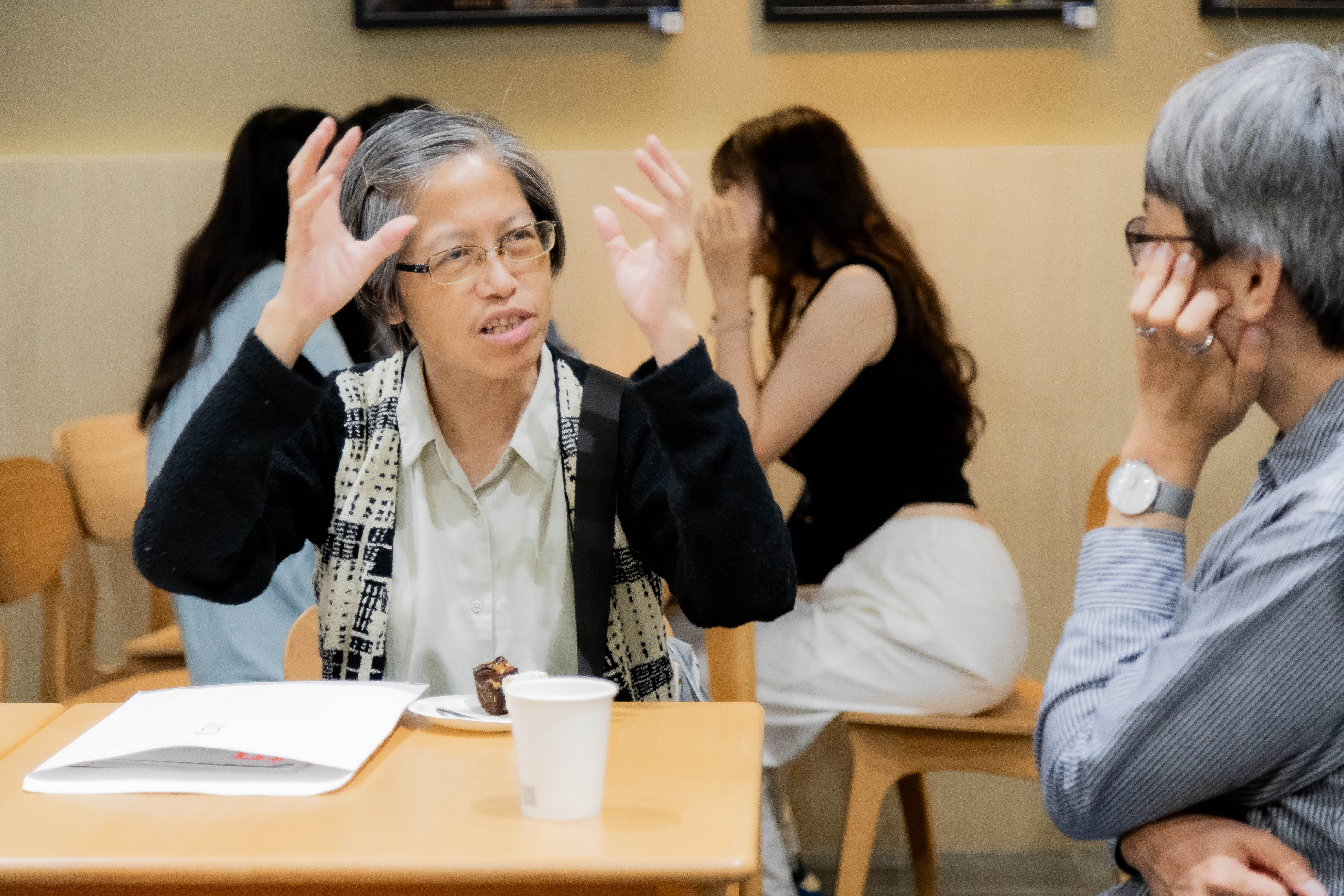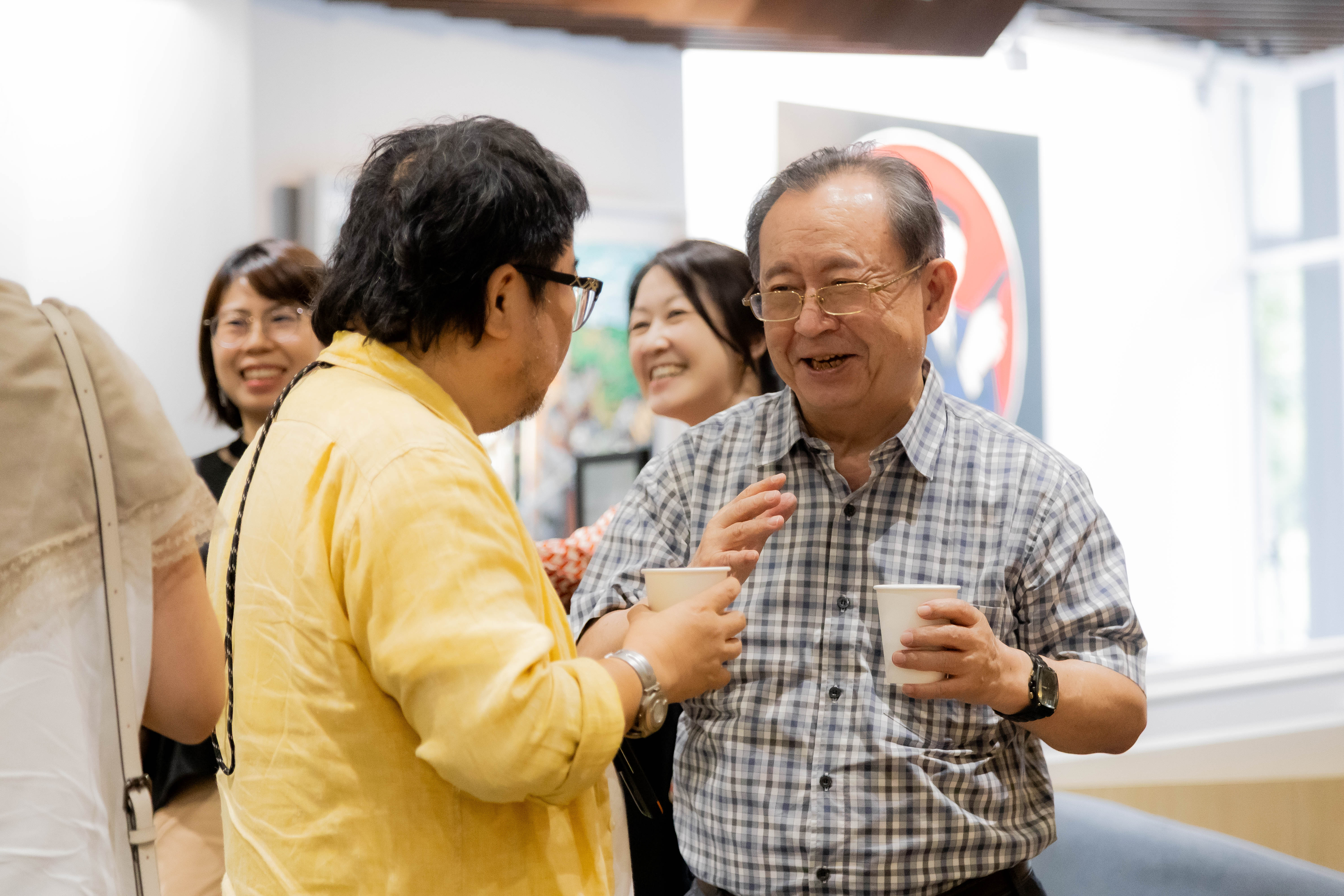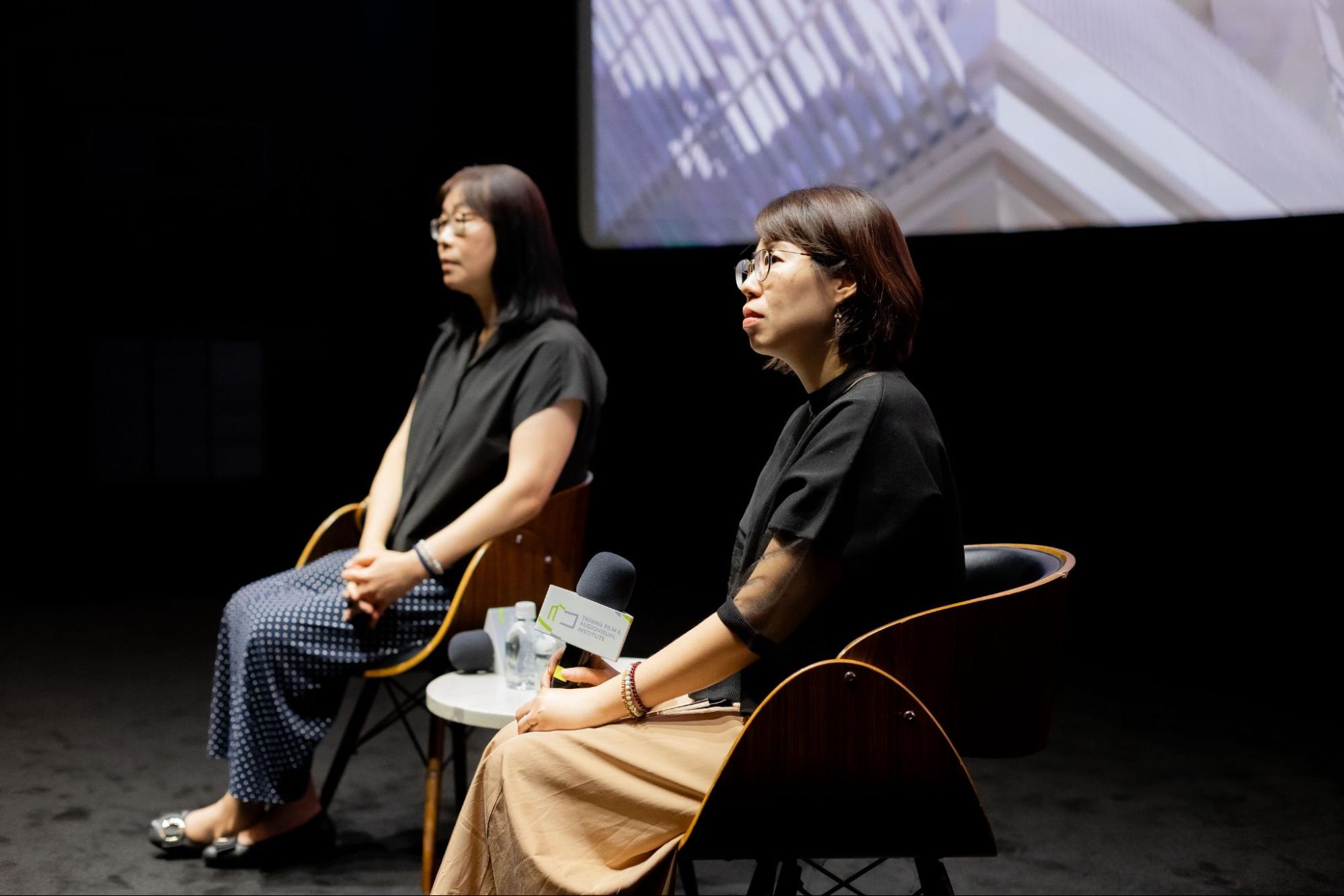
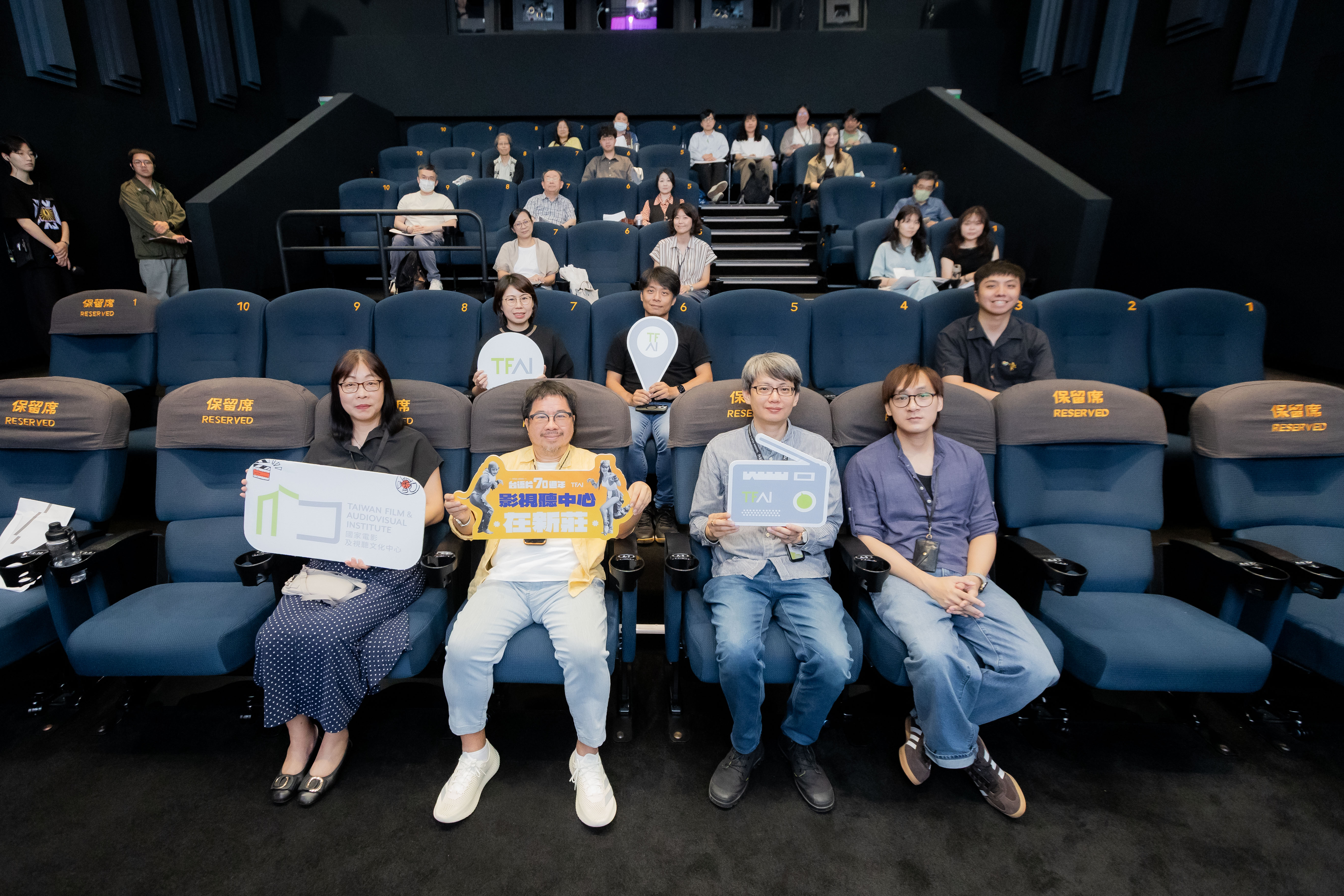
On May 22, the Taiwan Film and Audiovisual Institute (TFAI) partnered with the Committee for Museum Education of the Taiwan Museum Association (CME) to host an exchange forum titled “From Preservation to Sharing: Audiovisual Collection, Restoration, and Outreach.” TFAI Chairperson Arthur CHU, CEO DU Li-chin, and Deputy Director of Operations Alina LIN led the TFAI team in discussions with CME Chair LIN Wen-ling and dozens of experts from Taiwan’s museum sector.
The TFAI is actively transforming from a film archive into a modern museum and has officially launched its 2026-2030 Strategic Development Plan. Moving forward, it will fully activate more than 200,000 audiovisual items in its collection, including Taiwanese-language films, Taiwan Film Culture Co. newsreels, and Taiwan New Telecommunication (TNT) radio broadcasts. Through the establishment of an open-access initiative, TFAI aims to become a “cultural resource hub” supporting cross-disciplinary curation in museums across Taiwan.
Five-year plan lays the foundation for brand transformation, deepening academic research, and cross-disciplinary curation.
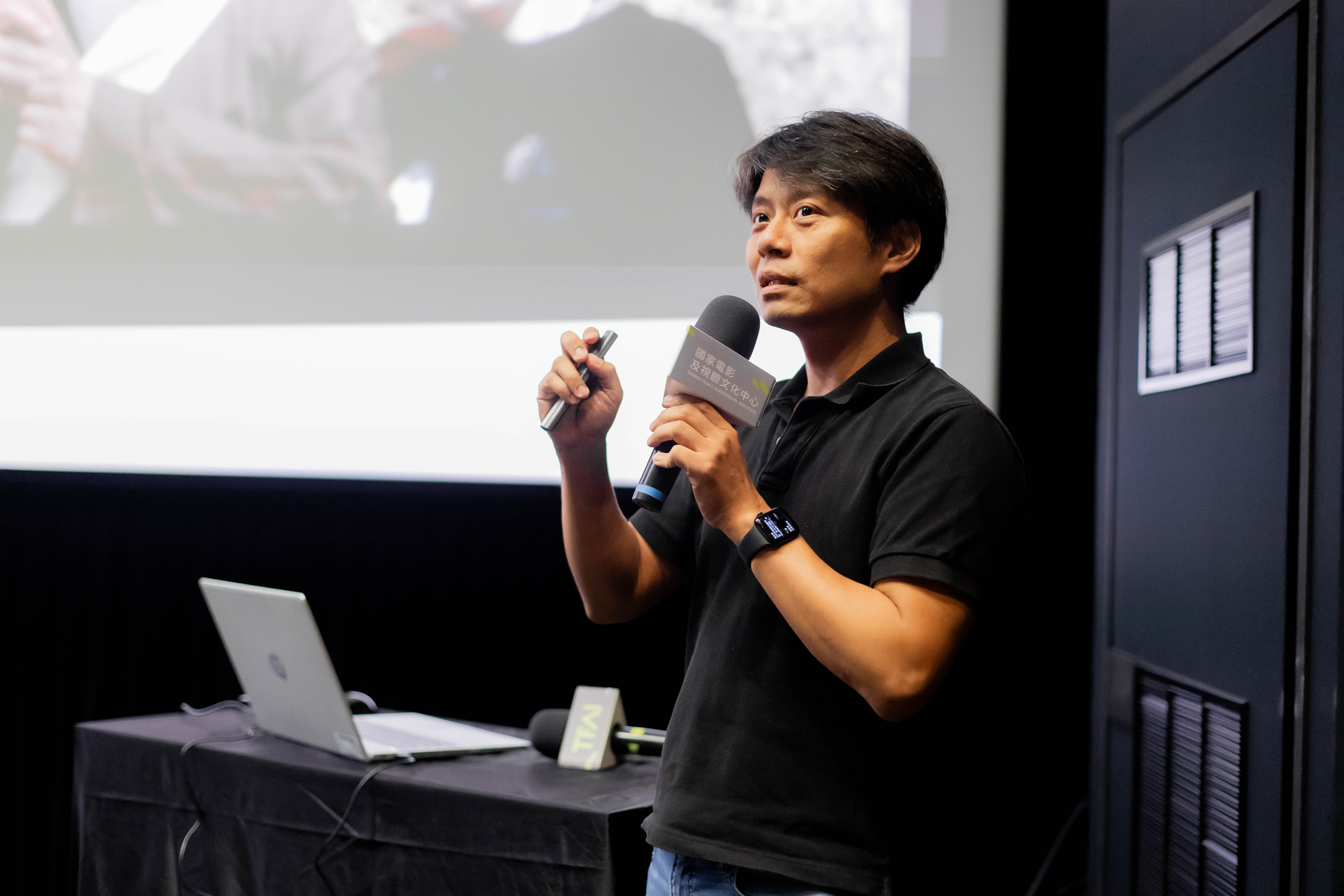
CEO DU Li-chin noted that TFAI originated in 1978 as the “Film Library,” later evolved into the “Film Archive,” and has now become a public administrative body. Over time, the scope of its collection has expanded from film to encompass television and radio as well. The TFAI Board has now formally approved the TFAI 2026-2030 Strategic Development Plan, establishing three core objectives: “Centering Taiwan,” “Archiving Time,” and “Accessing Memories.” TFAI possesses extensive resources in independent research and oral history and has long published the Film Appreciation Journal. In the future, it will further support scholars and curators across Taiwan in accessing digitized resources through both its physical library and online TFAI Open Museum.
Addressing the question of how to incorporate historical audiovisual archives in contemporary museum exhibitions, DU shared that over the past year or so, TFAI has set up a “complementary” collaboration model with many major domestic institutions. One example is its partnership with the National Museum of Taiwan Literature (NMTL). For exhibitions focused on literary works adapted into film and television, NMTL takes the lead on the original texts, while TFAI provides cinematic perspective. This is further supported by the “Class in Cinema” educational program, which organizes screenings and talks, establishing a successful model for future cooperation.

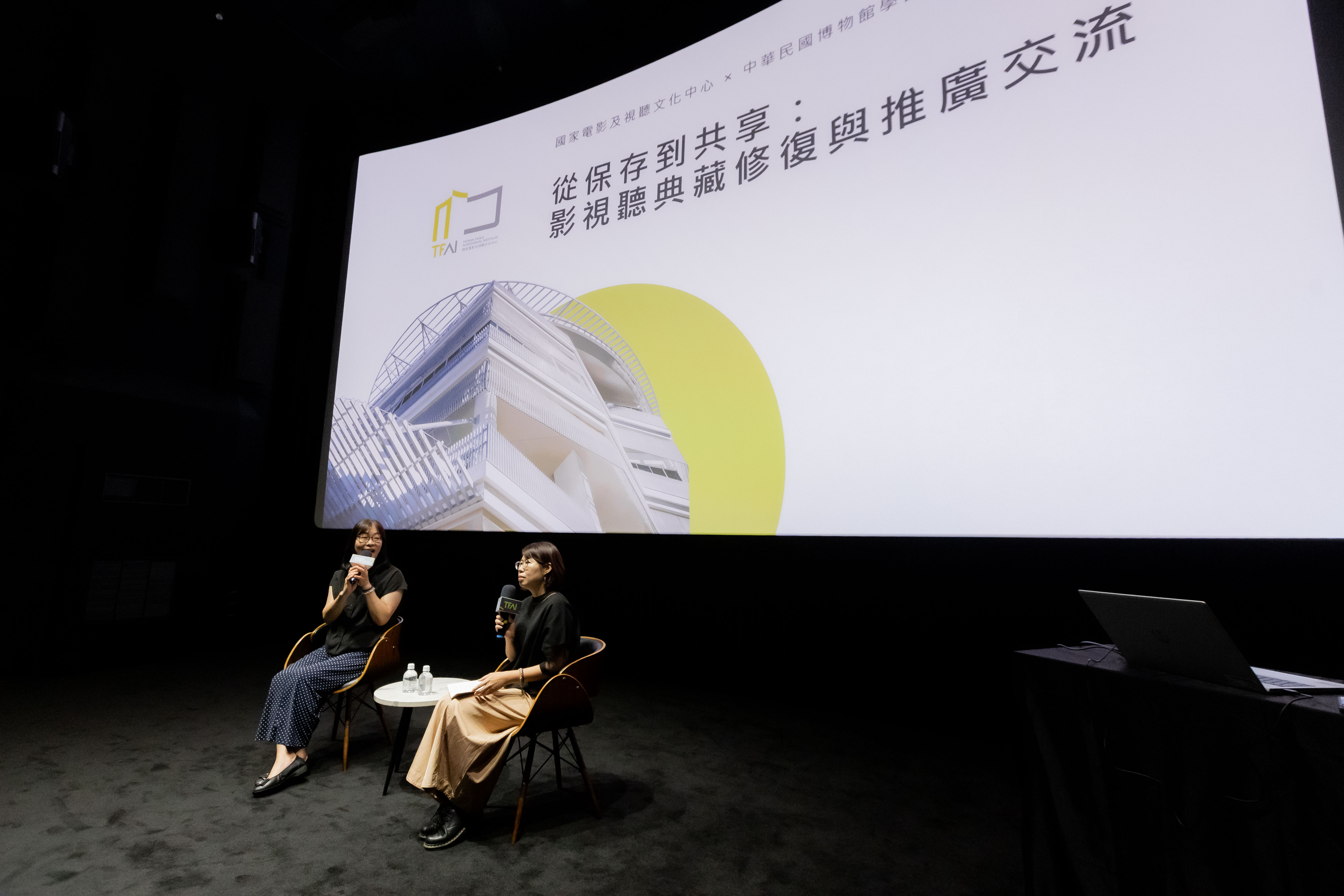
▶ CEO DU Li-chin presented an overview of TFAI and highlighted selected institutional partnership projects.
Implementing open-access plan and activating “non-film” materials
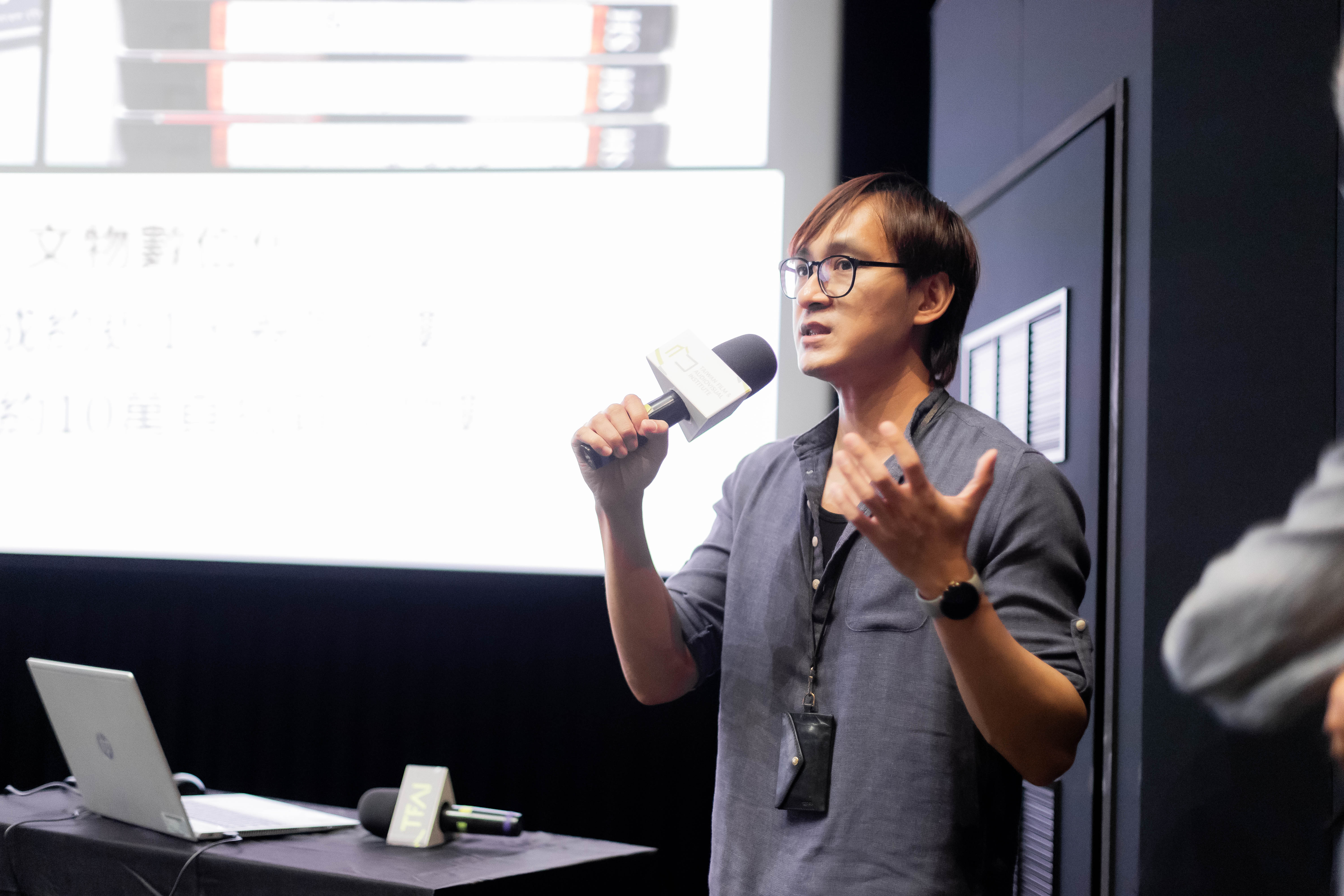
The exchange forum also featured a screening of Formosa (1920s) , the earliest known film footage of Taiwan. Wood LIN, Supervisor of the Division of Research & Program at TFAI, delivered the introduction, discussing the distinctive visual language of “tinted” film stock and related research findings and discoveries. The footage documents everyday life, social classes, and historical landmarks in Hsinchu more than a century ago. The digitally restored version has been uploaded to TFAI’s official YouTube channel as part of its open-access initiative for historical audiovisual materials.
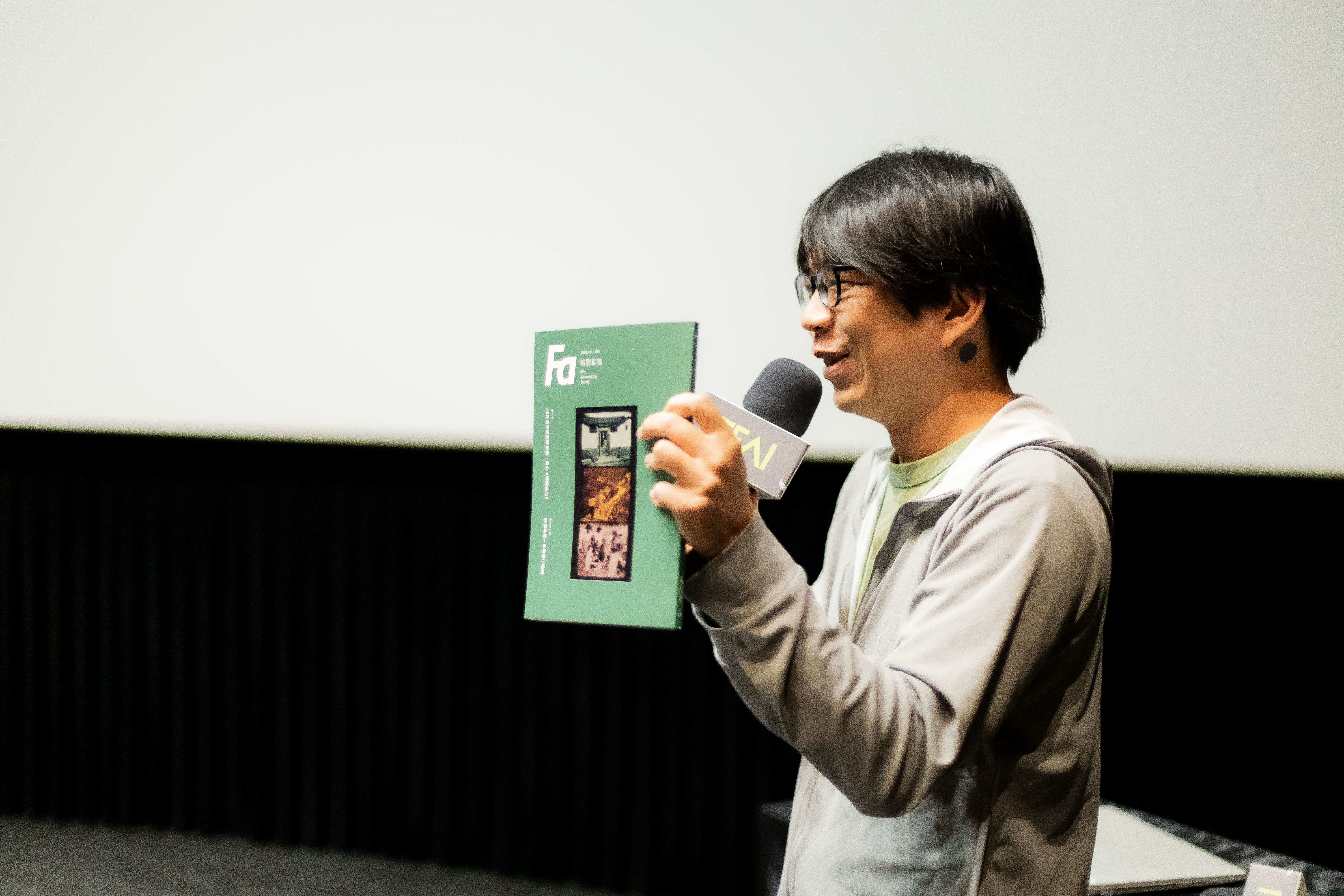
▶ Wood LIN, Supervisor of the Division of Research & Program at TFAI, introduced Formosa.
Beyond film reels, TFAI is actively promoting the use of “non-film” materials as fresh content for contemporary museum exhibitions:
- Human Rights and Democracy Archives: TFAI preserves recordings from TNT, an early underground radio station in Taiwan. Among these materials, researchers have uncovered what is believed to be Taiwan’s first LGBTQ+ radio program, providing invaluable resources for the study of democratization and human rights diversity in Taiwan.
- Environmental and Ecological Materials: Early archival holdings from the Broadcasting Development Foundation contain extensive footage of native Taiwanese marine species that have since disappeared or become extremely difficult to document , making them valuable resources for direct use in environmental education.
- Taiwan Film Culture Co. Newsreels: TFAI has made freely available more than 5,000 newsreels produced by Taiwan Film Culture Co. on its Open Museum digital platform. TFAI encourages museums and cultural institutions to download and incorporate these materials in various exhibitions and programs under the Creative Commons license.
Advancing digital restoration technologies and long-term preservation
During the forum, Watson LEE, Supervisor of the Division of Preservation and Restoration; CHIU Chu-yen, Head of the Department of Film Collection; and WANG Ping-chun, Head of the Department of Paper and Audiovisual Collections demonstrated TFAI’s continuously advancing digital restoration capabilities. These include addressing physical damage caused by “vinegar syndrome” in Taiwan’s high-humidity climate; using advanced wet-gate scanning to conceal minor scratches; and integrating infrared defect detection, AI-assisted voice and image recognition, and other technologies to significantly improve restoration efficiency. Digitally restored files can also be transferred back onto physical film stock as a medium for long-term preservation.
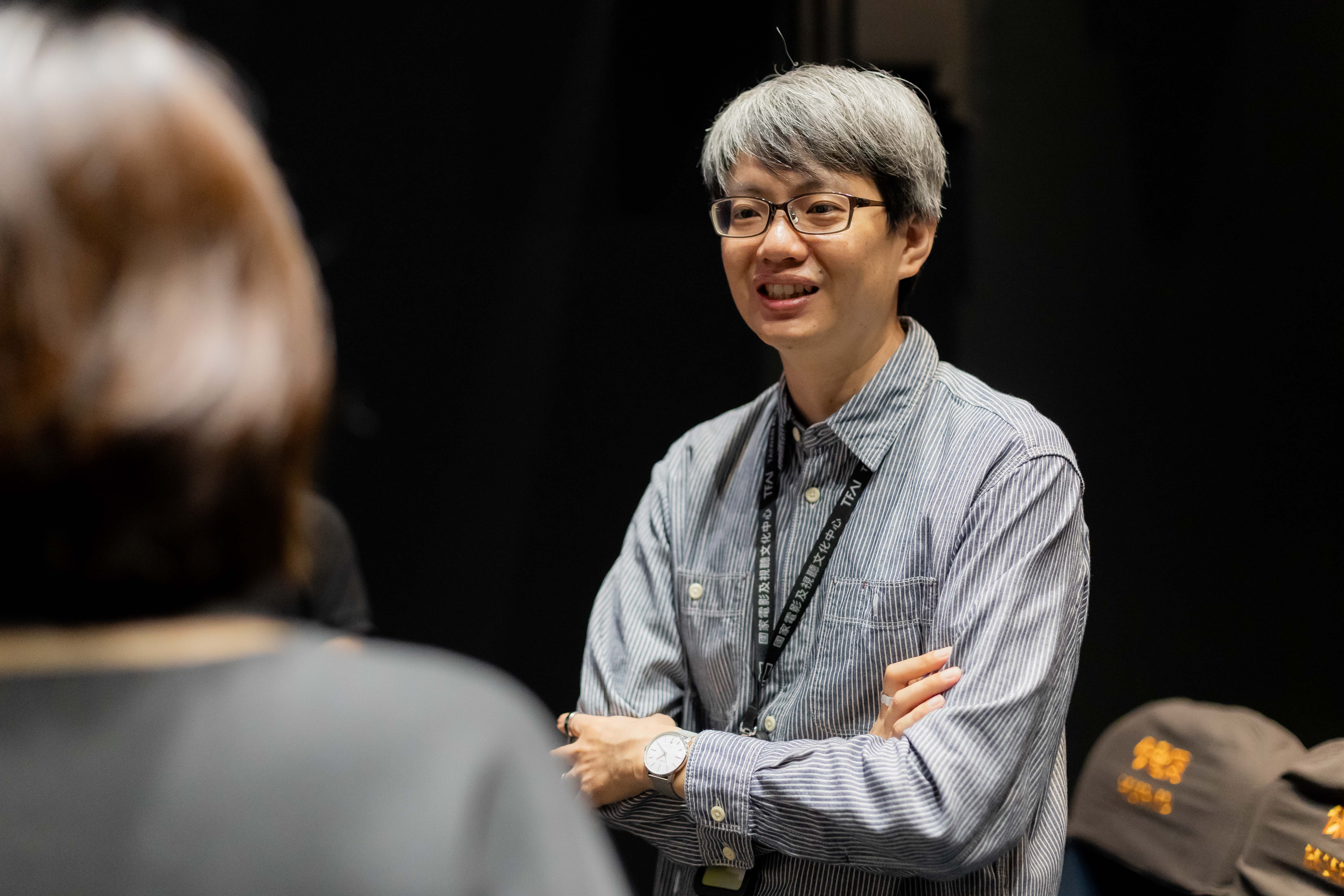
▶ Watson LEE, Supervisor of the Division of Preservation and Restoration
During the discussion session, Joy C. N. HSIN, a board member of the Taiwan Museum Association, commended TFAI’s strategy of allowing “market demand” to guide the activation of audiovisual resources. She noted that all kinds of museums across Taiwan are increasingly focused on their own cultural histories, making them the largest and most direct potential market. HSIN encouraged museums and institutions to proactively propose curatorial projects, thereby helping to stimulate and shape TFAI’s restoration and development schedule. She also expressed her hope that TFAI would move beyond its role as an archive to become an indispensable professional partner for museums nationwide.
CHEN Wan-ping of the National Taiwan Museum’s Collection Management Department also offered feedback: As both an observer and a partner, she expressed strong admiration for TFAI’s commitment to making its digitization work publicly accessible, noting it a tremendous benefit to curatorial colleagues. Citing the National Taiwan Museum’s recent exhibition “Signals of the Times: The Stirring of Democracy and Communication Technology” as an example, she said that TFAI had provided important communication artifacts, and that the exhibition greatly benefited from audiovisual materials that enriched its narrative—precisely the kind of material that traditional museums tend to lack. She also made a pointed suggestion: In the future, TFAI could proactively package specific themes or its “special collections” and organize small-scale workshops or matchmaking events, making it easier for museum professionals to identify historical materials suited to their own institutions.