
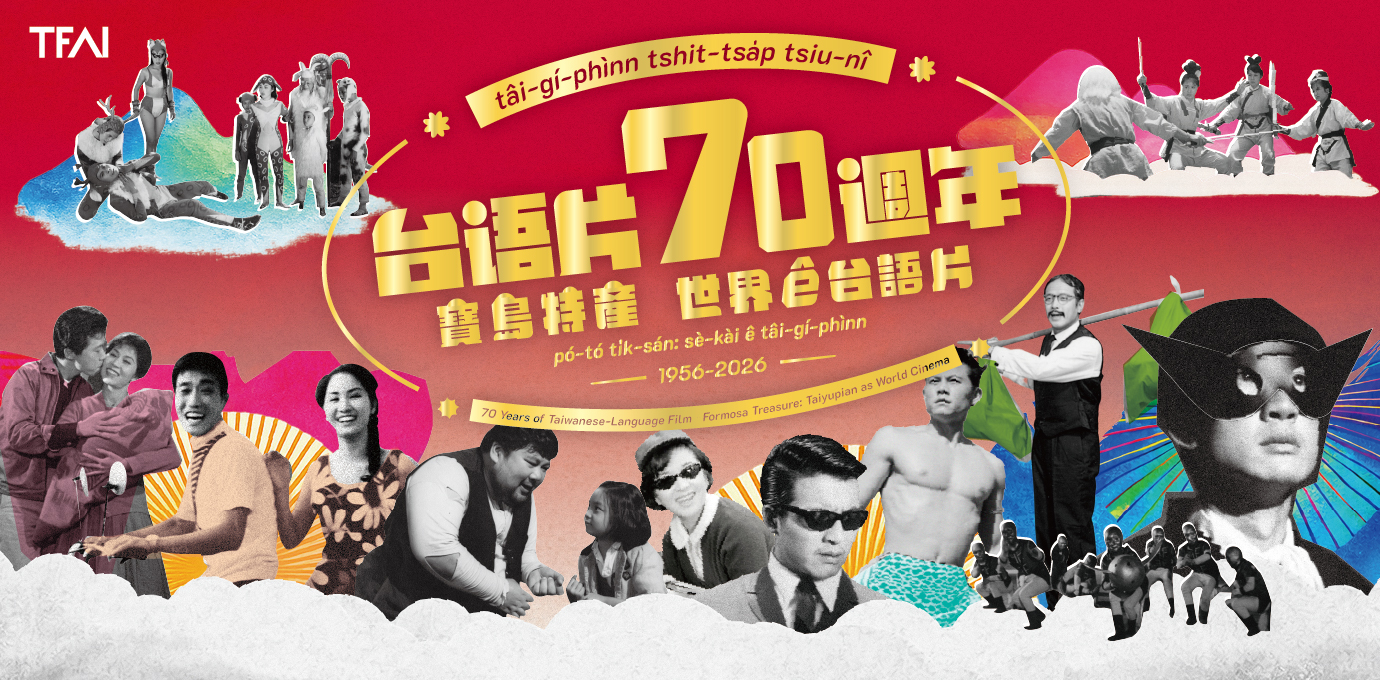
“Taiyupian”—commercial films made in Taiwan and voiced in the Taiwanese language—can be considered an “endemic species of Taiwan” in world cinema history, transcending time and space to become a precious audiovisual heritage. In 1956, the release of the first Taiyupian shot on 35mm film, Xue Pinggui and Wang Baochuan (《薛平貴與王寶釧》) , ushered in a golden age of Taiwanese-language cinema. This year (2026), Taiyupian officially celebrates its 70th anniversary. Under the title “Formosa Treasure: Taiyupian as World Cinema” (Pó-tó Ti̍k-sán: Sè-kài ê Tâi-gí-phìnn), the Taiwan Film and Audiovisual Institute (TFAI) has planned a year-long commemorative series beginning in March, featuring film screenings, interactive exhibitions, and artifact showcases. Now is the time to uncover the origins of Taiwanese cinema!
According to TFAI’s research, approximately 1,200 films in Taiwan’s cinematic history can be categorized as Taiyupian. However, only about 200 titles remain in TFAI’s collection; the rest survive only in written records or fragmentary footage. Since 1990, when TFAI first launched efforts to rescue, preserve, and study Taiyupian, it has continuously devoted itself to collecting film prints, artifacts, and oral histories, while further expanding into multi-faceted film research, digital restoration, and international promotion. Taiyupian works, together with their screenplays, posters, and artifacts, have accompanied TFAI throughout this journey, and remain among its most unique and treasured archival holdings.
As a film form fundamentally rooted in language, Taiyupian were often labeled as crude productions or overly melodramatic in the past. Yet beneath these stereotypes ran an undercurrent of creative freedom. As Sozo TERUOKA, the Artistic Director of the Osaka Asian Film Festival, observed after watching Taiwanese-language spy films, action films, tokusatsu-inspired science fiction, romances, and comedies: “Most Mandarin-language films at the time carried clear political propaganda. In Taiwanese-language films, however, I could feel a freer, less restrained atmosphere.” French film scholar Wafa GHERMANI also notes that “Taiwanese-language films display a highly expressive performance style and a wide variety of genres, where one can see both the influence of Japanese cinema and distinctive elements of local culture.”
Today, viewing Taiyupian from a “world cinema” perspective reflects a shift grounded in TFAI’s research findings over the past decade. The 70th anniversary program “Formosa Treasure: Taiyupian as World Cinema” likens Taiyupian to a distinctive flavor nurtured by the island of Formosa (Taiwan’s former name). The perspective is elevated from the local to the global, echoing the many forms of world cinema. Rich in diversity, Taiyupian should be positioned as a coordinate within global film history, while also emphasizing their approachable and irreplaceable culture.
“Formosa Treasure: Taiyupian as World Cinema” is a year-long series of events that unfolds through four core themes: “Contemporary Resonance,” a curated selection of Taiyupian screenings delivered through themed and special programs; “Salute to the Pioneers of Taiwanese-Language Cinema (Taiyupian): Ho Chi-ming and Huaxing Movie Studio,” which opens in March with three works; “Taiyupian Relativity,” a monthly selection of films from April to August that explore the affinities and divergences between Taiyupian and world cinema, offering a view of the world through a Taiwanese lens; and the September themed program “70 Years of Taiwanese-Language Film,” which presents newly digitized films along with “the most Taiwanese” exclusive merchandise.
“Contemporary Resonance” will also highlight TFAI’s major digital restoration achievements this year, including Zhang Di Seeks A-Zu (1969), starring the dream duo of renowned singer ZHANG Di and Taiwanese opera performer YANG Li-hua; the comedy Good Neighbors (1962), directed by LI Hsing; and Love Never Ceases (1962), featuring the heartfelt performance and singing of HUNG Yi-feng. At the same time, TFAI will expand institutional collaborations across Taiwan and internationally, screening Taiyupian in various Taiwanese counties and cities while also stepping onto the global stage with tours to places such as Singapore and Japan. “Textual Expeditions” will publish a series of Taiyupian screenplays, collaborate with theater companies on staged performances, and organize script-reading events; “Lost Film Histories” will focus on independent research into surviving Taiyupian fragments, open-access initiatives, and hosting research forums; and “World Memories” will revisit and retrace the history of Taiyupian, connecting global audiences through filmmakers’ oral histories and online curatorial projects.
We must continue to affirm the importance of Taiwanese-language cinema to both Taiwan and the world. It is our hope that “Taiyupian” will not be seen merely as Taiwanese-language films belonging to Taiwan, but Taiwanese-language films belonging to the world. For more information, please visit the TFAI official website: https://tfaitw.pse.is/8sqvk5
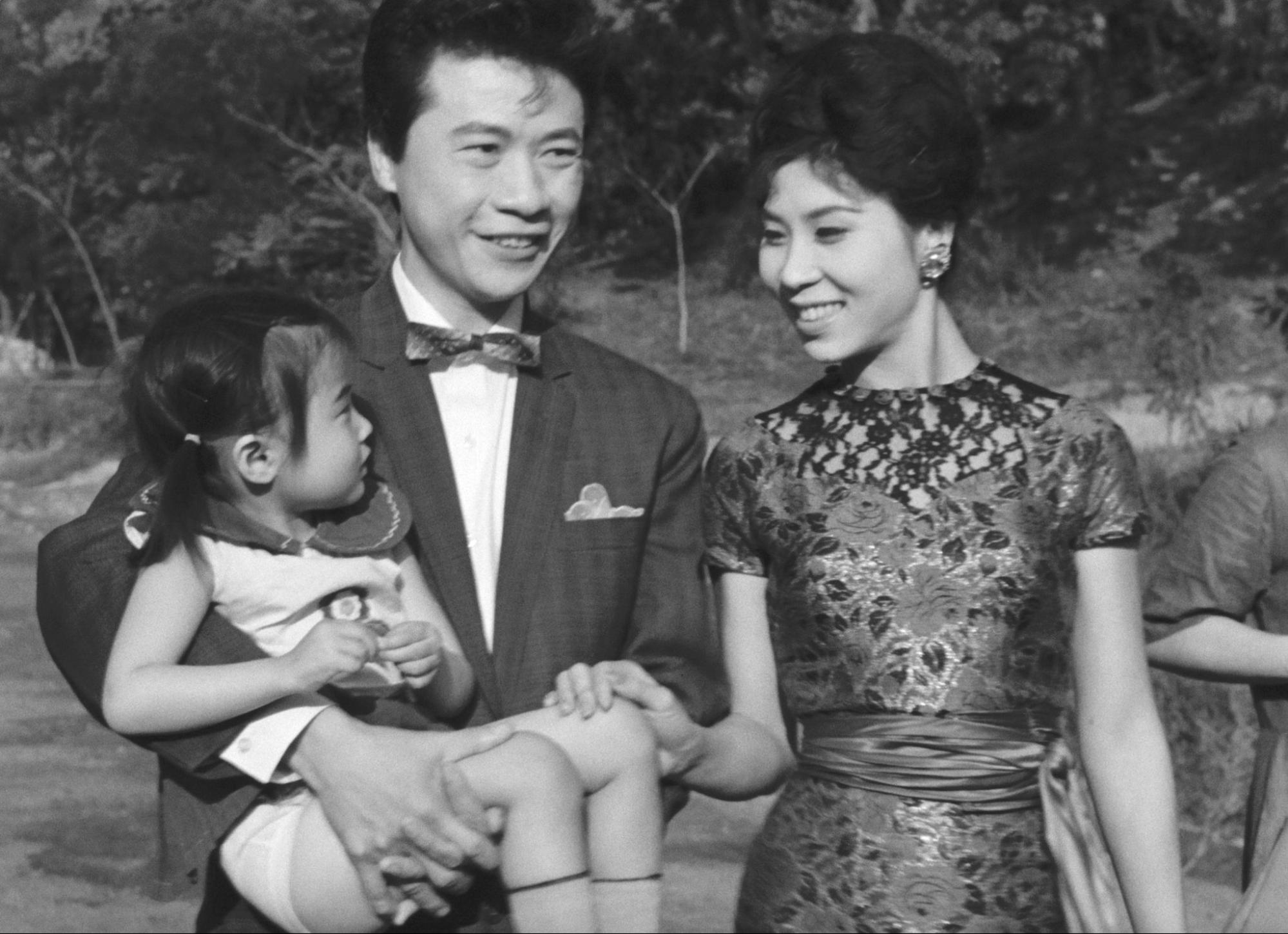
➤“Contemporary Resonance,” a curated selection of Taiyupian, features Love Never Ceases (1962), highlighted by the heartfelt performance and singing of HUNG Yi-feng.
(Courtesy of TFAI)
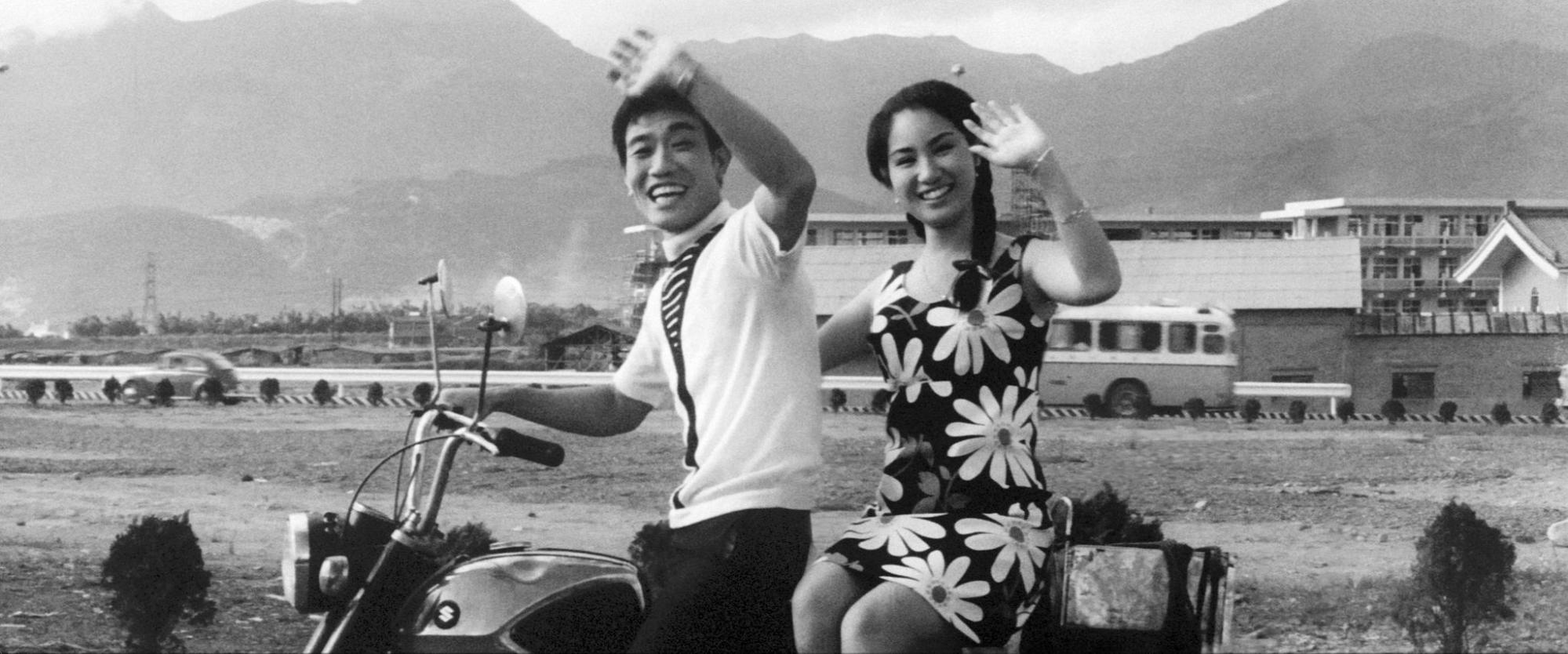
➤“Contemporary Resonance” will also highlight TFAI’s major digital restoration achievements this year, including Zhang Di Seeks A-Zu (1969), starring the dream duo of renowned singer ZHANG Di and Taiwanese opera performer YANG Li-hua;。(Courtesy of TFAI)

➤ Since 1990, when TFAI first launched efforts to rescue, preserve, and study Taiyupian.(Courtesy of TFAI)
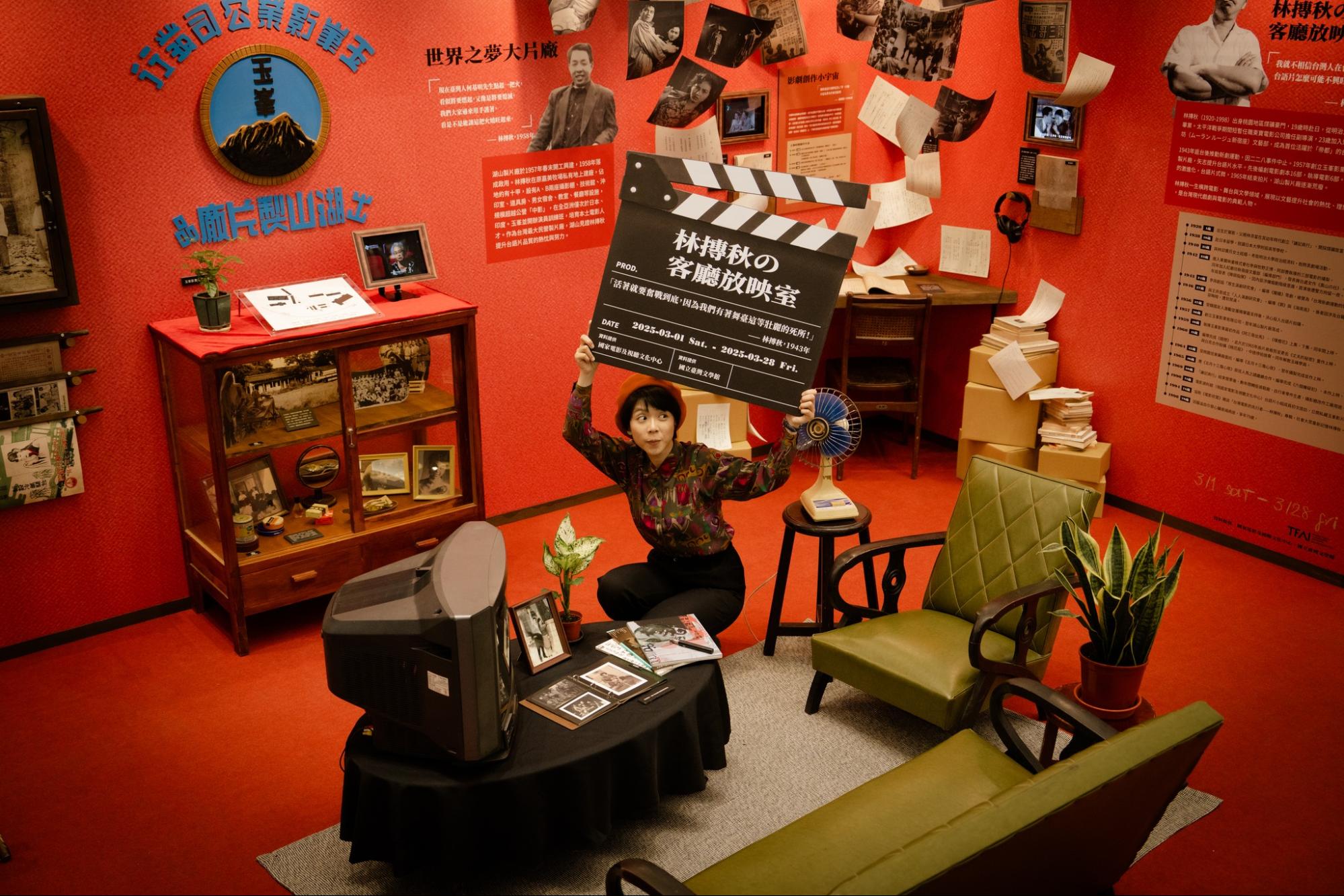
➤TFAI will expand institutional collaborations across Taiwan and internationally(Courtesy of TFAI)
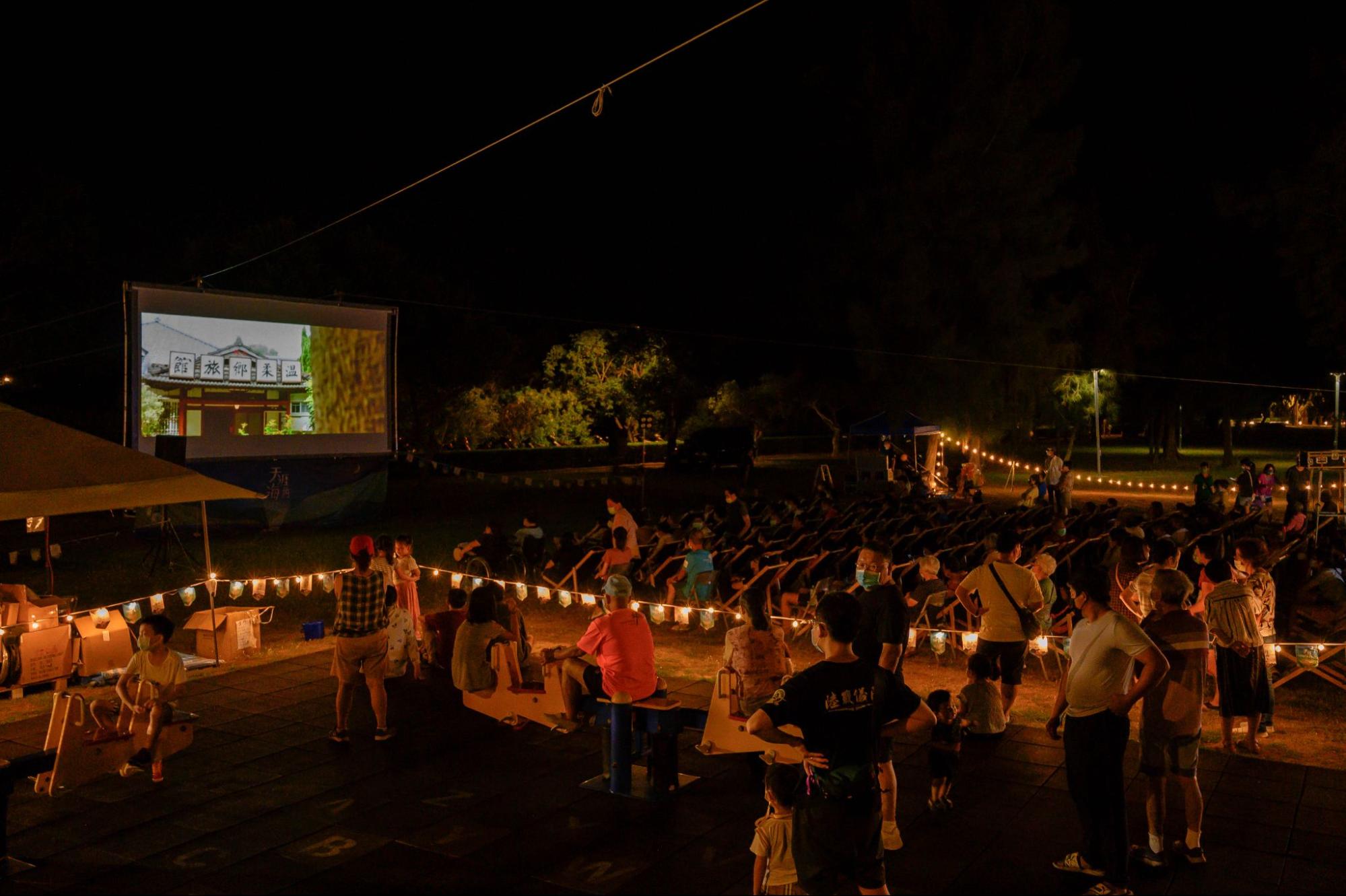
➤TFAI will expand institutional collaborations across Taiwan and internationally(Courtesy of TFAI)