
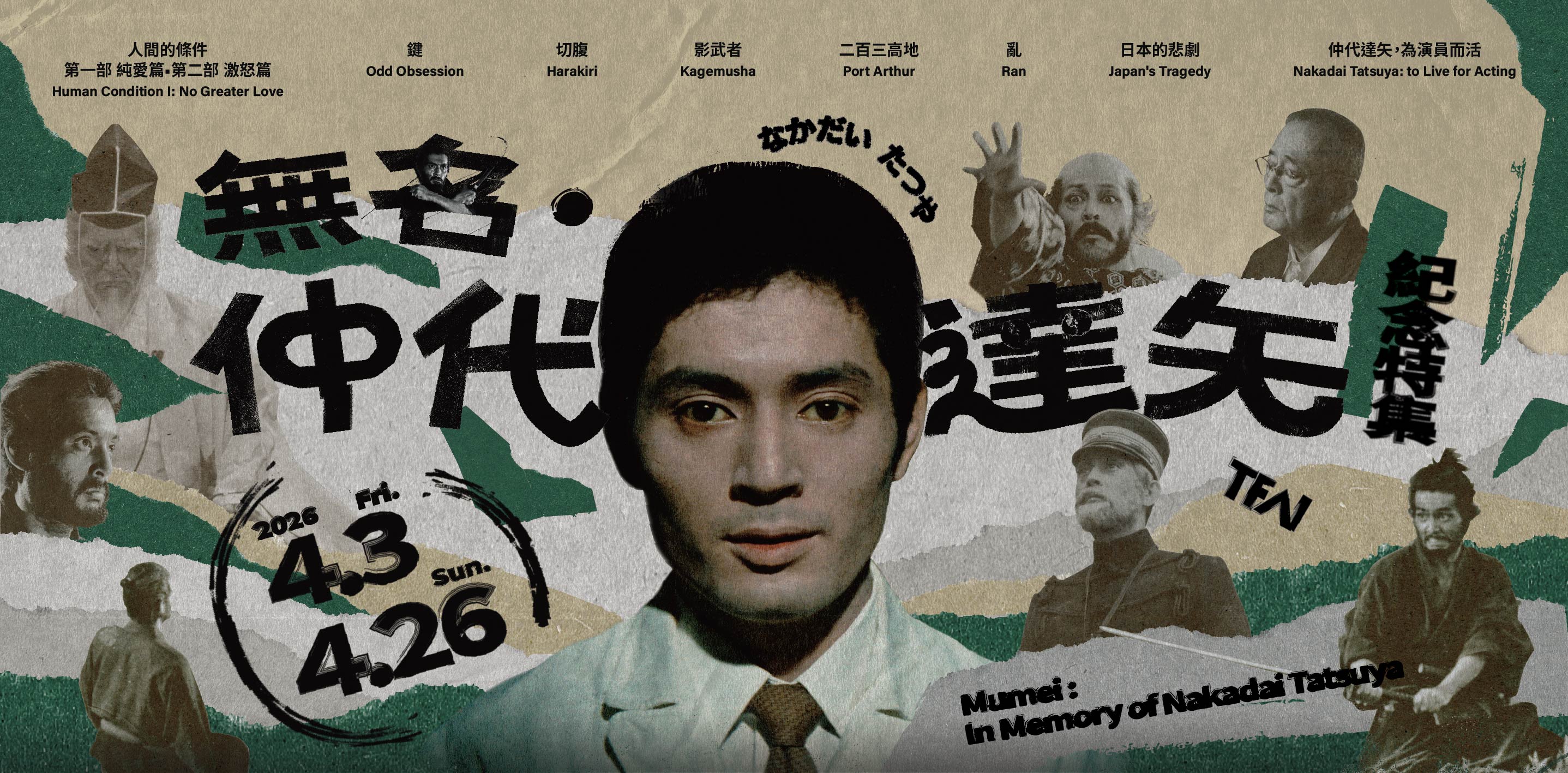
This April, the Taiwan Film and Audiovisual Institute (TFAI) presents “Mumei: In Memory of Tatsuya Nakadai,” a special retrospective celebrating the extraordinary life and career of legendary Japanese actor Tatsuya NAKADAI. Featuring eight selected works, the program highlights NAKADAI’s singular screen presence and remarkable range across more than seven decades of performance. NAKADAI collaborated extensively with masters such as Akira KUROSAWA, Masaki KOBAYASHI, and Mikio NARUSE. He also founded the actor training institution “Mumeijuku”, which nurtured talents including Cannes Best Actor winner Koji YAKUSHO. Widely regarded as one of the greatest actors in Japanese cinema, Nakadai passed away in 2025 at the age of 92, remaining active on stage until the very end.
NAKADAI began his film career in the early 1950s, during the height of Japan’s studio system, when major companies such as Toho, Shochiku, Daiei Film, Toei Company, and Nikkatsu maintained exclusive contracts with actors. In contrast, Nakadai chose to remain freelance, prioritizing artistic freedom over financial stability. Moving between film and theatre, he pursued a wide spectrum of roles and developed a career defined by versatility and independence.
A centerpiece of the program is The Human Condition𝙸: No Greater Love (1959), directed by Masaki KOBAYASHI and adapted from the novel by Junpei GOMIKAWA. Widely considered one of the most important anti-war films in Japanese cinema, this film will be screened in 35mm this time at TFAI. The main character Kaji, played by NAKADAI, is an idealist struggling against the brutality of wartime systems. NAKADAI’s portrayal has often been cited as one of the most powerful debut leading performances in film history.
In striking contrast, NAKADAI’s role in The Key (1959) reveals his ability to navigate psychologically complex and morally ambiguous characters. Portraying a man entangled in a morally complex web of desire and taboo within a dysfunctional family, his nuanced performance captures the tension between restraint and suppressed desire, demonstrating his extraordinary command of subtle emotional expression.
NAKADAI continued to redefine his craft across decades. At age 29, he portrayed an aged rōnin in Harakiri (1962), and later delivered dual performances in KRROSAWA’s Kagemusha (1980), embodying both a cunning thief and a formidable warlord Takeda SHINGEN. In the same year, he appeared in the epic Port Arthur(1980), while his towering performance in Ran (1985) remains one of the defining achievements of his career.
In his later years, NAKADAI continued to take on deeply introspective roles. In A Japanese Tragedy (2012), he portrays an aging carpenter confronting illness, loss, and mortality. The documentary Tatsuya Nakadai: Living by Acting (2015) offers rare insight into his working methods, revealing an actor of exceptional discipline and humility. Despite portraying many iconic and larger-than-life figures, NAKADAI remained personally reserved and grounded. His lifelong philosophy, mumei (“namelessness”), reflects a commitment to humility and to never losing sight of one’s artistic origins.
More information about “Mumei: In Memory of Tatsuya Nakadai” is available on the TFAI official website: https://tfaitw.pse.is/8vgvzq
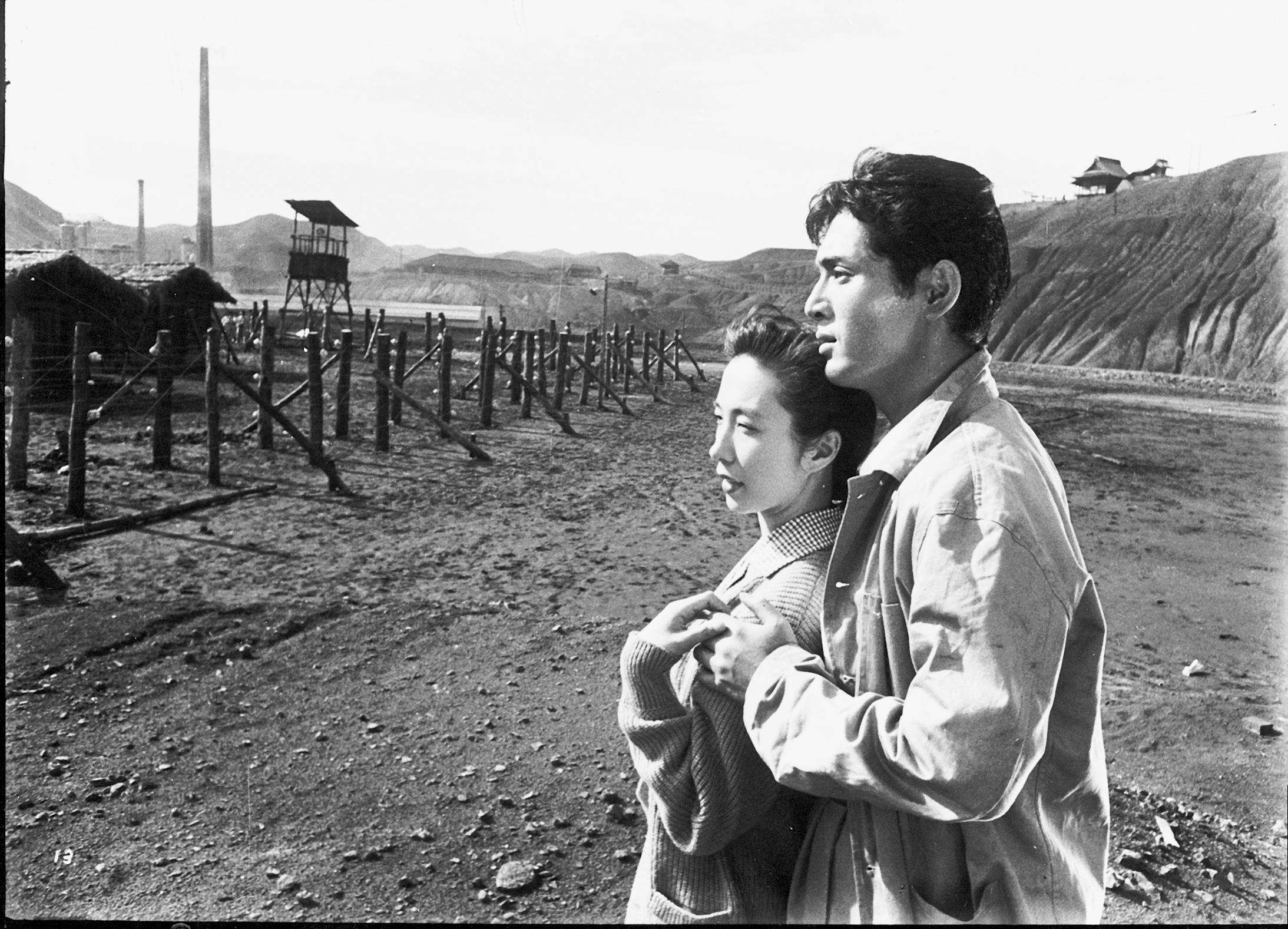
➤A centerpiece of the program is The Human Condition𝙸: No Greater Love (1959), directed by Masaki KOBAYASHI
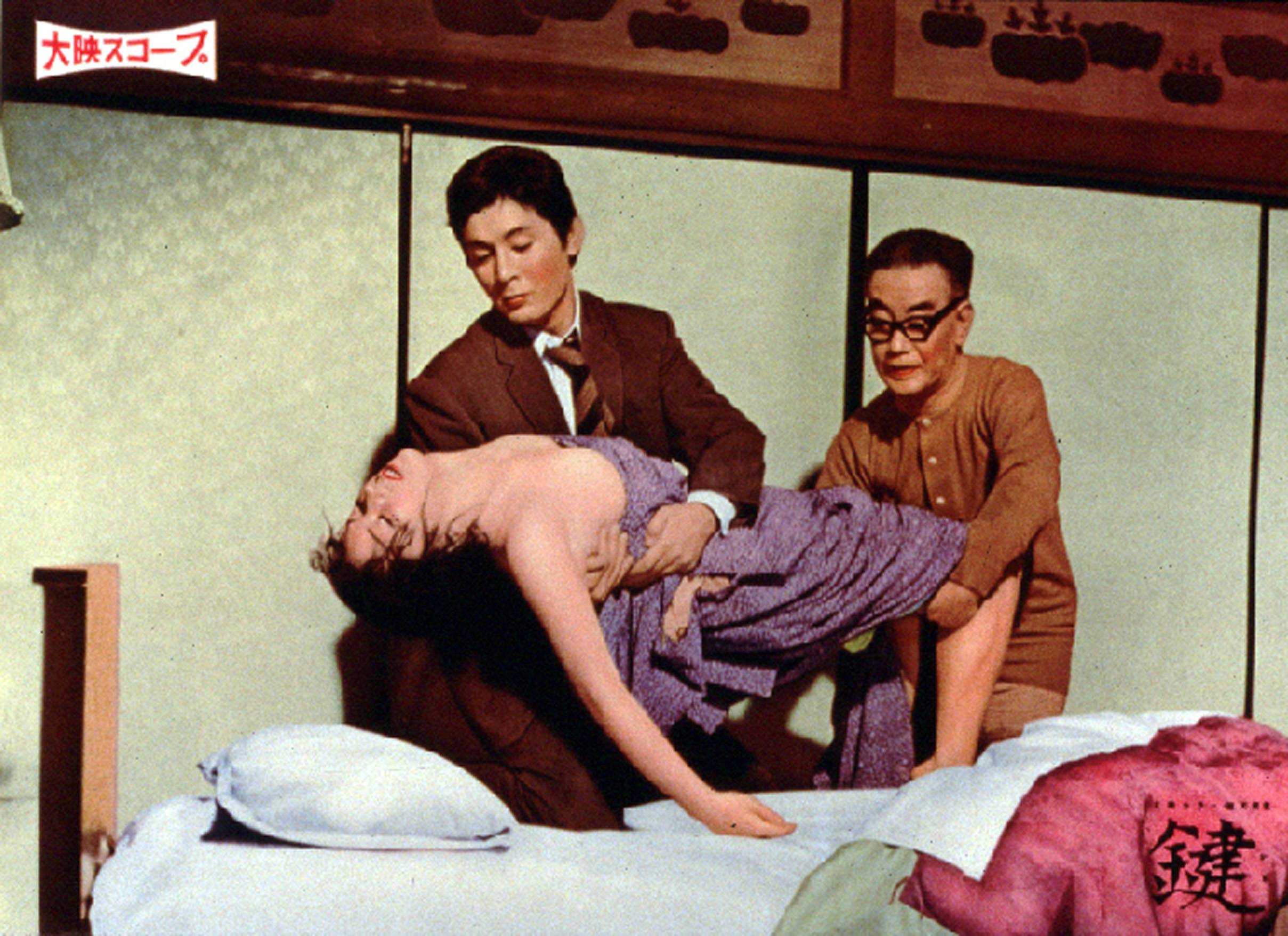
➤NAKADAI portrayed a man entangled in a morally complex web of desire and taboo within a dysfunctional family in The Key (1959). (©KADOKAWA CORPORATION 1959)
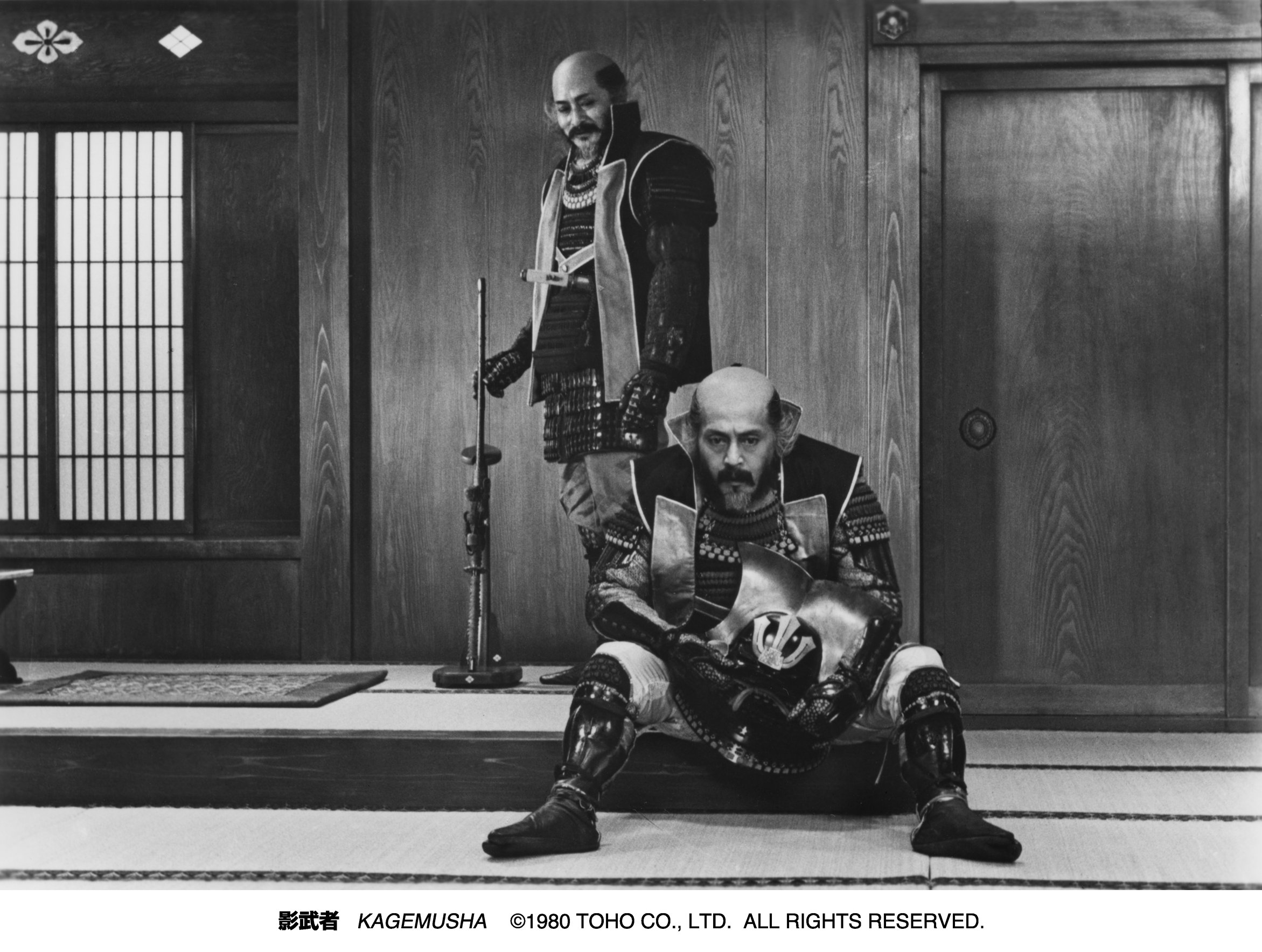
➤NAKADAI’s dual performances in KRROSAWA’s Kagemusha (1980) (©1980 TOHO CO., LTD)
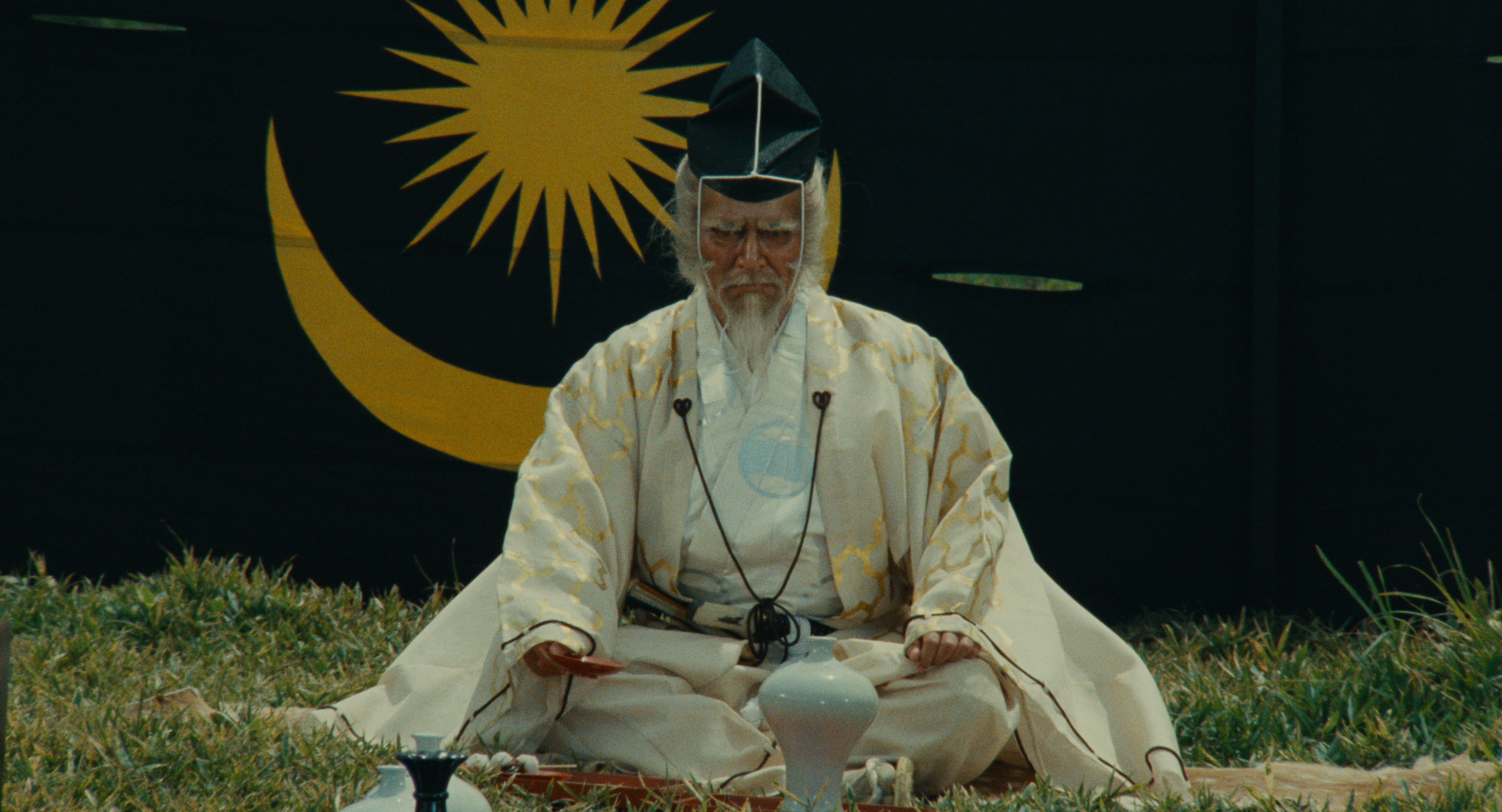
➤NAKADAI’s unforgettable turn as the warlord Hidetora Ichimonji in Ran (1985) (©Studio Canal)
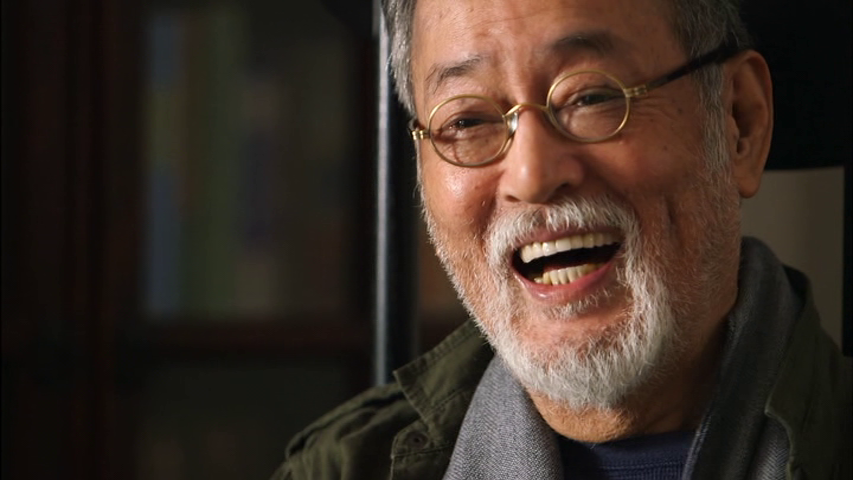
➤The documentary Tatsuya Nakadai: Living by Acting (2015) offers a rare glimpse behind the scenes(©TAKION JAPAN)