
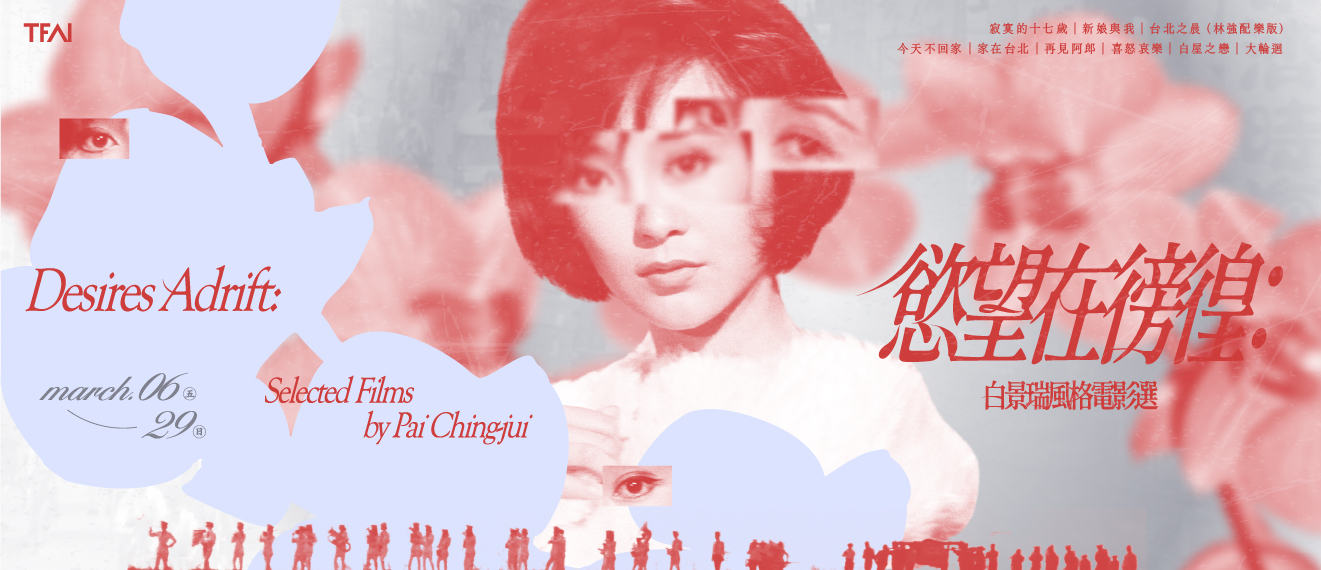
Taiwan cinema has reigned supreme at the box office this year, with a succession of domestic films accounting for a significant share of box office revenues dating back to last year. The wave of Taiwanese films surpassing the NT$100 million mark continues to gain momentum, prompting renewed exploration and reflection on our own culture. In response, the Taiwan Film and Audiovisual Institute (TFAI) is launching a Taiwanese Film Masters month this March. Through the retrospective “Desires Adrift: Selected Films by Pai Ching-jui” and the special program “Salute to the Pioneers of Taiwanese-Language Cinema (Taiyupian): Ho Chi-ming and Huaxing Movie Studio,” TFAI presents carefully selected early representative works by these “founding fathers of Taiwan cinema.” In these films, familiar landscapes and linguistic cultures become integral parts of the narrative, offering a glimpse into the evolution of Taiwan’s film production over the years.
The once-immensely popular Chiung Yao-style romantic melodramas were originally influenced by the works of director PAI Ching-jui. TFAI’s March program “Desires Adrift: Selected Films by Pai Ching-jui” takes “desire” as its thematic focus, tracing the filmmaker’s creative trajectory through a curated selection of films. As the first director in Taiwan film history to study in Italy, PAI brought a powerful visual style and a realist narrative approach that infused Taiwanese cinema of the 1960s with unprecedented vitality. The striking avant-garde documentary-style images of PAI’s first film after returning from Italy, A Morning in Taipei (1964), not only preserve the urban spirit of Taipei at the time but also foreshadow his continuing pursuit of capturing the realities of human nature through the lens.
In his first independently directed feature, Lonely Seventeen (1967), PAI boldly explores a romantic triangle involving a teenage girl. Pressures of the exam-oriented education system, the confusion of first love, and the unspoken generational gap with her parents ultimately push the protagonist Tan-mei toward a tragic and frenzied ending. Meanwhile, the light and realist comedy The Bride and I (1969) tackles gender relations head-on through the subject of marriage. Upon its release, the film set a new box-office record in just four days, and its witty character interactions remain thought-provoking even today.
Morality teeters on the edge while desire lingers in uncertainty. Accidental Trio (1969) centers on three middle-class families living on different floors of a Taipei apartment block, with a newlywed couple, a three-generation household, and a high school girl each harboring impulses toward infidelity. Observing the suffocating frustrations of these characters also prompts audiences to reflect on their own inner longings. Other unmissable classics in “Desires Adrift: Selected Films by Pai Ching-jui” include Good Bye! Darling (1970), adapted from CHEN Yingzhen’s short story The General’s Family; the anthology film Four Moods (1970), a collaboration between four renowned directors; Home, Sweet Home (1970), about an overseas Taiwanese pondering whether to begin a second life abroad; Love in a Cabin (1972), in which a romance unfolds after a chance meeting at a movie theater; and The Wheel of Life (1983), an ingenious transformation of traditional Chinese opera into cinematic language, co-directed by King HU, LI Hsing, and PAI Ching-jui. In particular, the new digitally restored versions of PAI Ching-jui’s three representative works—Lonely Seventeen, Accidental Trio, and Good Bye! Darling—will be screened in Taipei for the very first time. For session times and ticket information for “Desires Adrift: Selected Films by Pai Ching-jui,” please visit: https://tfaitw.pse.is/8samn2
The special program “Salute to the Pioneers of Taiwanese-Language Cinema (Taiyupian): Ho Chi-ming and Huaxing Movie Studio” marks the opening of TFAI’s year-long theme celebrating the 70th anniversary of Taiwanese-language cinema. Director HO Chi-ming’s Xue Pinggui and Wang Baochuan (1956), produced in collaboration with the Taiwanese opera Gongle Troupe of Mailiao, is widely regarded as the starting point of Taiyupian history. Its success sparked a surge in Taiyupian production and led to the founding of Huaxing Movie Studio, Taiwan’s first privately owned film studio. This special program presents three films: the comedy The Cowardly Hero (1958), which introduced widescreen technology to Taiwanese cinema; Misty Night in Hong Kong (1967), demonstrating HO Chi-ming’s cross-border collaboration with Japanese filmmakers; and the documentary The Lost Kingdom (1967), which looks back at the Gongle Troupe’s journey between traditional opera and the film industry.
In addition to film screenings, TFAI has arranged a special lecture-performance titled “Re-drawing the Soundscape: Tracing the Lost Taiyu Soundtrack of Xue Pinggui and Wang Baochuan.” As the original Taiwanese-language (Taiyu) soundtrack of Xue Pinggui and Wang Baochuan remains lost, TFAI has drawn upon surviving sources—including the screenplay, recordings from the Gongle Troupe, and musical scores preserved in promotional materials—and invited scholars and artists to reimagine and “revive” the film’s lost soundscape in a live performance. Audiences are welcome to come and witness this historical moment that transcends time and space. For ticket information on “Salute to the Pioneers of Taiwanese-Language Cinema (Taiyupian): Ho Chi-ming and Huaxing Movie Studio,” please visit: https://tfaitw.pse.is/8samzz
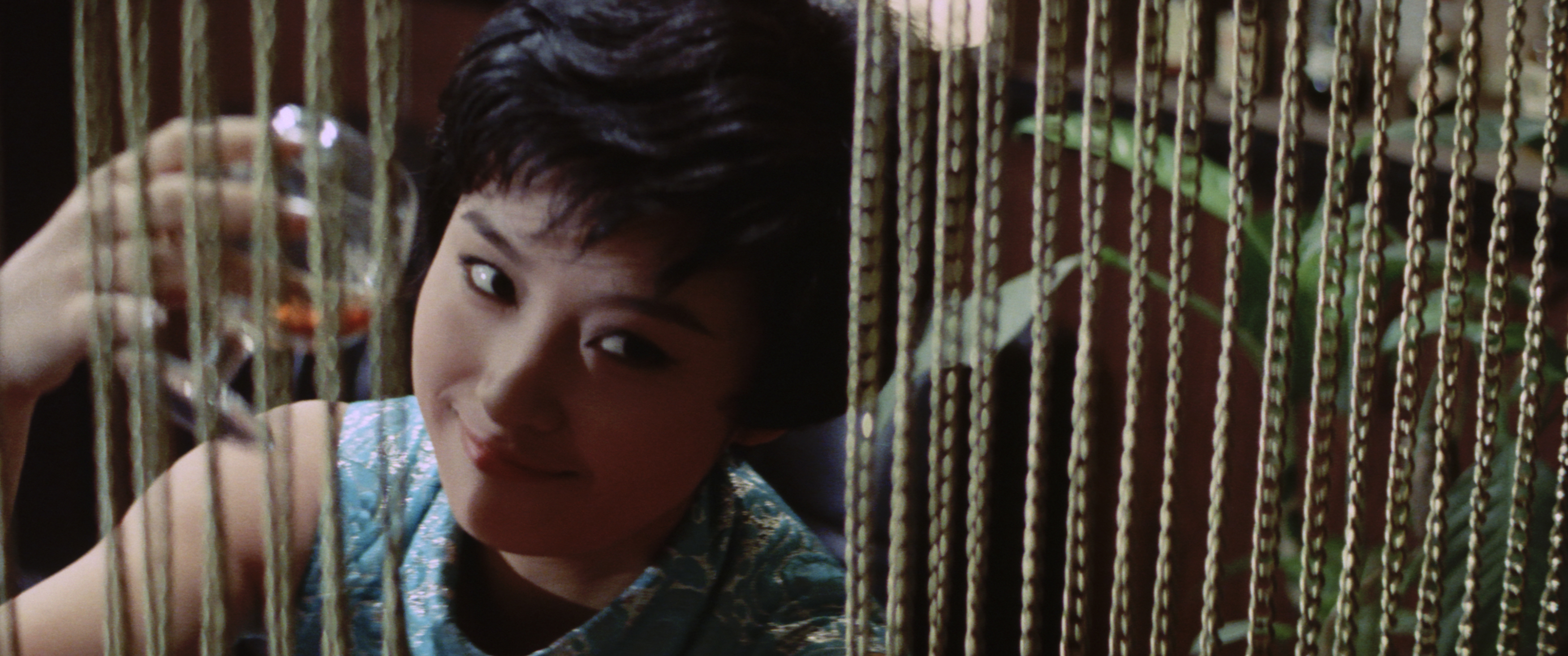
➤ Accidental Trio (1969) centers on the suppressed desires of residents in a Taipei apartment complex. (Courtesy of TFAI)
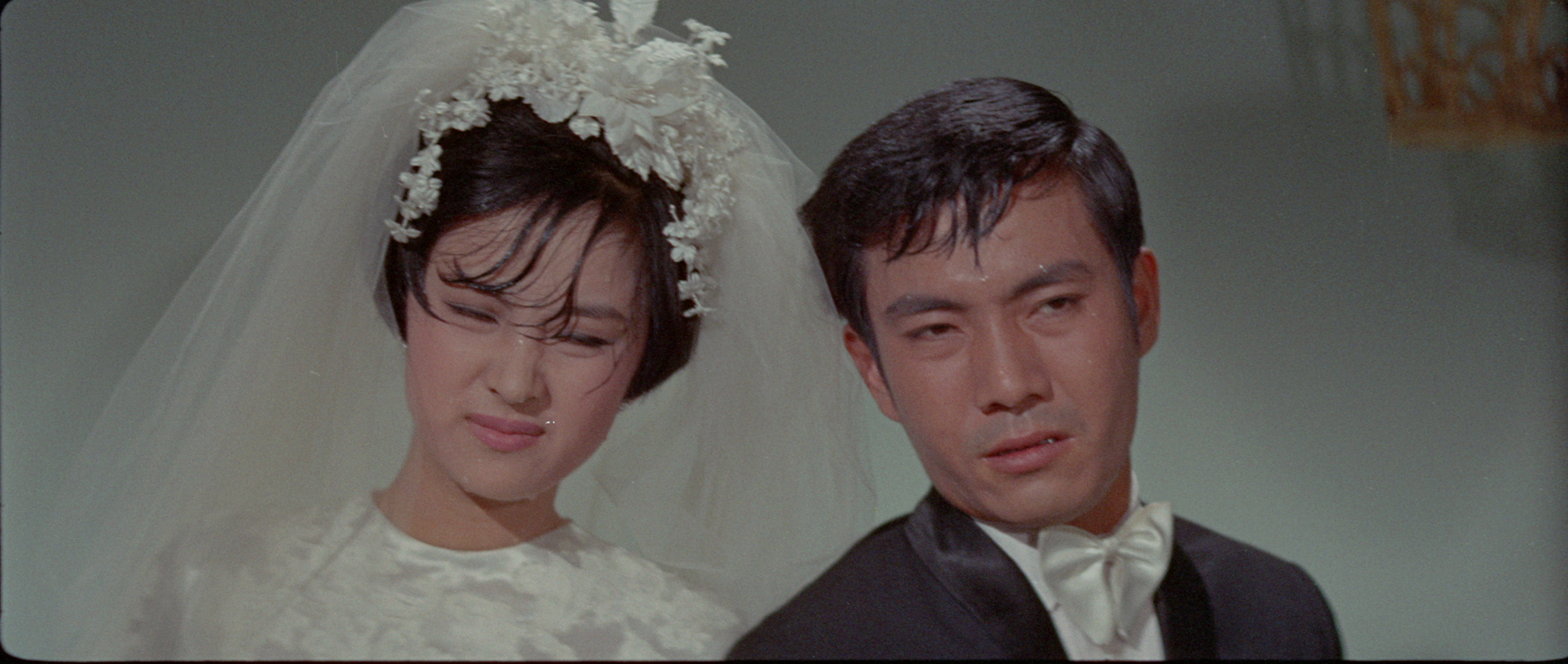
➤ The lighthearted realist comedy The Bride and I (1969) explores gender relations through the lens of marriage. (Courtesy of TFAI)
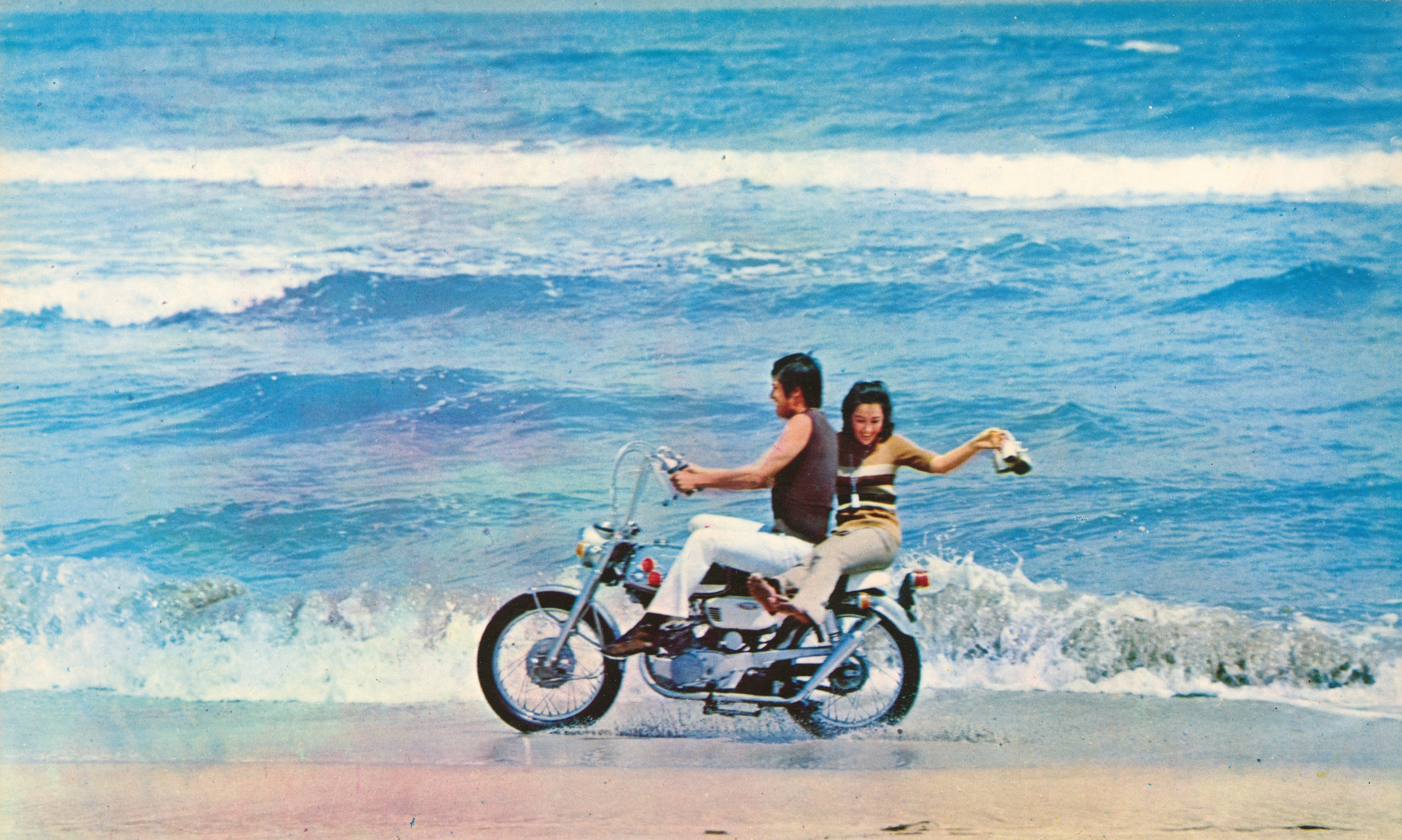
➤ Love in a Cabin (1972) is a romance born from a chance meeting at a movie theater. (Courtesy of TFAI)
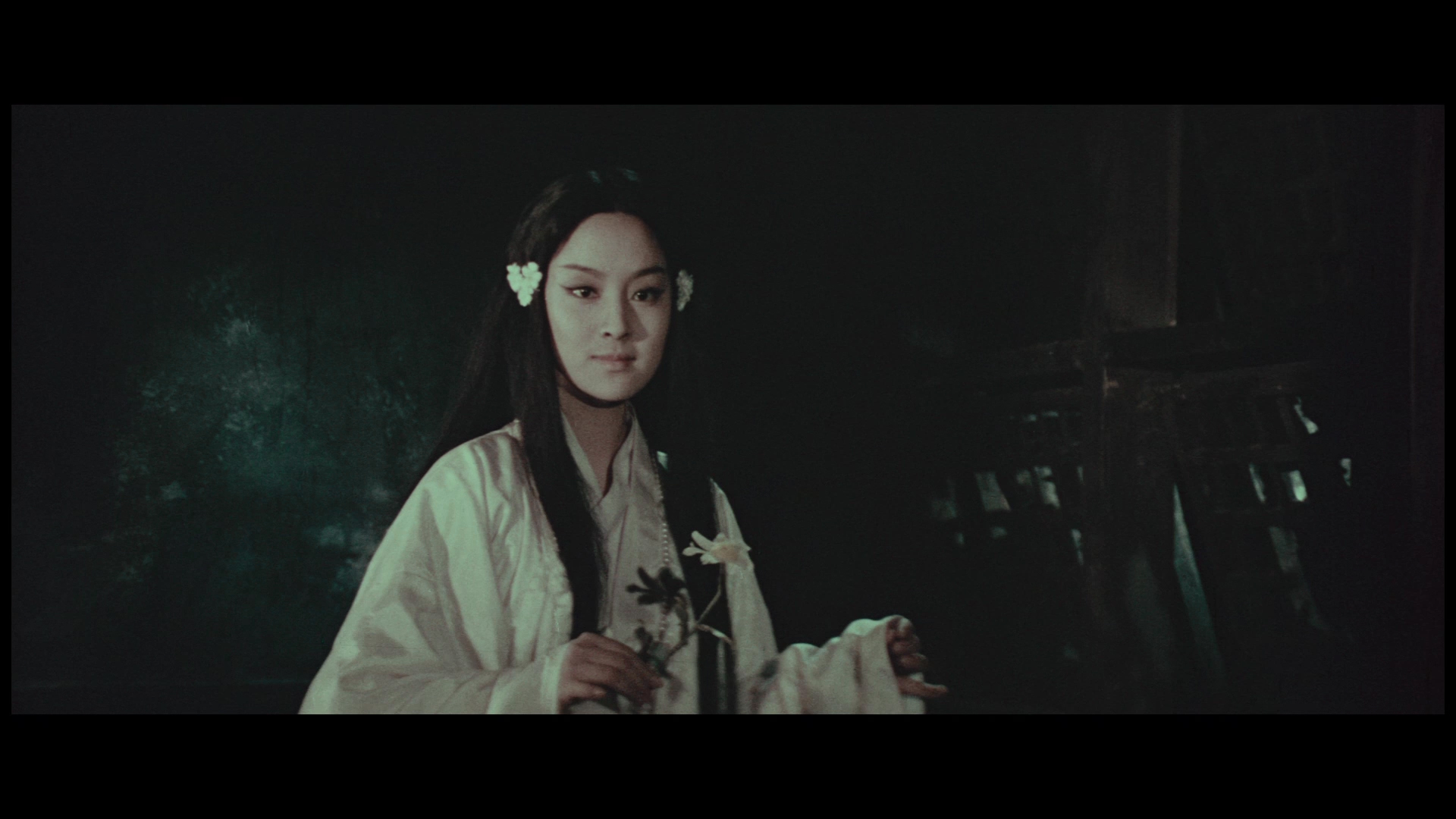
➤ The Wheel of Life (1983) ingeniously transforms traditional Chinese opera into cinematic language. (Courtesy of TFAI)
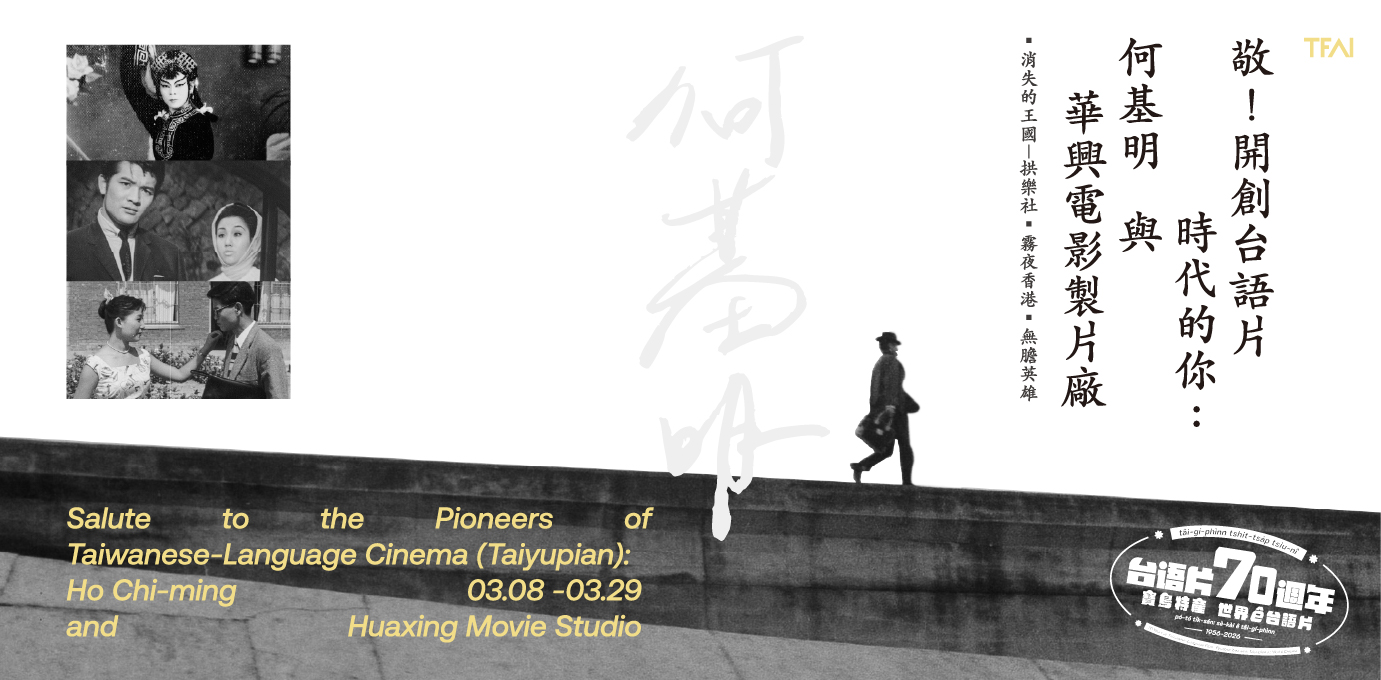
➤TFAI’s March special program “Salute to the Pioneers of Taiwanese-Language Cinema (Taiyupian): Ho Chi-ming and Huaxing Movie Studio.” (Courtesy of TFAI)
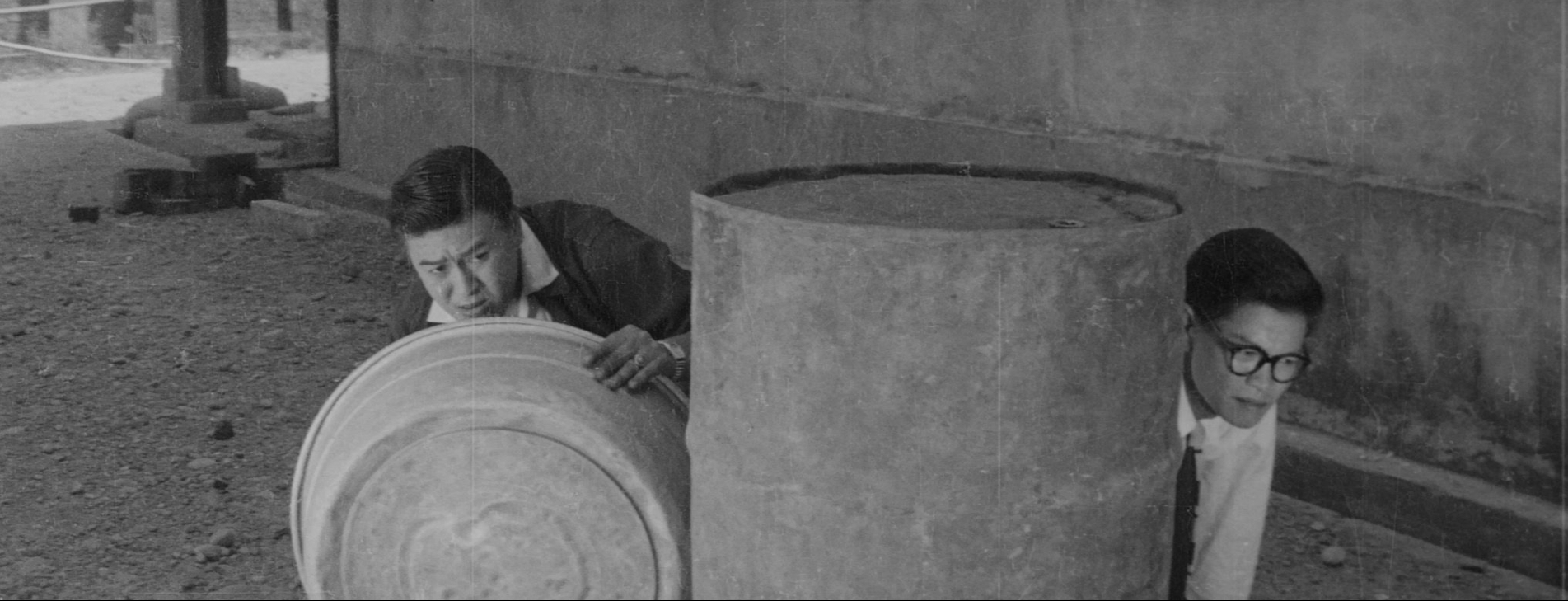
➤ The comedy film The Cowardly Hero (1958) pioneered the use of widescreen. (Courtesy of TFAI)
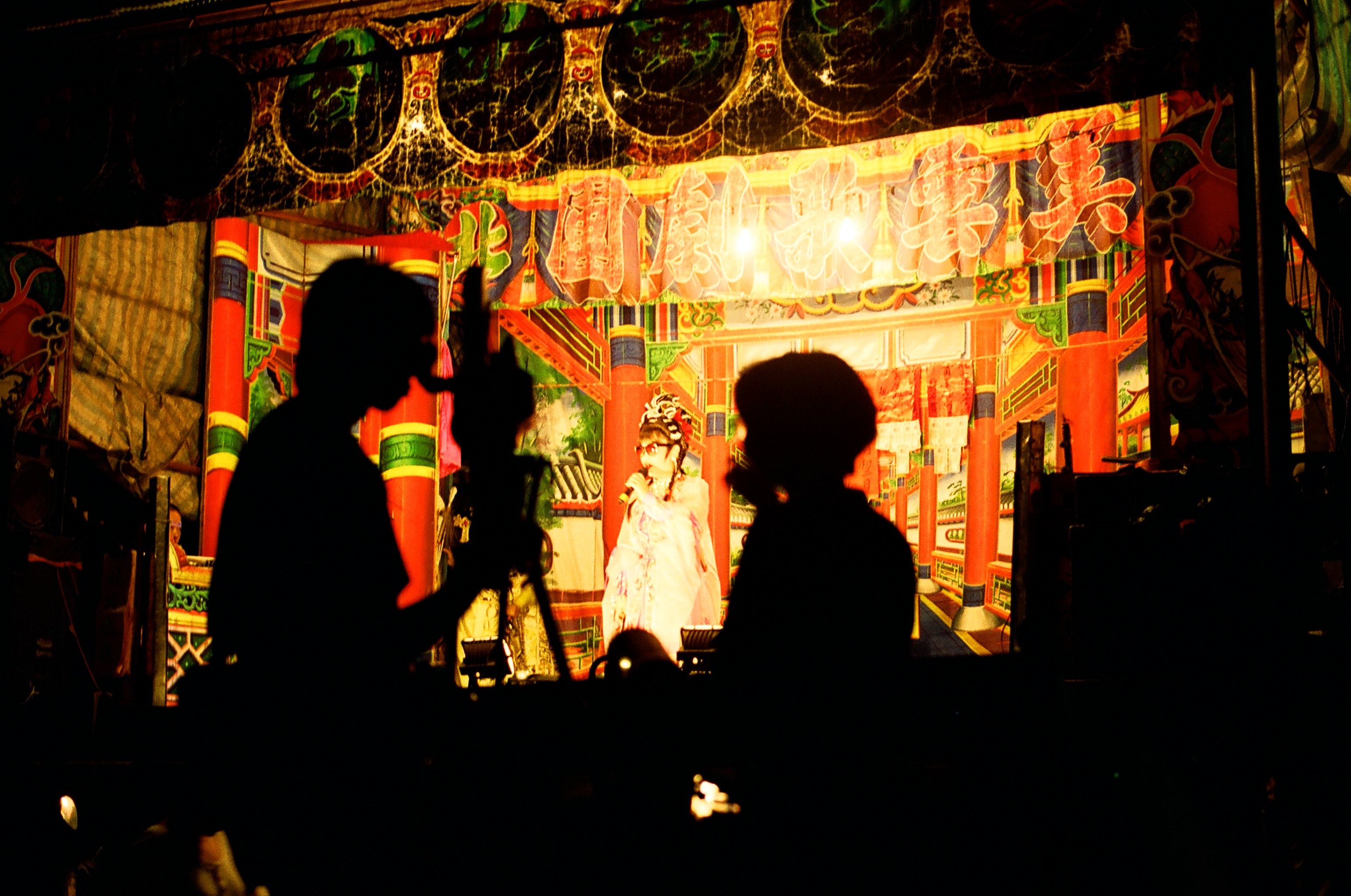
➤ The documentary The Lost Kingdom (1967) looks back at the Gongle Troupe’s journey between traditional opera and the film industry. (Courtesy of TFAI)